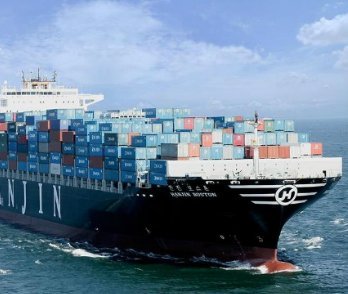
China Trans Link provides professional and reliable shipping solutions from China to Mauritius. We manage the complete logistics chain—from cargo pickup at your supplier in China, export documentation, and customs clearance, to delivery at your warehouse, office, or project site in Mauritius. Whether transporting consumer goods, electronics, industrial equipment, or textiles, we ensure secure, efficient, and cost-effective transportation tailored to your business needs.
China Trans Link offers dependable sea freight services for shipments to Mauritius. Major shipments are routed via the Port Louis harbor, ensuring smooth port operations, secure cargo handling, and timely inland delivery. Both Full Container Load (FCL) and Less-than-Container Load (LCL) options are available to meet various shipment sizes and business requirements.
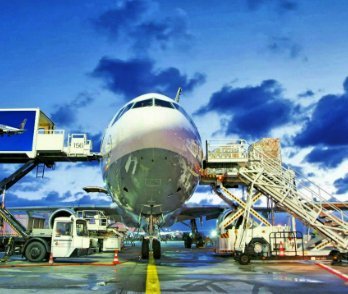
For urgent or high-value shipments, China Trans Link provides fast and reliable air freight solutions. By partnering with leading airlines and regional hubs, we ensure seamless transit, precise documentation, and hassle-free customs clearance. Air freight is ideal for perishable goods, electronics, medical supplies, and other time-sensitive cargo.

China Trans Link specializes in full-service door-to-door shipping. From factory pickup in China to delivery at your warehouse, office, or project site in Mauritius, we handle every step—including customs clearance, inland transport, and last-mile delivery—ensuring a smooth, transparent, and stress-free shipping experience.
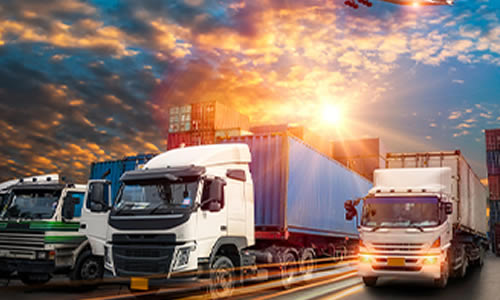
Our Full Container Load (FCL) service is ideal for large-volume shipments. China Trans Link manages container allocation, professional loading, customs documentation, and inland delivery. FCL shipments enjoy dedicated container space, optimized transit schedules, and maximum cargo security for deliveries to Mauritius.
For smaller shipments, China Trans Link provides flexible Less-than-Container Load (LCL) services. Multiple shipments are consolidated into shared containers, reducing costs while maintaining timely and reliable delivery. Each LCL shipment is carefully handled, fully documented, and dispatched on schedule.
We provide fuel-efficient pickup and delivery services across China and North America, ensuring smooth cargo movement at both origin and destination. Our coordinated inland transportation reduces delays, controls costs, and supports flexible shipping schedules tailored to your logistics requirements.
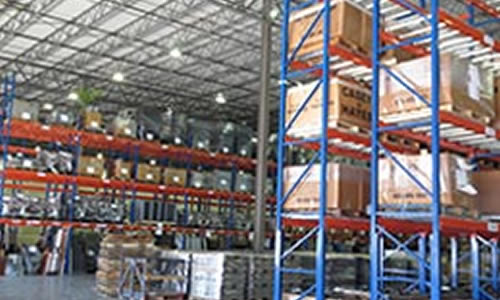
China Trans Link offers secure and flexible warehousing services to support North America–bound shipments. Our facilities enable short-term and long-term storage, cargo consolidation, and shipment preparation, helping clients optimize inventory management and shipping timelines.
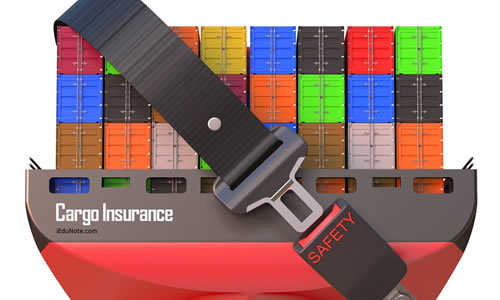
To safeguard your shipments, we offer comprehensive cargo insurance coverage for goods shipped from China to North America. Insurance protection extends throughout the entire transportation journey, reducing risk and providing peace of mind for high-value and sensitive cargo.

Our professional customs clearance services ensure compliant and efficient processing for shipments to North America. With in-depth knowledge of customs regulations and documentation requirements, we minimize clearance delays and help cargo move smoothly through border controls.
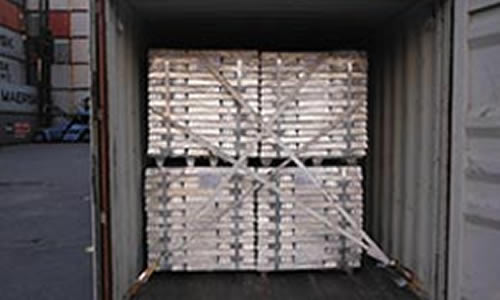
We provide loading inspection and supervision services at suppliers’ factories to ensure proper packaging, accurate quantities, and secure loading. This proactive approach helps reduce transit risks and protects cargo integrity from the very beginning of the shipment.

China Trans Link is your trusted logistics partner for shipments from China to Mauritius, offering:
With China Trans Link, your shipments from China to Mauritius are handled efficiently, securely, and reliably, providing peace of mind and dependable service for every delivery.
Yes, the shipping duration varies based on the mode of transportation. Air freight typically takes 5-10 days, whereas sea freight can take 20-40 days. Express courier services might be faster but more expensive. Customs clearance time also impacts the overall duration. The service level of different shipping companies varies, so it's advisable to contact and inquire with shipping companies for accurate time estimates.
Seasons and holidays significantly affect shipping time. During major holidays like Chinese New Year and National Day, many companies halt operations, causing shipping delays. Similarly, public holidays in Mauritius can affect customs and delivery services. Severe weather conditions such as typhoons or heavy rains can also lead to delays. Planning ahead and avoiding peak times can help minimize delays.
Shipping costs depend on factors such as weight, volume, shipping method, and specific shipping companies. Air freight is generally more expensive but faster, with small packages costing between $50 and $150. Sea freight for larger shipments might cost between $100 and $300 per cubic meter. Additional costs like insurance, duties, and customs fees should also be considered. It's advisable to get quotes from multiple shipping companies for the best rates.
Shipping to Mauritius typically requires the following documents: commercial invoice, packing list, certificate of origin, bill of lading (for sea freight) or airway bill (for air freight), and insurance certificate. Specific requirements may vary depending on the type and value of the goods. Some special items may require additional permits or certifications. It's essential to understand Mauritius' import regulations beforehand.
Customs clearance can significantly impact overall shipping time. Delays often occur due to incomplete documentation, incorrect declarations, or additional inspections. It's crucial to ensure all paperwork is accurate and complete. Working with experienced customs brokers or agents can help expedite the process. Familiarity with Mauritius’ customs regulations and procedures can prevent unnecessary delays.
Several reputable shipping companies specialize in routes between China and Mauritius. Companies like DHL, FedEx, and UPS offer reliable express services. For sea freight, Maersk, MSC, and COSCO are well-regarded. Each company offers different levels of service, so it’s wise to compare rates, transit times, and customer reviews. Choosing a company with experience in this route can ensure smoother logistics and fewer delays.
Common challenges include customs delays, unpredictable weather, holiday shutdowns, and logistical issues. Language barriers and differences in regulations can also pose difficulties. Ensuring clear communication with suppliers, shipping agents, and customs brokers can mitigate these challenges. Planning for potential delays by allowing extra time and having contingency plans can also help manage these issues effectively.
The size and weight of a shipment significantly impact shipping costs and transit times. Larger and heavier shipments are generally more expensive and may take longer to handle. They may also require special handling or equipment. Accurate measurements and weights are crucial for obtaining precise quotes and avoiding additional fees. Shipping companies can provide guidelines on packaging and labeling to ensure compliance.
Various insurance options are available to protect shipments from loss or damage. Basic carrier liability covers a minimal amount per kilogram, which may not fully cover the shipment's value. Comprehensive cargo insurance offers broader protection and can be tailored to the shipment's value and risks. It's essential to review the terms and conditions of the insurance policy and ensure it covers all potential risks.
Tracking technology enhances the shipping experience by providing real-time updates on the shipment’s status and location. Many shipping companies offer online tracking tools that allow shippers and recipients to monitor the progress of their shipments. Advanced tracking systems can provide detailed information, such as estimated delivery times and any delays encountered. This transparency helps in managing expectations and planning for the arrival of goods.
Vehicle operations involve the methods of running vehicles, the procedures in place for this purpose, and the related policies. In the transport industry, the management of operations and ownership of infrastructure can vary by country.
Operations encompass how vehicles are managed, the procedures established to guide them, and the related policies. In the transportation sector, both the management of operations and the ownership of infrastructure may vary depending on the country.
Operations cover how vehicles are run, the procedures established to support them, and relevant policies. In transportation, the way operations are handled and who owns the infrastructure varies from country to country.