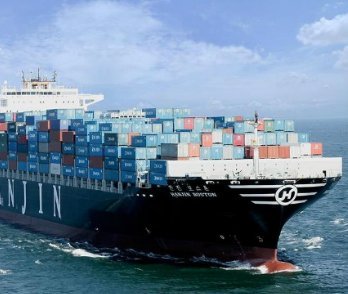
China Trans Link provides reliable and professionally managed shipping services from China to Martinique, supporting a wide range of commercial and general cargo. With experienced logistics coordination and stable international transport resources, we help ensure smooth cargo movement and consistent delivery performance to Martinique.
Our logistics team focuses on efficient route planning, cost control, and shipment reliability to support smooth international shipping operations.
Sea freight is a cost-effective and dependable solution for shipping cargo from China to Martinique. China Trans Link offers flexible ocean freight services designed to accommodate different cargo types, shipment volumes, and delivery schedules. By cooperating with major ocean carriers and regional transshipment hubs, we ensure secure cargo handling, stable sailing schedules, and efficient port operations for shipments bound for Martinique.
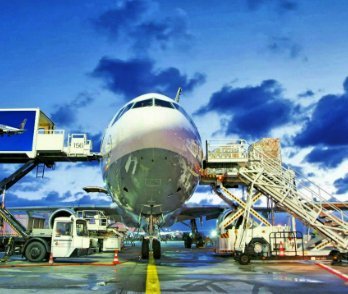
For urgent or high-value shipments, China Trans Link provides efficient air freight services from China to Martinique. With access to trusted airline partners and optimized routing options, we help reduce transit time while maintaining strict cargo handling standards. Air freight is ideal for time-sensitive commercial goods, samples, electronics, and priority shipments requiring fast and reliable delivery.

China Trans Link offers comprehensive door-to-door shipping solutions from China to Martinique, managing the entire logistics process from origin coordination to final delivery. This integrated service simplifies logistics management, reduces operational complexity, and ensures a smooth and dependable shipping experience for businesses of all sizes.

Our FCL (Full Container Load) shipping services from China to Martinique include 20FT, 40FT, and high-cube container options. This solution is ideal for customers shipping larger cargo volumes that require dedicated container space.
Through professional container planning, secure loading arrangements, and consistent shipment monitoring, we ensure safe, efficient, and timely delivery of full-container cargo.
China Trans Link provides cost-effective LCL (Less than Container Load) shipping services from China to Martinique for smaller shipment volumes. By efficiently consolidating cargo and managing shipments with precision, we help reduce freight costs while maintaining reliable delivery performance.
LCL shipping is suitable for small and medium-sized businesses seeking flexible and economical transportation solutions.
We provide fuel-efficient pickup and delivery services across China and North America, ensuring smooth cargo movement at both origin and destination. Our coordinated inland transportation reduces delays, controls costs, and supports flexible shipping schedules tailored to your logistics requirements.
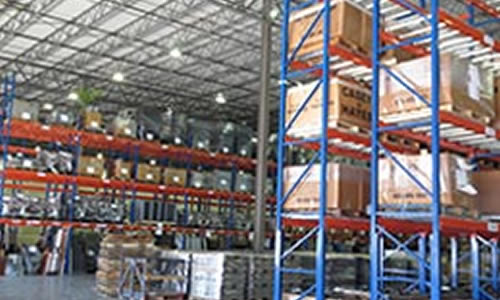
China Trans Link offers secure and flexible warehousing services to support North America–bound shipments. Our facilities enable short-term and long-term storage, cargo consolidation, and shipment preparation, helping clients optimize inventory management and shipping timelines.
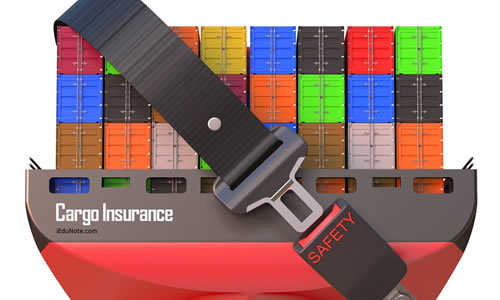
To safeguard your shipments, we offer comprehensive cargo insurance coverage for goods shipped from China to North America. Insurance protection extends throughout the entire transportation journey, reducing risk and providing peace of mind for high-value and sensitive cargo.

Our professional customs clearance services ensure compliant and efficient processing for shipments to North America. With in-depth knowledge of customs regulations and documentation requirements, we minimize clearance delays and help cargo move smoothly through border controls.
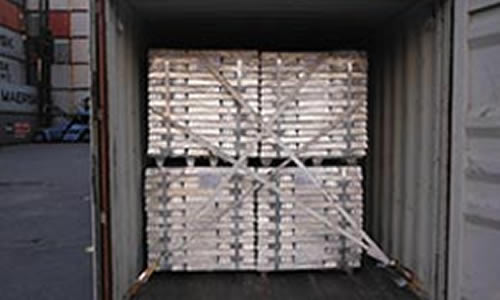
We provide loading inspection and supervision services at suppliers’ factories to ensure proper packaging, accurate quantities, and secure loading. This proactive approach helps reduce transit risks and protects cargo integrity from the very beginning of the shipment.
China Trans Link is your trusted freight forwarder for shipping from China to Martinique. With integrated logistics solutions, competitive pricing, and a strong commitment to service quality, we deliver efficient and reliable shipping services tailored to your business needs.
Whether you choose sea freight, air freight, or door-to-door shipping, we are dedicated to supporting your shipments with professionalism, consistency, and long-term value.
The shipping time from China to Martinique can vary depending on factors such as the shipping method chosen, the carrier used, customs clearance processes, and any potential delays like weather conditions or peak shipping seasons.
As with any international shipping, it's recommended to check with the specific carrier or shipping service you're using for the most accurate and up-to-date information on shipping times. However, as a rough estimate:
These are general estimates, and actual shipping times may vary. It's advisable to confirm the shipping duration with the chosen carrier or shipping service for the most precise information. Additionally, customs clearance processes can also affect the overall shipping time.
The cost of shipping from China to Martinique can vary depending on several factors, including:
To get an accurate cost estimate, you would need to contact shipping companies or freight forwarders and provide details about your shipment. They can then provide you with a quote based on your specific requirements. It's recommended to compare prices from multiple providers to ensure you're getting the best deal.
Shipping from China to Martinique involves several steps and considerations. Here's a general guide to help you navigate the process:
Choose a Shipping Method: There are several options available for shipping goods from China to Martinique. These include air freight, sea freight (container shipping or less than container load), and courier services (like DHL, FedEx, UPS, etc.). The choice of method will depend on factors such as cost, transit time, and the nature of your goods.
Find a Freight Forwarder or Shipping Company: You can either work directly with a shipping company or engage a freight forwarder who can handle the logistics of your shipment. They will assist you in choosing the most suitable shipping method, arranging transportation, handling customs clearance, and managing other documentation.
Prepare Your Shipment: Ensure that your goods are properly packaged and labeled according to the shipping requirements. This includes providing accurate descriptions, quantities, and values of the items being shipped. Proper packaging is essential to protect your goods during transit.
Documentation: Prepare all necessary documentation for your shipment, including commercial invoices, packing lists, bills of lading, and any other required paperwork. Your freight forwarder or shipping company can help you with this process and ensure that all documents are in order to facilitate smooth customs clearance.
Customs Clearance: Be aware of the customs regulations and import duties applicable to your goods in Martinique. Your freight forwarder or shipping company should be able to provide guidance on customs procedures and help you navigate any potential challenges.
Track Your Shipment: Once your shipment is on its way, make sure to track its progress using the tracking information provided by your shipping company or freight forwarder. This will allow you to monitor its transit and anticipate any delays or issues that may arise.
Delivery and Receipt: Upon arrival in Martinique, your goods will go through customs clearance before being delivered to their final destination. Make sure to coordinate with your recipient to ensure smooth delivery and receipt of the goods.
Follow Up: After your shipment has been delivered, follow up with your recipient to confirm receipt and address any concerns or issues that may have arisen during the shipping process.
By following these steps and working with experienced shipping partners, you can successfully ship goods from China to Martinique.
Arranging air freight from China to Martinique involves several steps. Here's a guide to help you through the process:
Find a Freight Forwarder: Look for freight forwarding companies that specialize in international shipping, particularly air freight, from China to Martinique. You can search online, ask for recommendations from business contacts, or use freight forwarding directories.
Request Quotes: Contact several freight forwarders to request quotes for your air freight shipment. Provide them with details such as the origin (city in China), destination (Martinique), dimensions, weight, and nature of the goods you want to ship.
Choose a Carrier: Compare the quotes and services offered by different freight forwarders and carriers. Consider factors such as transit time, cost, reliability, track record, and any specific requirements you may have for your shipment.
Provide Documentation: Prepare the necessary documentation for your shipment, including commercial invoices, packing lists, air waybills, and any other required paperwork. Your freight forwarder will advise you on the specific documentation needed for shipments to Martinique.
Book the Shipment: Once you've chosen a carrier and finalized the details with your freight forwarder, book your air freight shipment. Confirm the pickup and delivery arrangements, as well as any special handling instructions for your cargo.
Track the Shipment: Use the tracking number provided by the carrier to monitor the progress of your air freight shipment online. Stay informed about any updates or delays in transit.
Clear Customs: Your freight forwarder will assist with customs clearance procedures in both China and Martinique. Provide any necessary documentation and information to facilitate smooth customs clearance.
Receive the Shipment: Upon arrival in Martinique, arrange for the collection or delivery of your air freight shipment to its final destination. Inspect the goods to ensure they arrived in good condition.
Settle Payment: Pay any applicable freight charges, customs duties, taxes, and fees associated with your air freight shipment. Your freight forwarder will provide you with an invoice detailing the costs incurred.
Provide Feedback: After the shipment has been delivered, provide feedback to your freight forwarder about your experience. This will help them improve their services and assist other customers in the future.
By working closely with your freight forwarder and following these steps, you can arrange air freight from China to Martinique efficiently and effectively.
Calculating shipping costs from China to Martinique involves several factors, similar to calculating shipping costs to other destinations. Here's how you can go about it:
Package Details: Determine the size, weight, and dimensions of the package you wish to ship. This information will be necessary for obtaining accurate shipping quotes.
Shipping Method: Decide on the most suitable shipping method based on factors such as speed, cost, and the nature of your shipment. Common options include:
Obtain Quotes: Contact shipping companies, freight forwarders, or use online calculators provided by carriers to obtain quotes. You'll need to provide details about your shipment, including origin, destination, size, weight, and desired shipping method.
Consider Additional Costs: Take into account any additional costs such as customs duties, taxes, insurance, and handling fees. These can vary depending on the value and type of goods being shipped.
Compare Rates: Once you have obtained quotes from multiple carriers or freight forwarders, compare them to find the most suitable option for your needs in terms of cost, speed, and services offered.
Finalize and Arrange Shipment: Once you've chosen a shipping option, finalize the details and arrange for the shipment to be picked up or dropped off at the designated location.
When shipping to Martinique, it's important to be aware of any specific customs regulations or requirements that may apply. Working with a reliable shipping company or freight forwarder experienced in shipping to Martinique can help ensure a smooth shipping process and compliance with any relevant regulations.
Air shipping from China to Martinique may be preferred in various situations, including:
Urgency: Air shipping is the fastest mode of transportation, making it suitable for shipments that require expedited delivery. If your goods need to reach Martinique quickly, air freight is the best option.
Perishable Goods: Air shipping is ideal for perishable items such as fresh produce, seafood, or flowers, which require rapid transportation to maintain their freshness and quality.
High-Value Items: Air shipping offers better security and tracking compared to sea freight, making it preferable for high-value goods that require extra care during transit.
Limited Accessibility: Martinique may have limited infrastructure for handling large cargo volumes, making air shipping a more reliable and efficient option for transporting goods, especially if the destination is remote or lacks suitable port facilities.
Small Shipments: For smaller shipments, air shipping can be more cost-effective than sea freight when considering factors like inventory carrying costs and the potential for delays in customs clearance.
Seasonal Demand: Air shipping can be advantageous for meeting seasonal demand fluctuations, allowing businesses to quickly replenish stock during peak periods.
Emergency Situations: In case of emergencies such as natural disasters or supply chain disruptions, air shipping provides a swift means of delivering essential supplies and aid to Martinique.
Supply Chain Flexibility: Air shipping offers greater flexibility in supply chain management, enabling businesses to respond promptly to changes in demand or production schedules.
However, it's important to consider the cost implications of air shipping, as it's generally more expensive than sea freight. Therefore, businesses should weigh the benefits of speed and reliability against the higher costs associated with air transportation. Additionally, factors such as the size and weight of the shipment, as well as customs regulations, should also be taken into account when deciding whether to use air shipping from China to Martinique.
As an overseas department of France, Martinique is considered part of the European Union for customs purposes. Therefore, when importing goods from China to Martinique, you would be subject to EU customs regulations, including tariffs, taxes, and duties.
The amount of tax and duty you need to pay when importing goods from China to Martinique would depend on various factors such as the type of goods, their value, and any applicable trade agreements. The EU Common Customs Tariff (CCT) sets out the tariffs applicable to imports into the EU, including its overseas territories like Martinique.
To determine the specific taxes and duties for your imports, it's advisable to consult with the Customs Department or relevant authorities in Martinique. They can provide you with detailed information on the tariffs applicable to your specific goods and circumstances.
Additionally, you may consider seeking assistance from a customs broker or freight forwarder experienced in imports to Martinique. They can help you navigate the import process, understand the associated taxes and duties, and ensure compliance with customs regulations.
When deciding between Less than Container Load (LCL) or Full Container Load (FCL) shipping from China to Martinique, several factors should be considered:
Volume of Goods:
Cost Consideration:
Urgency:
Nature of Cargo:
Customs and Documentation:
Consulting with freight forwarders or shipping companies experienced in shipping to Martinique can provide tailored advice based on your specific requirements and circumstances. They can also help navigate any unique considerations associated with shipping to this particular destination.
To track your shipment from China to Martinique, you'll typically follow a process similar to tracking shipments to other destinations. Here's a step-by-step guide:
Obtain the Tracking Number: If you shipped your package through a courier service like DHL, FedEx, UPS, or through a freight forwarding company, they should provide you with a tracking number. This number is unique to your shipment and is used to track its progress.
Visit the Carrier's Website: Go to the website of the courier service or shipping company you used. Look for the tracking or shipment tracking option on their homepage. Most major carriers have a prominent tracking feature on their websites.
Enter the Tracking Number: Once you've located the tracking option, enter your tracking number into the provided field. Make sure to enter the number accurately to ensure successful tracking.
View Shipment Status: After entering the tracking number, the carrier's website should display information about your shipment's current status. This information may include the package's location, transit history, and estimated delivery date.
Track via Mobile App (Optional): Many shipping companies also offer mobile apps that allow you to track your shipments conveniently from your smartphone or tablet. You can download the app from the relevant app store and log in with your tracking number to access real-time updates on your shipment.
Contact Customer Support (If Needed): If you encounter any issues with tracking your shipment online or if you have specific questions about its status or delivery, you can contact the carrier's customer support for assistance. They should be able to provide you with additional information and help resolve any concerns you may have.
By following these steps, you should be able to track your shipment from China to Martinique and monitor its progress until it reaches its destination.
When shipping from China to Martinique, you typically need the following documents:
Commercial Invoice: This document provides details about the goods being shipped, including their description, quantity, value, and other relevant information. It's used for customs clearance and valuation purposes.
Packing List: A detailed packing list specifies the contents of each package or container being shipped. It includes information such as the item description, quantity, weight, and dimensions.
Bill of Lading (B/L): The bill of lading is a contract between the shipper and the carrier that serves as a receipt for the goods shipped and as evidence of ownership. It also contains details about the shipment's origin, destination, and terms of delivery.
Certificate of Origin: This document certifies the country of origin of the goods being shipped. It may be required for customs clearance and to determine eligibility for preferential trade agreements or tariffs.
Customs Declaration: A customs declaration form provides information about the contents of the shipment, its value, and other relevant details required by customs authorities.
Insurance Certificate: If the shipment is insured, you'll need an insurance certificate or policy document to provide proof of coverage.
Import License or Permit (if applicable): Depending on the nature of the goods being imported, you may need an import license or permit from Martinique's authorities.
Other Documentation: Depending on the nature of the goods and specific requirements, additional documentation such as certificates of compliance, inspection certificates, or permits may be necessary.
It's essential to verify the specific requirements with your freight forwarder, shipping company, or customs broker to ensure you have all the necessary documentation and comply with any regulations or requirements of both China and Martinique.
Operations encompass how vehicles are managed, the procedures established to guide them, and the related policies. In the transportation sector, both the management of operations and the ownership of infrastructure may vary depending on the country.
Managing vehicle operations includes overseeing how vehicles are run, implementing the necessary procedures, and applying relevant policies. In the transport industry, both the way operations are conducted and who owns the infrastructure can change from one country to another.
Operations cover how vehicles are run, the procedures established to support them, and relevant policies. In transportation, the way operations are handled and who owns the infrastructure varies from country to country.