
China to Australia Shipping with Tracking Italy: 2025 Logistics Guide
Navigating the complexities of global logistics requires a reliable partner and a clear understanding of the route. If you are managing China to Australia shipping with tracking italy, you need a system that offers visibility and efficiency across different hemispheres. Professional freight forwarders like China Trans Link provide the necessary expertise to ensure your cargo arrives safely and on schedule. This guide explores the best methods for transporting goods from Chinese hubs to Australian ports while maintaining high-level tracking standards comparable to European routes.
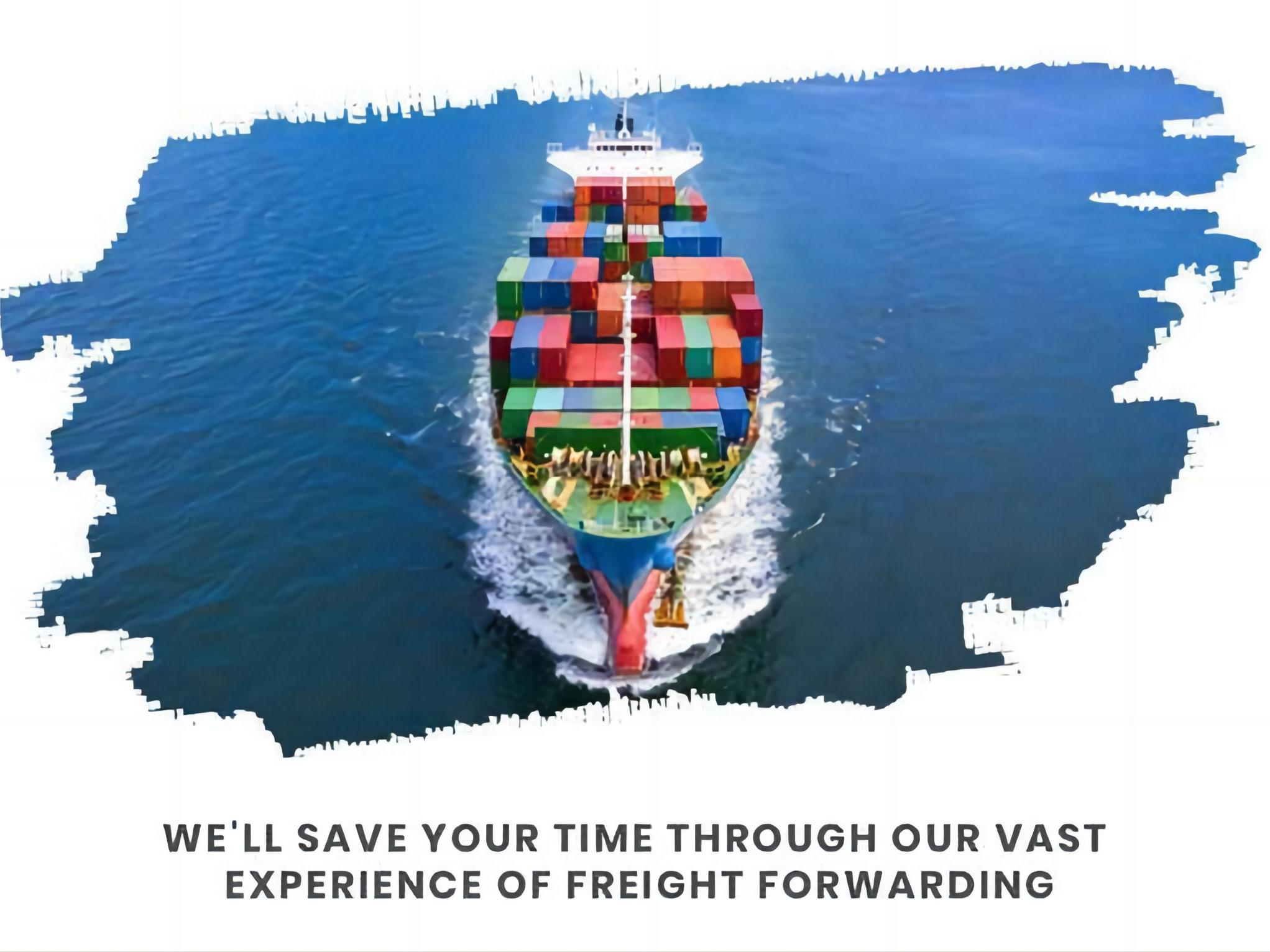
Understanding China to Australia Shipping with Tracking Italy
Shipping goods internationally involves more than just moving items from point A to point B. For businesses comparing China to Australia shipping with tracking italy, the focus remains on end-to-end visibility. Modern supply chains rely on real-time data to manage inventory and meet customer expectations. Consequently, choosing a provider that integrates robust tracking technology is essential for southern hemisphere trade lanes.
Australia maintains strict biosecurity and customs regulations that differ significantly from European standards. While tracking protocols might be similar to those used in Italy, the physical transit involves different maritime corridors. Most shipments from China to Australia pass through the South China Sea and the Indonesian archipelago. Therefore, staying informed about your cargo position helps mitigate risks associated with these busy waterways.
Comparing Shipping Methods: Sea Freight vs Air Freight
Selecting the right transportation mode depends on your budget, cargo volume, and urgency. For large shipments, sea freight offers the most cost-effective solution for Australian importers. It allows for high-capacity transport of heavy machinery, furniture, and bulk raw materials. Conversely, smaller high-value items benefit from the speed of other methods.
Air cargo provides a much faster alternative when time is the primary concern. Utilizing air freight ensures that your products reach Australian cities like Sydney or Melbourne within days rather than weeks. This method is particularly popular for electronics, fashion items, and perishable goods. Although the cost is higher, the reduced transit time often justifies the investment for competitive markets.
| Sea Freight (FCL) | $800 – $1,800 | 12 – 25 Days | Large Volumes |
| Sea Freight (LCL) | $50 – $150/CBM | 18 – 30 Days | Small Shipments |
| Air Freight | $4.50 – $9.00/kg | 3 – 7 Days | Urgent Goods |
| Express Service | $7.00 – $12.00/kg | 2 – 5 Days | E-commerce |
Why China to Australia Shipping with Tracking Italy Requires Precision
Global logistics managers often look for standardized tracking experiences across all their trade routes. When you monitor China to Australia shipping with tracking italy, you are essentially looking for a unified dashboard experience. This allows you to see cargo status regardless of whether it is heading to the Mediterranean or the South Pacific. Furthermore, consistent data reporting helps in financial planning and warehouse scheduling.
Technological advancements have made it possible to track containers with GPS-level accuracy today. Many carriers now offer automated alerts for port departures, arrivals, and customs clearance milestones. Indeed, having this level of detail is crucial when dealing with the Australian Border Force. It ensures that all documentation is ready before the vessel even docks at the terminal.
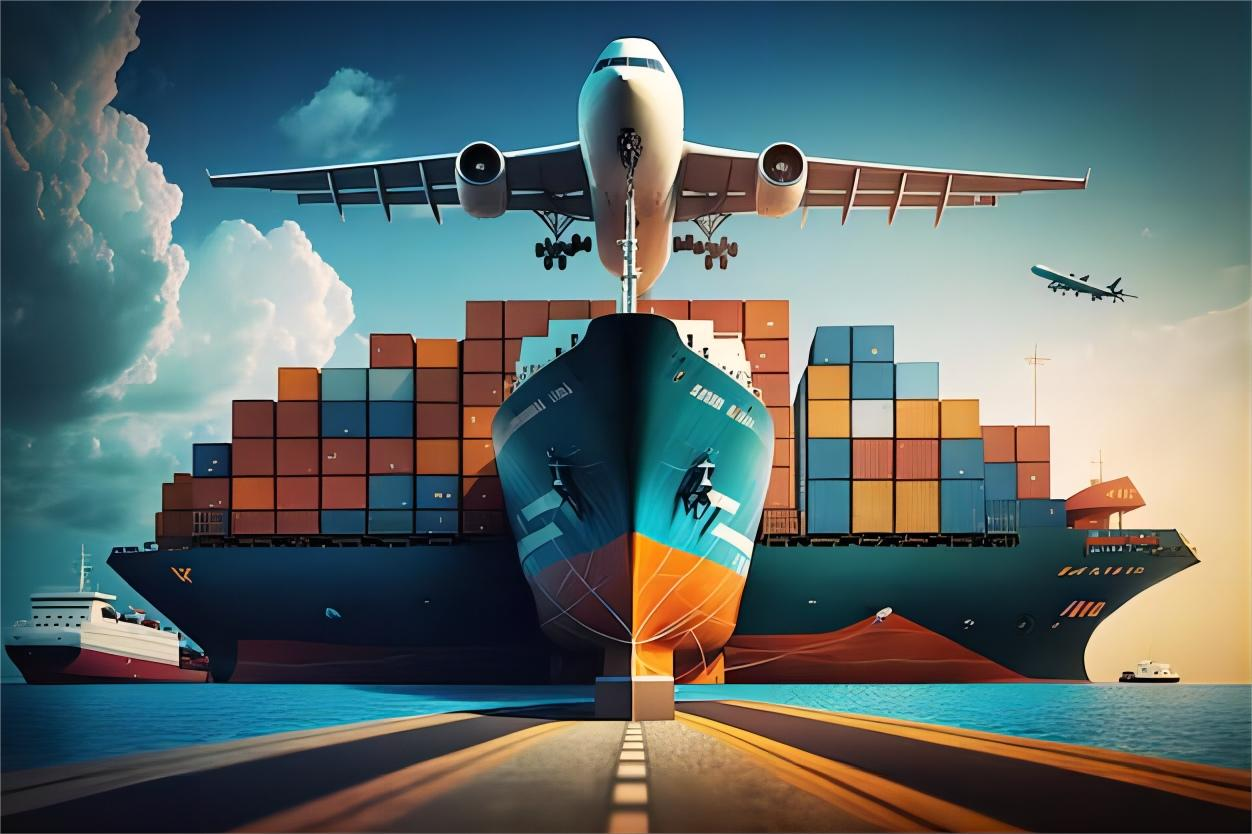
How Sea Freight Compares to Other Shipping Options
Ocean transport remains the backbone of the China-Australia trade relationship due to its massive scale. While air freight is faster, sea freight handles the vast majority of consumer goods and industrial components. In contrast to rail freight, which is viable for China-Europe routes, Australia relies entirely on maritime and air links. This geographic reality makes port efficiency a top priority for Australian importers.
Choosing between Full Container Load (FCL) and Less than Container Load (LCL) is a critical decision for every business. FCL provides a dedicated space for your goods, which reduces handling and potential damage. On the other hand, LCL allows you to share space with other shippers, making it more affordable for smaller volumes. Each option has its own tracking nuances that you must consider during the booking process.
| Direct Sea | $1,200 – $1,600 | 14 – 18 Days | Limited Ports |
| Transshipment | $850 – $1,100 | 22 – 28 Days | Higher Delay Risk |
| Sea-Air Hybrid | $2,500 – $4,000 | 10 – 14 Days | Complex Logistics |
Navigating Customs and Documentation Requirements
Successful importation into Australia requires meticulous attention to paperwork and local laws. You should work with a professional customs brokerage to avoid expensive delays at the border. Australian authorities require specific documents, including the Bill of Lading, Commercial Invoice, and Packing List. Additionally, certain goods may need treatment certificates to comply with biosecurity standards.
Import duties and the Goods and Services Tax (GST) are significant factors in the total landed cost. Most goods imported into Australia are subject to a 10 percent GST based on the value of the taxable importation. However, certain trade agreements between China and Australia can provide duty concessions for eligible products. Proper classification of your goods using the correct HS codes is vital for accurate tax assessment.
The Benefits of Door to Door Logistics Solutions
Managing multiple vendors for pickup, shipping, and local delivery can be overwhelming for many businesses. Selecting a door to door service simplifies the entire process by providing a single point of contact. This comprehensive approach covers everything from the factory floor in China to the final warehouse in Australia. Consequently, it reduces the risk of communication gaps and logistical bottlenecks.
Streamlined logistics solutions often include inland trucking, ocean transport, and final mile delivery. This integrated model is particularly effective for businesses that lack an in-house logistics department. Moreover, it provides a more predictable cost structure as most fees are bundled into a single quote. This transparency is essential for maintaining healthy profit margins in the competitive Australian retail market.
Real Costs of China to Australia Shipping with Tracking Italy
Case Study 1: Electronics from Shenzhen to Sydney
Route: Shenzhen, China to Sydney, Australia
Cargo: Consumer Electronics, 5 CBM, 1200 kg
Container: LCL 5 CBM
Shipping Details:
– Carrier: Major carrier via direct route
– Port of Loading: Shenzhen
– Port of Discharge: Sydney
– Route Type: Direct
Cost Breakdown:
– Ocean Freight: $650
– Origin Charges: $200
– Destination Charges: $350
– Customs and Duties: $1,200
– Total Landed Cost: $2,400
Timeline:
– Booking to Loading: 3 days
– Sea Transit: 15 days
– Customs Clearance: 2 days
– Total Door-to-Door: 20 days
Key Insight: Using a direct route minimized handling risks for sensitive electronics.
Case Study 2: Furniture from Ningbo to Melbourne
Route: Ningbo, China to Melbourne, Australia
Cargo: Home Furniture, 28 CBM, 4500 kg
Container: 20GP Full Container
Shipping Details:
– Carrier: COSCO Shipping
– Port of Loading: Ningbo
– Port of Discharge: Melbourne
– Route Type: Direct
Cost Breakdown:
– Ocean Freight: $1,100
– Origin Charges: $250
– Destination Charges: $400
– Customs and Duties: $2,100
– Total Landed Cost: $3,850
Timeline:
– Booking to Loading: 5 days
– Sea Transit: 18 days
– Customs Clearance: 3 days
– Total Door-to-Door: 26 days
Key Insight: FCL was more economical than LCL for this volume, reducing the cost per unit.
Which Option Should You Choose? Decision Framework
Deciding on the best shipping strategy requires evaluating your specific business needs and priorities. If your primary goal is cost reduction, sea freight via transshipment remains the most attractive option. However, if speed is the priority for a product launch, air freight is the only viable choice. You must also consider the nature of your cargo, as some items require specialized handling or climate control.
Volume thresholds often dictate when to switch from LCL to FCL shipping. Generally, if your shipment exceeds 15 cubic meters, a full 20GP container becomes more cost-effective. For those interested in shipping from China to Australia, understanding these tipping points is key to optimization. Always consult with your freight forwarder to analyze the current rate environment before making a final decision.
Final Thoughts on China to Australia Logistics
Mastering China to Australia shipping with tracking italy involves a combination of the right shipping method and advanced tracking technology. Whether you choose sea freight for its economy or air freight for its speed, visibility remains paramount. By understanding customs requirements and choosing the right container type, you can significantly improve your import efficiency.
Reliable partners like China Trans Link help bridge the gap between complex logistics and your business goals. As global trade continues to evolve, staying informed about market trends and shipping costs will keep you ahead of the competition. Note: Freight rates are subject to change based on fuel costs, carrier capacity, and seasonal demand. Contact us for a current quote tailored to your specific shipment.
Ready to streamline your logistics?
Ensure your supply chain remains efficient and transparent with our professional logistics services. Our team specializes in managing China to Australia shipping with tracking italy to provide you with peace of mind. Contact us today for a personalized quote and expert advice on your next shipment. Visit our website to learn more about our comprehensive freight solutions.
Request Quote