
China to Australia Shipping UAE: 2025 Expert Logistics Guide
Managing global trade routes requires precision, especially when coordinating china to australia shipping uae logistics for international businesses. China Trans Link provides comprehensive support for companies navigating these complex corridors between major manufacturing hubs and Australian markets. Selecting the right freight partner ensures that your goods arrive safely and on schedule.
Understanding the Dynamics of China to Australia Shipping UAE
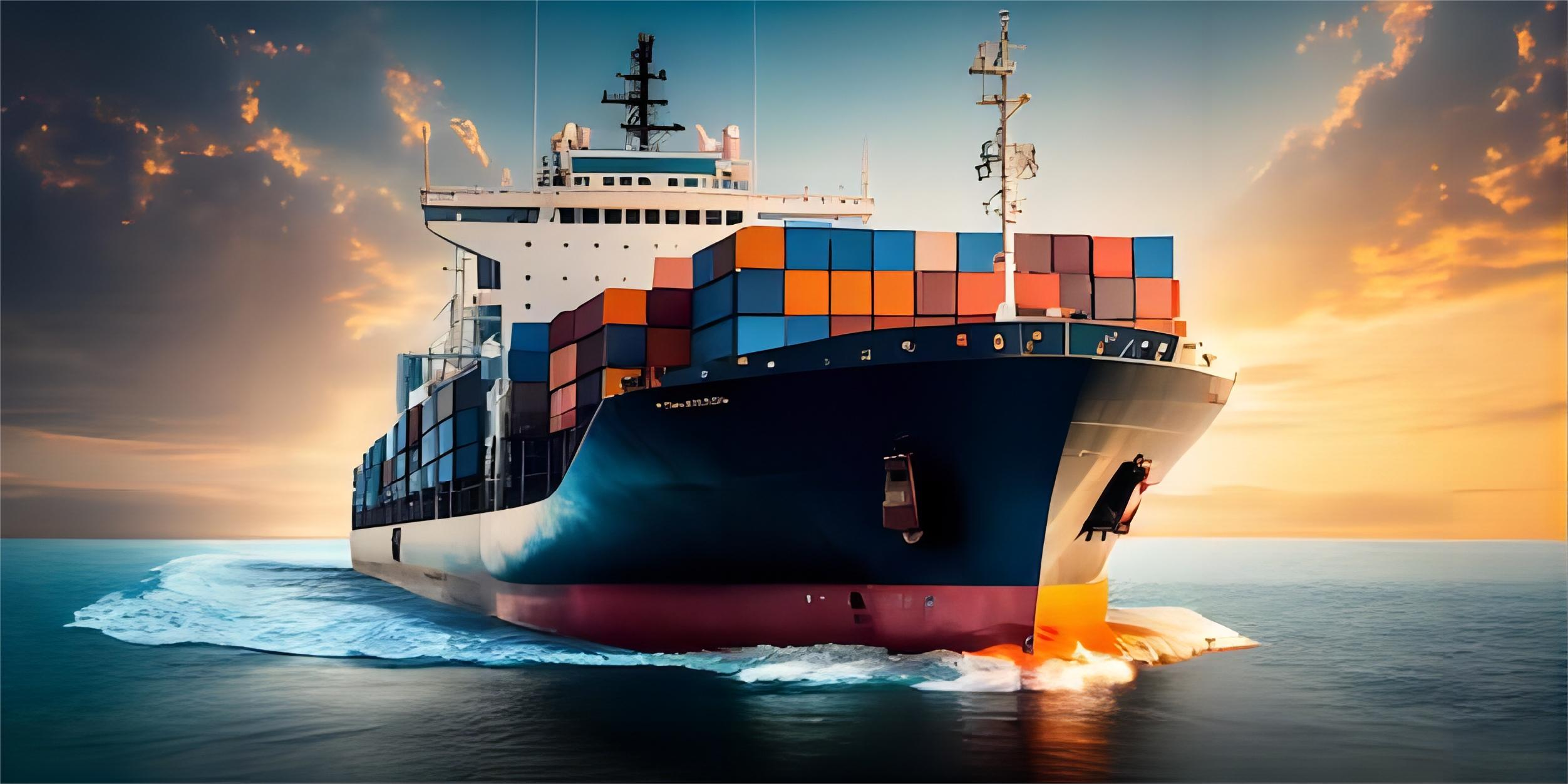
Global trade increasingly relies on sophisticated logistics networks that connect China, the Middle East, and Oceania. Consequently, businesses often seek china to australia shipping uae services to leverage the strategic management capabilities of UAE-based logistics firms. This route involves complex planning to ensure that cargo moving from Chinese ports like Ningbo or Shenzhen reaches Australian destinations such as Sydney or Melbourne efficiently.
Furthermore, navigating shipping from China to Australia requires a deep understanding of international maritime laws and local Australian biosecurity regulations. Many companies utilize UAE hubs to oversee their global supply chains, benefiting from the region’s advanced financial and logistics infrastructure. Therefore, coordinating these shipments requires a partner with a strong presence in both the origin and destination markets.
Market data suggests that freight volumes on this corridor remain high due to Australia’s demand for consumer electronics, machinery, and furniture. Meanwhile, the logistics landscape is evolving with new digital tracking technologies and sustainable shipping practices. Businesses must adapt to these trends to remain competitive in the global marketplace.
Comparing Shipping Methods for China to Australia Shipping UAE
Choosing between different transport modes is the most critical decision for any importer or exporter. While ocean transport offers cost-effectiveness for large volumes, air transport provides the speed necessary for high-value or time-sensitive goods. Additionally, the choice often depends on the specific nature of the cargo and the required delivery schedule.
Moreover, businesses must consider the total landed cost, which includes freight charges, insurance, and customs duties. In addition, transit times can vary significantly based on port congestion and seasonal demand. To help you decide, we have provided a comparison of the primary shipping methods used in this route.
| Method | Cost Level | Transit Time | Ideal For |
|---|---|---|---|
| Sea Freight (FCL) | Low | 18-25 Days | Bulk Goods |
| Sea Freight (LCL) | Moderate | 22-30 Days | Small Shipments |
| Air Freight | High | 3-7 Days | Urgent Cargo |
| Express | Very High | 2-5 Days | Documents/Samples |
Sea Freight Solutions for Bulk Cargo
For companies moving large quantities of goods, sea freight remains the most economical and reliable option. This method allows for the transport of massive volumes of cargo across the Pacific and Indian Oceans. Specifically, Full Container Load (FCL) shipping provides exclusive use of a container, which minimizes handling and reduces the risk of damage.
Consequently, FCL is preferred for shipments that can fill a 20-foot or 40-foot container entirely. On the other hand, Less than Container Load (LCL) is more suitable for smaller shipments where multiple importers share the same container space. Although LCL is cost-effective for smaller volumes, it typically requires more time for consolidation and deconsolidation at the ports.
Notably, major Chinese ports like Shanghai and Ningbo offer frequent departures to Australian hubs like Brisbane and Fremantle. Therefore, planning your sea freight schedule in advance is essential to avoid peak season delays. Industry experts recommend booking at least two to three weeks before the desired sailing date.
Transit Times to Major Australian Ports
Transit times vary depending on the specific port of loading in China and the discharge port in Australia. Generally, shipments from South China reach Australia faster than those originating from North China. Furthermore, direct routes are significantly quicker than those involving transshipment through hubs like Singapore.
Typical transit times for direct sea freight services are listed below for your reference. Note that these are port-to-port estimates and do not include inland transportation or customs clearance time.
| Origin Port | Destination Port | Direct Transit | Frequency |
|---|---|---|---|
| Shenzhen | Sydney | 12-15 Days | Weekly |
| Shanghai | Melbourne | 16-18 Days | Weekly |
| Ningbo | Brisbane | 14-17 Days | Bi-weekly |
| Qingdao | Fremantle | 20-24 Days | Weekly |

Fast Air Freight and Express Services
When speed is the primary priority, air freight is the superior choice for your logistics needs. This method is particularly effective for high-value electronics, medical supplies, or seasonal fashion items that need to reach the Australian market quickly. Furthermore, air transport offers enhanced security and lower insurance premiums compared to sea freight.
Additionally, for very small parcels or urgent documents, an express service provides door-to-door delivery with minimal hassle. These services often include customs clearance, making them a convenient option for e-commerce businesses. However, the cost per kilogram is significantly higher than other transport modes.
Consequently, businesses must balance the need for speed with their budget constraints. Indeed, many companies use air freight as a supplementary strategy to manage stock shortages while using sea freight for their main inventory. This hybrid approach optimizes both cost and supply chain responsiveness.
Navigating Customs Brokerage and Import Regulations
Successfully importing goods into Australia requires strict adherence to the regulations set by the Australian Border Force. Therefore, utilizing a professional customs brokerage service is highly recommended to avoid costly delays or fines. These experts manage the complex documentation required, including the Bill of Lading, Commercial Invoice, and Packing List.
Moreover, Australia has some of the strictest biosecurity laws in the world to protect its unique ecosystem. Consequently, certain products made of wood, plant material, or animal products must undergo rigorous inspection and treatment. In addition, ensuring that your cargo is correctly classified under the Harmonized System (HS) codes is vital for accurate duty calculation.
Specifically, the China-Australia Free Trade Agreement (ChAFTA) allows for reduced or zero tariffs on many goods. To benefit from these rates, importers must provide a valid Certificate of Origin. Accordingly, working with a knowledgeable freight forwarder ensures that all paperwork is correctly filed and compliant with current laws.
Benefits of Door to Door Logistics
Managing multiple logistics providers can be a daunting task for many businesses. Consequently, a door to door service offers a streamlined solution by handling the entire process from the supplier’s warehouse in China to the final destination in Australia. This comprehensive approach reduces the administrative burden on the importer.
Furthermore, door-to-door services provide better visibility and tracking throughout the shipment’s journey. Instead of coordinating with separate trucking companies, sea carriers, and customs agents, you have a single point of contact. Therefore, this method often results in fewer communication errors and faster overall transit times.
In addition, this service typically includes inland haulage at both the origin and destination. Whether your goods are coming from a factory in Guangzhou or a warehouse in Yiwu, the logistics provider ensures they reach the port and later the final Australian warehouse. Without a doubt, this is the most convenient option for businesses focusing on their core operations.
How Does Sea Freight Compare to Other Shipping Options?
In the context of china to australia shipping uae, sea freight is the dominant mode, but it is not the only option. While rail freight is a popular alternative for China-Europe routes, it is not physically possible for the China-Australia corridor due to the maritime geography. Therefore, the comparison primarily focuses on sea, air, and hybrid solutions.
Specifically, sea-air solutions involve shipping goods by sea to a hub like Singapore or Dubai and then flying them to Australia. This method offers a middle ground in terms of both cost and speed. Moreover, choosing the right method requires evaluating the volume, weight, and urgency of your cargo.
Below is an objective analysis of the viable alternatives for this specific route. This framework helps businesses determine the most efficient strategy based on their current priorities and market conditions.
| Shipping Method | Cost Range | Transit Time | Limitations |
|---|---|---|---|
| Sea Freight | $800 – $2,000 | 12-25 Days | Slow Speed |
| Air Freight | $5 – $12/kg | 3-7 Days | High Cost |
| Sea-Air Hybrid | Moderate | 10-15 Days | Complex Handling |
| Express Courier | $15 – $25/kg | 2-5 Days | Weight Limits |
Realistic Case Studies for China to Australia Shipping UAE
Understanding how these logistics strategies work in practice can provide valuable insights for your own operations. Based on market rates from late 2024 and early 2025, we have compiled two real-world examples of shipments managed on this route. These cases highlight the importance of choosing the right container type and shipping method.
Case Study 1: Sustainable Energy Components. Route: Shanghai, China to Sydney, Australia. Cargo: Solar Panels, 28 CBM, 14000 kg. Container: 40GP. Shipping Details: Carrier: Major carrier, Port of Loading: Shanghai, Port of Discharge: Sydney, Route Type: Direct. Cost Breakdown: Ocean Freight: $1,650, Origin Charges: $350, Destination Charges: $450, Customs and Duties: $1,200. Timeline: Booking to Loading: 4 days, Sea Transit: 14 days, Customs Clearance: 2 days, Total Door-to-Door: 20 days. Key Insight: Direct shipping saved 5 days compared to transshipment options.
Case Study 2: Consumer Electronics. Route: Shenzhen, China to Melbourne, Australia. Cargo: Smart Home Devices, 4 CBM, 850 kg. Container: LCL. Shipping Details: Carrier: Consolidation service, Port of Loading: Shenzhen, Port of Discharge: Melbourne, Route Type: Direct. Cost Breakdown: Ocean Freight: $420, Origin Charges: $150, Destination Charges: $280, Customs and Duties: $600. Timeline: Booking to Loading: 6 days, Sea Transit: 17 days, Customs Clearance: 3 days, Total Door-to-Door: 26 days. Key Insight: LCL provided a cost-effective solution for a shipment too small for a full container.
Which Option Should You Choose for Your Business?
Selecting the optimal strategy for china to australia shipping uae depends on your specific business goals. If your primary objective is to minimize costs, sea freight is undoubtedly the best choice for bulk shipments. However, if you are launching a new product and need to meet a strict deadline, air freight may be worth the investment.
Consequently, businesses should evaluate their volume thresholds before making a decision. For shipments under 100 kilograms, express or air freight is often more practical. Conversely, once a shipment exceeds 2 CBM, sea freight LCL becomes significantly more economical. Therefore, analyzing your shipping patterns is essential for long-term savings.
Finally, consider the seasonal variations in the market. During peak seasons like the months leading up to Christmas, sea freight rates can increase by 20 percent or more. In contrast, air freight rates might spike even more dramatically due to limited cargo space on passenger flights. Planning ahead and securing quotes early is the best way to mitigate these fluctuations.
Final Thoughts on China to Australia Shipping UAE
Navigating the complexities of china to australia shipping uae requires a strategic approach and a reliable logistics partner. By understanding the differences between sea and air freight, and leveraging the benefits of door-to-door services, businesses can build resilient supply chains. Furthermore, staying informed about customs regulations and market trends ensures that your goods move across borders without unnecessary delays.
Ultimately, the right choice depends on balancing speed, cost, and reliability. Whether you are shipping solar panels or consumer electronics, professional guidance is invaluable. We encourage you to use the data and frameworks provided in this guide to make informed decisions for your international trade operations.
Ready to streamline your logistics?
Ready to optimize your china to australia shipping uae strategy? Contact our expert team today for a customized quote and professional logistics support. Visit our website to learn more about our comprehensive freight services. Send Inquiry: https://chinatranslink.com/
Request Quote