
China to Europe Shipping Near Me Italy: 2025 Logistics Guide
Finding reliable China to Europe shipping near me Italy is a top priority for businesses looking to optimize their international supply chain. Many importers face challenges with fluctuating freight rates and complex customs regulations when moving goods from Asian manufacturing hubs to the Italian market. China Trans Link offers comprehensive logistics solutions designed to streamline your shipping process and reduce landed costs. Whether you are importing electronics to Milan or textiles to Naples, understanding the available transport modes is essential for maintaining a competitive edge. This guide explores the most efficient strategies for managing your cargo while ensuring timely delivery and regulatory compliance.

What Are the Best Methods for China to Europe Shipping Near Me Italy?
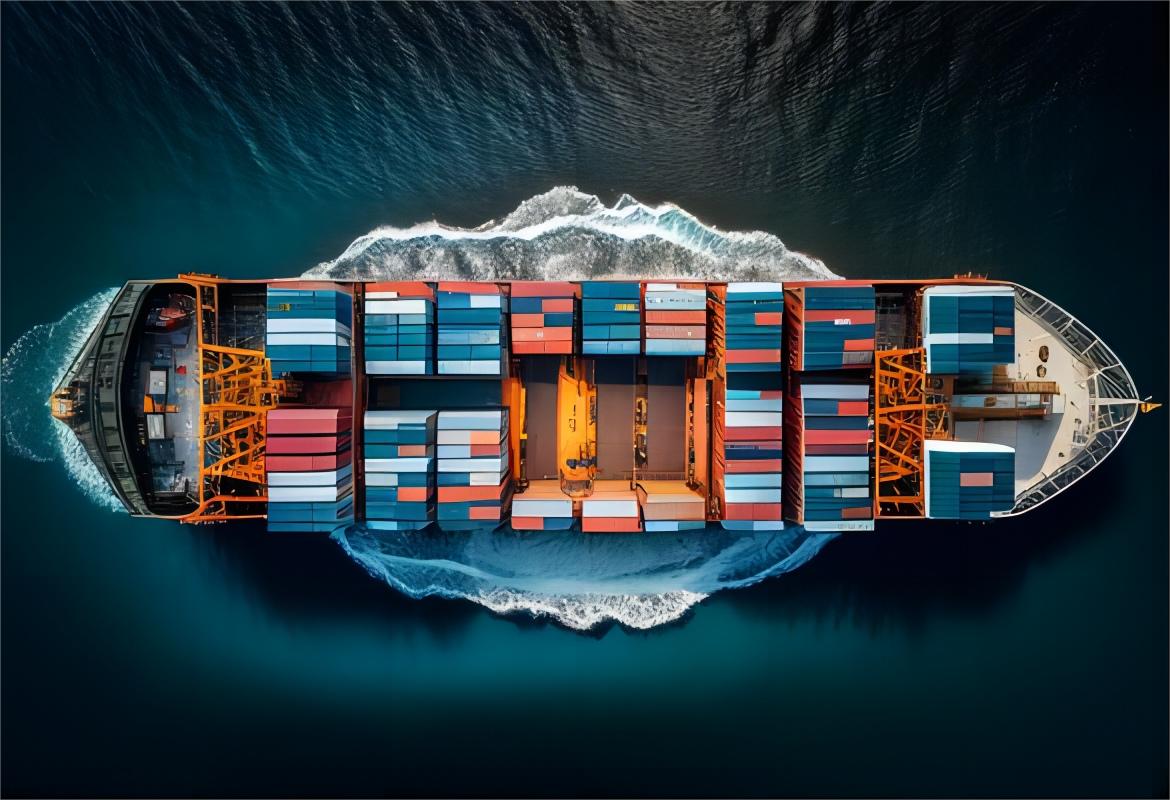
Choosing the right transportation mode depends heavily on your budget, cargo volume, and required delivery speed. Sea freight remains the most popular choice for large-scale shipments due to its cost-effectiveness over long distances. For businesses with significant volume, sea freight provides the lowest price per unit, especially when using Full Container Load (FCL) services. However, transit times are longer compared to other methods, usually ranging from 30 to 40 days depending on the specific port of discharge in Italy.
Air freight serves as the fastest alternative for time-sensitive goods or high-value items. When you need your products to arrive within a week, air freight is the superior option despite the higher associated costs. This method is particularly suitable for electronics, fashion samples, or urgent replacement parts. Consequently, many businesses utilize air transport to meet tight deadlines or respond to sudden market demands without maintaining excessive inventory levels.
Rail freight has emerged as a middle-ground solution that balances cost and speed effectively. Utilizing rail freight allows cargo to travel from Chinese rail hubs to European terminals in approximately 18 to 22 days. This method is faster than sea transport and significantly cheaper than air transport, making it an excellent choice for automotive parts and industrial machinery. Furthermore, rail transport is often considered more environmentally friendly than air freight, appealing to companies with sustainability goals.
Express services provide a door-to-door solution for smaller parcels and urgent documents. By choosing an express service, you benefit from a simplified shipping process where the courier handles all aspects of transport and customs. This option is ideal for e-commerce sellers and small businesses that do not have the volume for traditional freight. Additionally, the tracking capabilities of express carriers provide peace of mind throughout the entire transit period.
How Does Sea Freight Compare to Other Shipping Options?
Evaluating the different shipping modes requires a clear understanding of the trade-offs between speed and expense. While sea freight offers the lowest rates for bulk cargo, it requires careful planning to account for the longer transit times. In contrast, air freight minimizes the time goods spend in transit but can be five to ten times more expensive than sea transport. Therefore, businesses must analyze their profit margins and inventory turnover rates before selecting a primary shipping method.
Alternative strategies often involve hybrid solutions to optimize the supply chain. For example, some importers use sea-air combinations to reduce costs while still achieving faster delivery than pure sea freight. Another approach is utilizing Less than Container Load (LCL) shipping for smaller volumes that do not require a full 20GP or 40HQ container. This flexibility allows businesses to scale their operations without committing to massive shipping volumes immediately.
| Shipping Method | Cost Range | Transit Time | Best For |
|---|---|---|---|
| Sea Freight (FCL) | $3,000 – $4,500 | 30-40 Days | Bulk Goods |
| Air Freight | $5 – $10 per kg | 5-8 Days | High Value |
| Rail Freight | $4,000 – $6,000 | 18-22 Days | Mid-size Cargo |
| Express Service | $8 – $15 per kg | 3-5 Days | Small Parcels |
Navigating Customs and Logistics Near Me Italy
Managing the complexities of international trade requires a deep understanding of local regulations and documentation. Italian customs authorities maintain strict standards for imported goods, necessitating accurate paperwork to avoid delays and penalties. Engaging a professional customs brokerage service can significantly simplify this process by ensuring all duties and taxes are correctly calculated. Moreover, a knowledgeable broker can help you navigate specific Italian import requirements for different product categories.
Door to door solutions provide the most seamless experience for importers who want to focus on their core business. By opting for a door to door service, you transfer the responsibility of the entire logistics chain to the freight forwarder. This includes pickup at the factory in China, international transport, customs clearance, and final delivery to your warehouse in Italy. Consequently, this comprehensive approach reduces the risk of communication gaps between different service providers.
Case Studies: Real-World Shipping Scenarios
Case Study 1: Electronics from Shenzhen to Milan. Route: Shenzhen Port to Port of Genoa. Cargo: Consumer Electronics, 25 CBM, 5,000 kg. Container: 40GP. Carrier: COSCO. Shipping Details: Direct route via Suez Canal. Cost Breakdown: Ocean Freight $3,200, Origin Charges $450, Destination Charges $600, Customs and Duties $1,200. Total Landed Cost: $5,450. Timeline: Booking to Loading 4 days, Sea Transit 32 days, Customs Clearance 2 days. Total Door-to-Door: 38 days. Key Insight: Early booking during the off-peak season saved the client 15% on freight rates.
Case Study 2: Industrial Machinery from Shanghai to Naples. Route: Shanghai Port to Port of Naples. Cargo: Heavy Machinery, 15 CBM, 8,000 kg. Container: LCL. Carrier: MSC. Shipping Details: Transshipment via Singapore. Cost Breakdown: Ocean Freight $1,800, Origin Charges $300, Destination Charges $500, Customs and Duties $2,500. Total Landed Cost: $5,100. Timeline: Booking to Loading 5 days, Sea Transit 38 days, Customs Clearance 3 days. Total Door-to-Door: 46 days. Key Insight: Using LCL was more economical than FCL for this specific volume, despite the longer transit time.
Case Study 3: Fashion Apparel from Ningbo to Rome. Route: Ningbo Lishe Airport to Fiumicino Airport. Cargo: Designer Clothing, 2 CBM, 400 kg. Shipping Method: Air Freight. Carrier: Air China. Cost Breakdown: Air Freight $2,800, Origin Charges $200, Destination Charges $350, Customs and Duties $800. Total Landed Cost: $4,150. Timeline: Booking to Loading 2 days, Air Transit 2 days, Customs Clearance 1 day. Total Door-to-Door: 5 days. Key Insight: Air freight allowed the client to launch their seasonal collection on time despite manufacturing delays.
Which Option Should You Choose for Your Business?
Determining the most suitable shipping strategy involves a careful analysis of your specific business needs. If budget priority is your main concern, sea freight remains the undisputed leader for large shipments. On the other hand, if speed priority is paramount, air freight or express services are necessary to meet customer expectations. For cargo type considerations, heavy machinery often requires the stability of sea or rail containers, while fragile electronics benefit from the shorter handling time of air transport.
Volume thresholds also play a critical role in the decision-making process. For shipments under 15 CBM, LCL at current market rates may be more economical than paying for a full container. However, once your volume exceeds 20 CBM, transitioning to FCL often provides better security and lower costs per cubic meter. Indeed, analyzing these factors holistically ensures that your China to Europe shipping near me Italy strategy remains both efficient and profitable.

Market Trends and 2025 Shipping Outlook
Industry average for the China to Europe route has shown significant volatility in recent years due to global events. As of early 2025, freight rates have stabilized after the disruptions seen in 2024, but fuel surcharges remain a factor to watch. Market data suggests that rates typically increase by 15-25% during the August-October peak season. Therefore, planning your shipments well in advance is the best way to secure favorable pricing and guaranteed space on vessels.
Logistics trends are also shifting toward digital integration and real-time tracking. Modern freight forwarders now provide sophisticated platforms that allow you to monitor your cargo’s progress at every stage. Additionally, the growing emphasis on supply chain resilience means that many Italian importers are diversifying their shipping methods. By maintaining a mix of sea, rail, and air options, businesses can better adapt to unforeseen port congestions or geopolitical shifts. Note: Freight rates are subject to change based on fuel costs, carrier capacity, and seasonal demand. Contact us for a current quote tailored to your specific shipment.
Summary of Shipping Solutions to Italy
Successfully managing China to Europe shipping near me Italy requires a combination of strategic planning and expert partnerships. By understanding the differences between sea, air, and rail freight, you can choose the method that best aligns with your business goals. Remember to account for customs requirements and market trends to avoid unnecessary delays. Partnering with a reliable logistics provider like China Trans Link ensures that your goods arrive safely and efficiently. Start refining your supply chain today to achieve long-term success in the Italian market.
Ready to streamline your logistics?
Are you ready to optimize your logistics and reduce costs for China to Europe shipping near me Italy? Contact China Trans Link today for a personalized quote and expert guidance on your next shipment. Visit our website to learn more about our comprehensive freight forwarding services. Visit: https://chinatranslink.com/
Request Quote