
Dropshipping Logistics China International Saudi Arabia: 2025 Guide
Navigating the complexities of dropshipping logistics china international saudi arabia requires a deep understanding of Middle Eastern trade corridors and efficient supply chain management. Consequently, many e-commerce entrepreneurs struggle with high shipping costs and unpredictable delivery schedules when sourcing from Chinese suppliers. China Trans Link provides comprehensive solutions to streamline your international operations and ensure your products reach Riyadh or Jeddah without delay.
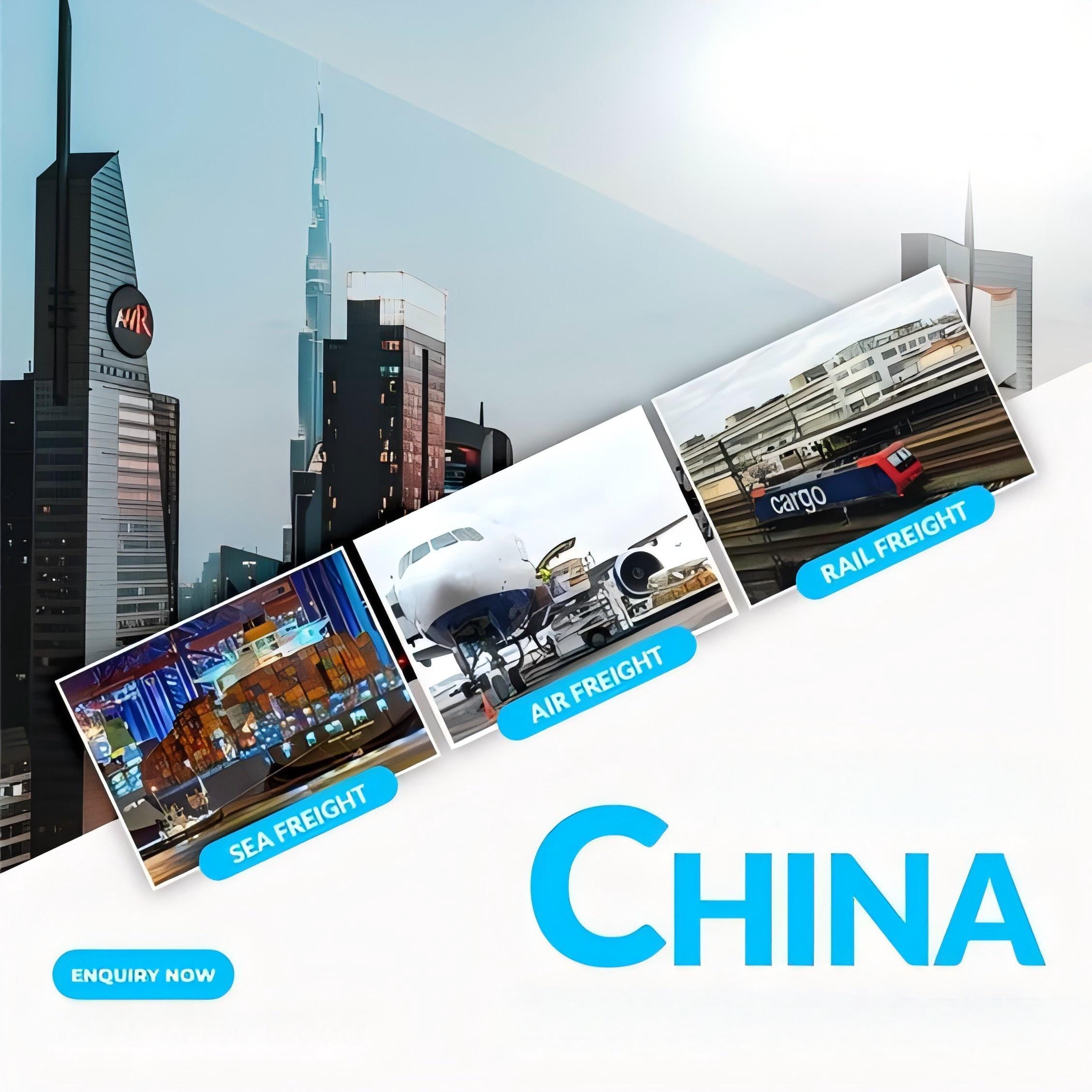
The Strategic Importance of Dropshipping Logistics China International Saudi Arabia
Saudi Arabia represents one of the fastest-growing e-commerce markets in the world, driven by a young population and the ambitious Saudi Vision 2030 initiative. Furthermore, the demand for high-quality electronics, fashion, and home goods from China has never been higher. Efficiently managing your dropshipping logistics china international saudi arabia is the key to maintaining a competitive edge in this lucrative landscape.
However, shippers must account for unique regional requirements such as VAT compliance and specific product certifications. Indeed, successful businesses prioritize reliable freight forwarding partners who understand the nuances of the Saudi market. By optimizing your supply chain, you can reduce transit times and improve customer satisfaction significantly.
Moreover, the logistics infrastructure in the Kingdom is undergoing rapid transformation with new ports and expanded airport capacities. This development allows for more diverse shipping options and faster last-mile delivery across major cities like Dammam and Mecca. Therefore, staying informed about these trends is essential for any international seller.
Evaluating Air Freight for Rapid Saudi Arabian Market Entry
When speed is the primary concern for your e-commerce business, air freight stands out as the most effective solution for small to medium-sized parcels. Typically, air shipments from hubs like Shenzhen or Guangzhou can reach Saudi international airports within three to seven business days. This rapid turnaround is crucial for dropshippers who need to maintain high customer service standards.
Additionally, air transport offers enhanced security for high-value items such as smartphones and luxury accessories. While the cost per kilogram is higher than sea transport, the reduced inventory holding costs often justify the investment. Consequently, many sellers use air freight to test new product lines before committing to larger bulk orders.
Furthermore, major carriers provide daily flights between China and the Kingdom, ensuring a consistent delivery schedule. You should consider the volumetric weight of your packages, as this heavily influences the final shipping rates. Nevertheless, the reliability of air transit remains unmatched for time-sensitive dropshipping models.
How Does Air Freight Compare to Other Shipping Options?
Comparing different transport modes is vital for balancing your budget and delivery promises. While air freight is fast, sea freight offers a much more economical route for larger shipments or bulk inventory. For example, shipping a full container can cost significantly less per unit than sending individual express parcels.
On the other hand, sea freight transit times are much longer, often ranging from 25 to 35 days depending on the port of origin. This requires more advanced planning and a robust inventory management strategy to avoid stockouts. In contrast, express services provide door-to-door convenience but at a premium price point.
Hybrid solutions like sea-air freight are also gaining popularity for those seeking a middle ground in terms of cost and speed. These routes typically involve shipping by sea to a hub like Dubai and then flying the goods to Saudi Arabia. Such alternative strategies can save up to 40 percent in costs compared to pure air freight while remaining faster than traditional sea routes.
| Shipping Method | Cost Range | Transit Time | Best For |
|---|---|---|---|
| Air Freight | $5.50 – $9.00/kg | 3-7 Days | High-value goods |
| Sea Freight (LCL) | $120 – $250/CBM | 25-35 Days | Bulky items |
| Express Service | $8.00 – $12.00/kg | 2-5 Days | Small parcels |
| Sea-Air Hybrid | $3.50 – $5.00/kg | 12-18 Days | Mid-range budget |
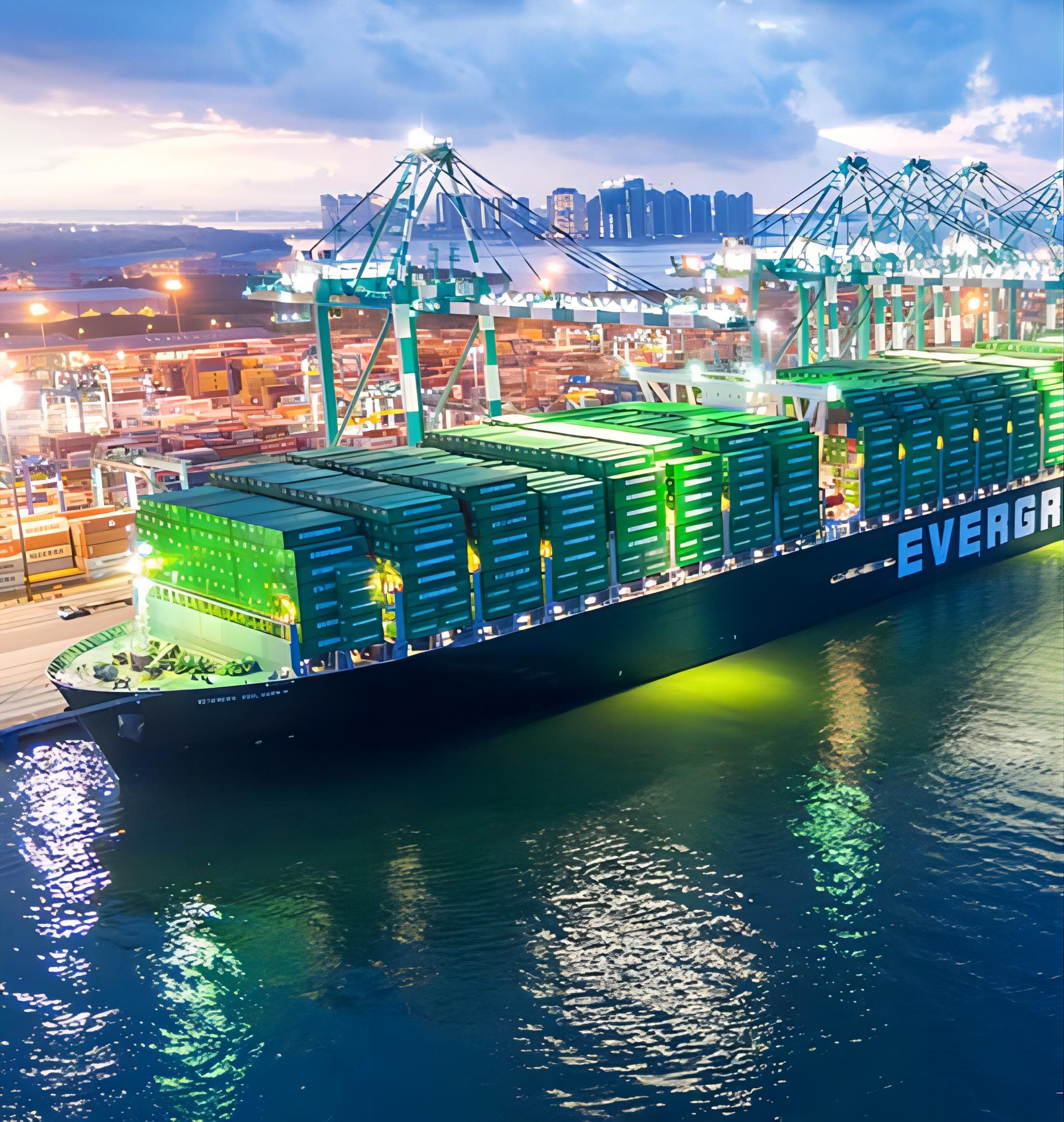
Mastering Saudi Arabian Customs Clearance and SABER Systems
Navigating the regulatory environment is perhaps the most challenging aspect of dropshipping logistics china international saudi arabia. All imported goods must comply with the Saudi Standards, Metrology and Quality Organization (SASO) requirements. Therefore, utilizing a professional customs brokerage service is highly recommended to avoid costly delays at the border.
The SABER platform is now mandatory for registering products and issuing conformity certificates for shipments entering the Kingdom. Consequently, dropshippers must ensure their suppliers provide the necessary documentation and technical files for approval. Without these certificates, goods may be rejected or confiscated by Saudi Customs authorities.
In addition to conformity certificates, you must account for the 15 percent Value Added Tax (VAT) and applicable import duties. Most consumer goods attract a basic duty rate, though certain categories may have higher protectionist tariffs. Accordingly, calculating the total landed cost accurately is essential for maintaining your profit margins.
Implementing Express Services for High-Value Dropshipping
For premium dropshipping logistics china international saudi arabia, express service providers like DHL, FedEx, and Aramex offer the most seamless experience. These carriers handle the entire logistics chain, including customs clearance and final delivery to the customer’s doorstep. This end-to-end management reduces the administrative burden on the seller.
Moreover, express shipping provides real-time tracking, which is a significant factor in building trust with Saudi consumers. Since many shoppers in the region prefer Cash on Delivery (COD), having a reliable courier who can manage payments is a major advantage. However, you should be aware that COD services often come with additional fees and higher return rates.
Indeed, the convenience of express shipping allows you to scale your business quickly without investing in local warehousing. Nevertheless, you must monitor your shipping expenses closely to ensure they do not exceed your retail price points. For instance, lightweight items are ideal for this method, whereas heavier goods may require alternative freight strategies.
Strategic Warehousing and Fulfillment Hubs in China
Consolidating your orders in a Chinese warehouse before international dispatch can lead to significant cost savings. By grouping multiple customer orders into a single shipment, you can take advantage of bulk freight rates. Furthermore, warehousing in hubs like Shenzhen or Ningbo allows for thorough quality control inspections before the goods leave the country.
Additionally, many fulfillment centers offer value-added services such as custom packaging and labeling, which enhance your brand identity. This is particularly important for dropshippers who want to differentiate themselves from competitors selling similar products. Consequently, a well-organized fulfillment strategy reduces the likelihood of shipping errors and returns.
Meanwhile, storing inventory closer to the manufacturing source provides flexibility in responding to market trends. If a particular product gains popularity in Saudi Arabia, you can quickly ramp up shipments from your China hub. Therefore, choosing a logistics partner with strong warehousing capabilities is a vital component of your international operations.
Real-World Case Studies: China to Saudi Arabia Logistics
Case Study 1: Electronics Distribution to Riyadh. A dropshipper based in Shenzhen needed to move 500kg of consumer electronics to Riyadh. By choosing air freight, the total landed cost was $3,300, including customs and duties. The goods arrived in just 5 days, allowing the seller to capitalize on a peak shopping season.
Case Study 2: Fashion Apparel to Jeddah. A boutique owner shipped 12 CBM of clothing from Ningbo using LCL sea freight. The total cost was $1,950 with a transit time of 32 days. Although the transit was longer, the lower shipping cost per unit allowed for a 40 percent higher profit margin compared to air freight.
Case Study 3: Furniture Sample via Express. A furniture startup sent a 45kg chair sample from Foshan to Dammam via express service. The shipment cost $480 and arrived in 4 days. This speed allowed the startup to secure a large contract with a Saudi hotel chain by providing a physical sample quickly.

Optimizing Last-Mile Delivery in Riyadh and Jeddah
The final leg of the journey is often the most critical for customer satisfaction in the Middle East. Door to door services ensure that your packages are delivered directly to the recipient’s home or office. In Saudi Arabia, accurate addressing can sometimes be a challenge, making local expertise invaluable.
Furthermore, the rise of smart lockers and local pickup points is providing more flexibility for consumers who are not home during the day. Partnering with a logistics provider that has a strong local network in Riyadh, Jeddah, and Dammam is essential. Consequently, you can offer faster delivery times and more reliable service than competitors using standard mail.
In addition, clear communication with the customer during the delivery process reduces the number of failed attempts. Automated SMS alerts and phone calls from the courier are standard practices in the Saudi market. Therefore, ensuring your logistics partner supports these features will lead to a better overall shopping experience.
Which Logistics Option Should You Choose?
Selecting the right shipping strategy depends on your specific business goals and product characteristics. If your priority is budget and you are shipping large volumes, sea freight is the clear winner. However, if you are selling high-margin electronics that need to reach customers quickly, air freight or express services are more appropriate.
For many dropshippers, a multi-tier approach works best. You might use express shipping for new products and sea freight for your best-selling items that have predictable demand. This hybrid strategy allows you to balance speed and cost while minimizing the risk of overstocking or stockouts.
Note: Freight rates are subject to change based on fuel costs, carrier capacity, and seasonal demand. Contact us for a current quote tailored to your specific shipment.
| Priority | Recommended Method | Volume Threshold | Typical Use Case |
|---|---|---|---|
| Budget | Sea Freight | Over 2 CBM | Home Furniture |
| Speed | Air Freight | Under 500kg | Tech Gadgets |
| Convenience | Express Service | Under 30kg | Fashion Items |
| Balance | Sea-Air | 100kg – 500kg | Seasonal Decor |
Summary of Saudi Arabian Logistics Success
Mastering dropshipping logistics china international saudi arabia is a journey that requires careful planning and the right partnerships. By understanding the differences between air, sea, and express shipping, you can make informed decisions that protect your margins. Furthermore, staying compliant with SABER and SASO regulations is non-negotiable for long-term success.
As the Saudi e-commerce market continues to expand, those who invest in reliable logistics will be best positioned to capture the growing demand. Always prioritize transparency in your shipping times and costs to build a loyal customer base. With the right strategy, your international dropshipping business can achieve remarkable growth in the Kingdom.
Ready to streamline your logistics?
Streamline your dropshipping logistics china international saudi arabia today by partnering with industry experts. Our team provides tailored shipping solutions and customs support to help your business thrive in the Saudi market. Visit our website to request a personalized quote and start optimizing your international supply chain. Send Inquiry: https://chinatranslink.com/contact-us/
Request Quote