
FCL Shipping China Spain: The Ultimate Logistics Guide 2025
Navigating fcl shipping china spain requires a deep understanding of international logistics networks and carrier schedules. Businesses often choose China Trans Link to streamline their supply chains between these two major economic hubs. Consequently, selecting the right container size and shipping route becomes essential for maintaining profitability in the competitive European market.
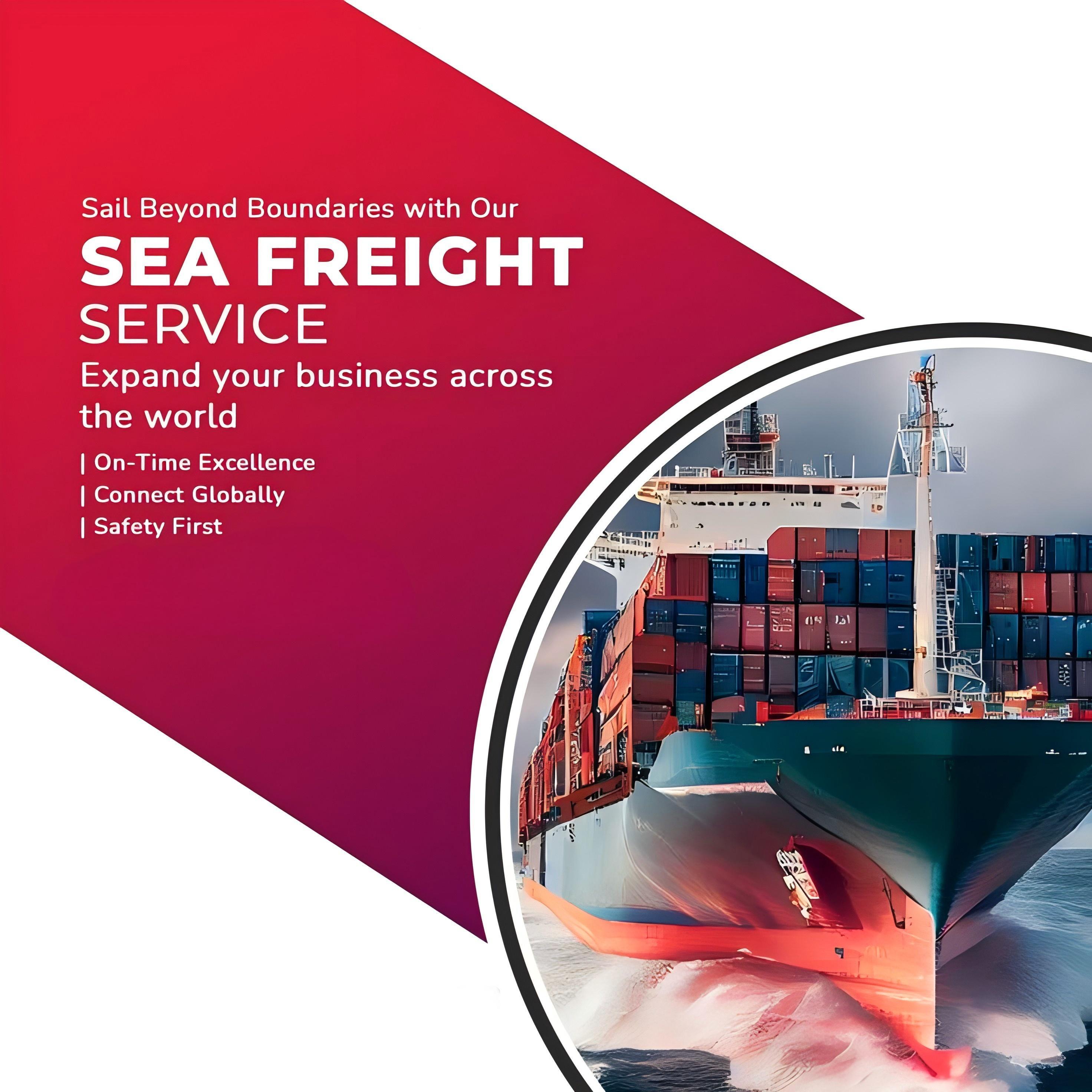
What is FCL Shipping and Why is it Ideal for Spain?
Full Container Load (FCL) refers to shipments where a single importer occupies the entire space of a sea container. This method offers superior security because the container remains sealed from the point of origin until it reaches the destination. Moreover, fcl shipping china spain typically results in faster transit times compared to shared container options.

Choosing FCL allows businesses to manage large volumes of goods while minimizing the risk of damage. Furthermore, the cost per unit decreases significantly as the volume of the shipment increases. Therefore, most established importers prefer this method for consistent supply chain operations.
Spain serves as a vital gateway for goods entering Southern Europe. Utilizing sea freight for FCL shipments ensures that your products reach major Spanish ports like Valencia or Barcelona efficiently. Consequently, this logistics strategy supports long-term business growth.
How Does FCL Shipping Compare to Other Shipping Options?
Evaluating different transport modes is crucial for optimizing your logistics budget and delivery schedule. While sea freight remains the most popular choice for bulk goods, alternatives like rail and air freight serve specific business needs. However, each method involves trade-offs between speed, cost, and capacity.
Air freight offers the fastest delivery but comes with significantly higher expenses. In contrast, rail freight provides a middle ground for those seeking faster transit than sea without the extreme costs of air. Nevertheless, FCL sea shipping remains the gold standard for large-scale international trade.
| Shipping Method | Cost Range | Transit Time | Best For | Limitations |
|---|---|---|---|---|
| Sea FCL | $2,000 – $4,500 | 30 – 40 Days | Bulk / Heavy Goods | Longer lead times |
| Rail Freight | $3,500 – $5,500 | 18 – 24 Days | Mid-value items | Limited destinations |
| Air Freight | $12,000+ | 5 – 8 Days | Urgent / High-value | Weight restrictions |
| Sea LCL | $50 – $150/CBM | 35 – 45 Days | Small shipments | Higher damage risk |
Alternative Strategies for Different Scenarios
For urgent shipments that cannot afford air freight costs, consider rail freight as a viable alternative. This method connects major Chinese industrial hubs directly to European rail terminals. Additionally, businesses can use hybrid sea-air solutions to balance cost and speed effectively.
Cost-saving strategies often involve choosing transshipment routes instead of direct ones. While direct routes save time, transshipment via hubs like Singapore can reduce ocean freight rates by 10% to 15%. Always analyze your inventory requirements before selecting the cheapest possible route.
Major Ports and Routes for fcl shipping china spain
Understanding the geography of your shipment helps in predicting transit times and local handling fees. China hosts several of the world’s busiest ports, including Shanghai, Ningbo, and Shenzhen. Meanwhile, Spain offers excellent maritime infrastructure through its Mediterranean and Atlantic coasts.
Valencia stands as the busiest port in Spain for containerized cargo. It handles a vast portion of the fcl shipping china spain traffic due to its strategic location and modern facilities. Additionally, the Port of Barcelona serves as a critical entry point for goods destined for the northern regions of the country.
Key Spanish Ports for FCL Shipments
Barcelona offers advanced logistics zones that facilitate quick distribution throughout the Catalonia region. Most carriers provide weekly services from major Chinese ports to this destination. Furthermore, the Port of Algeciras acts as a major transshipment hub for goods moving toward the Atlantic coast.
Bilbao serves the industrial heartland of Northern Spain. While transit times to Bilbao might be slightly longer, it provides direct access to the Basque Country’s manufacturing sectors. Consequently, selecting the port closest to your final warehouse reduces inland drayage costs.
Understanding Transit Times and Schedule Reliability
Transit times for fcl shipping china spain vary based on the specific port of loading and the chosen carrier. Typically, a direct voyage from Shenzhen to Valencia takes approximately 30 to 35 days. However, factors such as weather conditions and port congestion can influence the final delivery date.
Reliability has become a major focus for logistics managers in 2025. According to industry benchmarks, schedule integrity has stabilized after recent global disruptions. Nevertheless, importers should always include a buffer of 5 to 7 days in their planning to account for unforeseen delays.
| Origin Port | Destination Port | Direct Transit | Transshipment |
|---|---|---|---|
| Shanghai | Valencia | 32 Days | 38-42 Days |
| Shenzhen | Barcelona | 30 Days | 36-40 Days |
| Ningbo | Algeciras | 34 Days | 40-45 Days |
| Qingdao | Valencia | 36 Days | 42-48 Days |
FCL Shipping Costs and Pricing Factors
Shipping costs fluctuate based on fuel surcharges, seasonal demand, and container availability. As of early 2025, market data suggests that rates for a 40HQ container from China to Spain range between $3,200 and $4,200. Meanwhile, 20GP containers are generally priced 20% to 30% lower than their larger counterparts.
Peak season usually occurs between August and October as retailers prepare for the holiday period. During this time, freight rates can increase by 15% to 25% due to high demand. Therefore, booking your fcl shipping china spain space at least 3-4 weeks in advance is highly recommended.
Note: Freight rates are subject to change based on fuel costs, carrier capacity, and seasonal demand. Contact us for a current quote tailored to your specific shipment.
| Container Type | Typical Rate (2025) | Max Payload | Ideal For |
|---|---|---|---|
| 20GP | $1,800 – $2,500 | 28,000 kg | Heavy/Dense goods |
| 40GP | $2,800 – $3,800 | 26,000 kg | General cargo |
| 40HQ | $3,000 – $4,200 | 26,000 kg | Voluminous goods |
Customs Clearance and Documentation in Spain
Navigating Spanish customs requires precise documentation and adherence to European Union regulations. Importers must provide a Commercial Invoice, Packing List, and a Bill of Lading for every FCL shipment. Additionally, an EORI number is mandatory for any business importing goods into Spain.
Spanish authorities strictly enforce product safety and compliance standards. Utilizing a professional customs brokerage service can prevent costly delays at the port. Consequently, ensuring all paperwork is accurate before the vessel arrives is a critical step in the logistics process.
Import duties and VAT are calculated based on the CIF (Cost, Insurance, and Freight) value of the goods. Spain’s standard VAT rate is 21%, though certain products may qualify for reduced rates. Moreover, specific anti-dumping duties might apply to certain Chinese-manufactured goods.

Real-World Case Studies: China to Spain FCL
Examining actual shipping scenarios provides valuable insights into the practicalities of international trade. These examples highlight the costs and timelines associated with different types of cargo. Furthermore, they demonstrate how professional logistics management overcomes common challenges.
Case Study 1: Solar Panels from Ningbo to Valencia. Route: Ningbo, China to Valencia, Spain. Cargo: Solar Panels, 65 CBM. Container: 40HQ. Shipping Details: Carrier COSCO, Port of Loading Ningbo, Port of Discharge Valencia, Direct Route. Cost Breakdown: Ocean Freight $3,400, Origin Charges $450, Destination Charges $550, Total Landed Cost $4,400. Timeline: Booking to Loading 4 days, Sea Transit 33 days, Customs Clearance 2 days, Total Door-to-Door 39 days. Key Insight: Early booking during the Q3 peak season secured space and avoided rate hikes.
Case Study 2: Furniture from Shenzhen to Barcelona. Route: Shenzhen, China to Barcelona, Spain. Cargo: Home Furniture, 28 CBM. Container: 20GP. Shipping Details: Major Carrier, Port of Loading Shenzhen, Port of Discharge Barcelona, Transshipment via Algeciras. Cost Breakdown: Ocean Freight $2,100, Origin Charges $380, Destination Charges $420, Total Landed Cost $2,900. Timeline: Booking to Loading 3 days, Sea Transit 35 days, Customs Clearance 3 days, Total Door-to-Door 41 days. Key Insight: Choosing a 20GP was more economical than LCL for this specific volume and weight.
Which Option Should You Choose?
Selecting the best shipping method depends on your specific business priorities and cargo characteristics. If budget is your primary concern, sea FCL remains the most cost-effective solution for large volumes. However, if speed is critical for a product launch, air freight might be necessary despite the higher price.
Volume thresholds often dictate the switch from LCL to FCL. Generally, if your shipment exceeds 15 cubic meters, booking a full 20ft container becomes more economical. Additionally, FCL reduces handling, which is vital for fragile or high-value items.
Consider the final destination within Spain when planning your route. For deliveries to Madrid, both Valencia and Barcelona offer excellent rail and road connections. Meanwhile, shipments to Southern Spain should ideally target Algeciras or Malaga to minimize inland transport costs.
Mastering Your Logistics from China to Spain
Successfully managing fcl shipping china spain involves balancing cost, speed, and reliability. By understanding the major ports, transit times, and customs requirements, businesses can build a resilient supply chain. Moreover, partnering with an experienced freight forwarder ensures that you stay informed about market trends and regulatory changes.
Spain remains a lucrative market for Chinese exports, ranging from electronics to industrial machinery. Utilizing the right container size and shipping route will significantly impact your bottom line. Ultimately, consistent planning and professional logistics support are the keys to thriving in the global marketplace. Explore our shipping solutions for <a href=”https://chinatranslink.com/shipping-from-china-to-europe/”>Europe</a> to expand your reach today.
Ready to streamline your logistics?
Streamline your international trade with expert fcl shipping china spain solutions. Our team provides comprehensive support from port to door, ensuring your cargo arrives safely and on time. Contact us today to receive a customized freight quote for your next shipment. Visit our door-to-door service page to learn how we can simplify your logistics chain. Send Inquiry.
Request Quote