China to Europe Shipping for Amazon Sellers: The Ultimate 2025 Guide
Navigating the complexities of international logistics is a critical step for e-commerce entrepreneurs looking to expand their reach across the continent. Finding reliable China Trans Link solutions ensures your inventory arrives at fulfillment centers safely and on time. This guide explores the most effective strategies for china to europe shipping for amazon sellers to help you maximize profit margins and streamline your supply chain. Whether you are a new seller or an established brand, understanding these logistics trends is essential for success.

What are the Main Methods for China to Europe Shipping for Amazon Sellers?
Selecting the right transportation mode is the most significant decision you will make in your logistics planning. For many businesses, sea freight remains the most popular choice due to its balance of cost and capacity. This method is particularly effective for large volumes of inventory that do not require immediate delivery.
Rail freight has emerged as a powerful middle-ground solution for those needing faster transit than the ocean but lower costs than the air. It utilizes the extensive Silk Road rail networks to connect major Chinese manufacturing hubs with European distribution centers. Consequently, many sellers use this for seasonal inventory that requires a predictable delivery schedule.
Air freight provides the fastest possible transit for urgent restocks or high-value items. While the cost per kilogram is significantly higher, the speed allows sellers to respond quickly to sudden spikes in demand. Therefore, maintaining a mix of these methods is often the most resilient strategy for a growing Amazon business.
How Does Sea Freight Compare to Other Shipping Options?
Comparing different logistics modes requires a deep dive into transit times, costs, and reliability. Sea freight offers the lowest price point for bulk cargo but takes the longest time to reach European ports like Rotterdam or Hamburg. In contrast, rail freight can cut transit time by nearly half while keeping costs manageable.
Air freight is the premium choice, often delivering goods within a week. However, the environmental impact and high cost make it less sustainable for low-margin products. Sellers must weigh these factors against their current inventory levels and cash flow requirements.
Hybrid solutions, such as sea-air combinations, are also gaining popularity among savvy exporters. These routes involve shipping by sea to a hub like Dubai and then flying the goods to Europe. This approach offers a compromise that balances speed and expenditure effectively.
| Shipping Method | Cost Range | Transit Time | Best For |
|---|---|---|---|
| Sea Freight (FCL) | $3,000 – $4,500 | 30 – 45 Days | Large bulk orders |
| Rail Freight | $4,000 – $6,000 | 18 – 25 Days | Mid-size shipments |
| Air Freight | $5 – $9 per kg | 5 – 8 Days | Urgent restocks |
| Express Courier | $9 – $15 per kg | 3 – 5 Days | Small samples |

What are the Costs Involved in China to Europe Shipping for Amazon Sellers?
Understanding the full breakdown of expenses is vital for maintaining healthy profit margins. Beyond the base freight rate, you must account for origin charges, destination fees, and customs duties. Using an experienced customs brokerage service can help you navigate these complex tax structures without unexpected delays.
Landed cost calculations should include the cost of the goods, insurance, and the final mile delivery to the Amazon warehouse. Because freight rates fluctuate based on fuel surcharges and seasonal demand, getting a current quote is always recommended. For example, Q4 peak season often sees rates increase by 20 percent or more.
Value Added Tax (VAT) is another critical component for European markets. Each country has different thresholds and rates that must be paid upon entry. Consequently, failing to account for these can lead to significant financial losses for uninformed sellers.
Typical Container Rates for 2025
Current market data suggests that a 40HQ container from Shenzhen to Felixstowe ranges between $3,500 and $4,500. For smaller shipments, LCL rates typically hover around $50 to $90 per cubic meter. These prices are subject to change based on carrier capacity and global economic conditions.
Disclaimer: Freight rates are subject to change based on fuel costs, carrier capacity, and seasonal demand. Contact us for a current quote tailored to your specific shipment.
Which Option Should You Choose? A Decision Framework
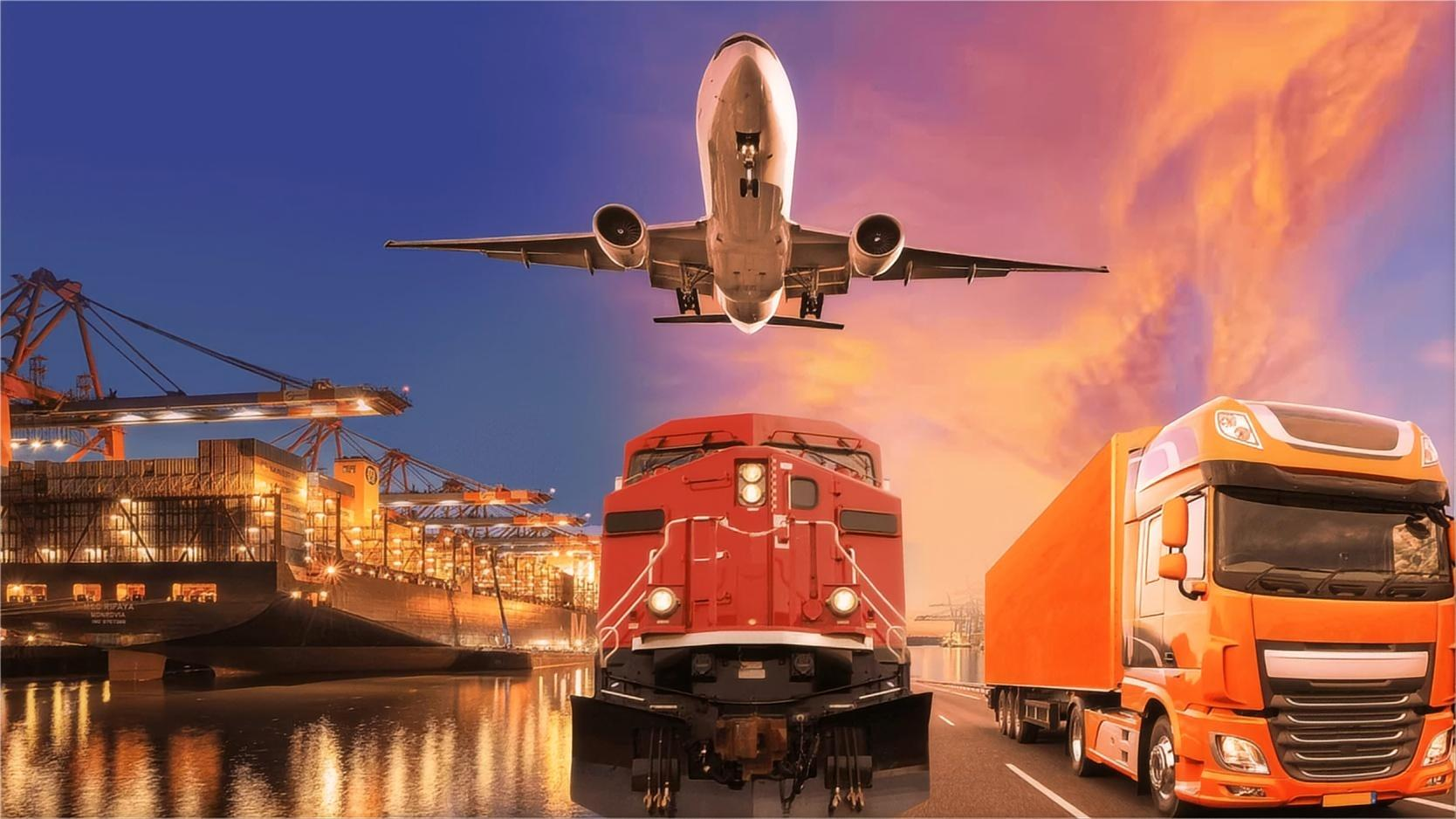
Choosing the right method depends on several variables including your budget, product type, and deadline. If your primary goal is to minimize costs and you have at least two months of inventory on hand, sea freight is the clear winner. This method allows you to ship large quantities at the lowest possible unit cost.
Speed priority dictates a shift toward air freight or express services. If you are launching a new product and need to get it live on Amazon quickly, the higher cost of air transport is often justified by the potential for early sales. Meanwhile, rail freight provides a reliable middle ground for consistent inventory replenishment.
Cargo type also plays a major role in your decision. Heavy or bulky items like furniture are almost exclusively shipped via sea due to the prohibitive cost of air transport. Conversely, small electronics or high-fashion items are better suited for air or rail where the value-to-weight ratio is higher.
Managing Customs and Compliance for European FBA
Compliance is the backbone of a successful international e-commerce business. Every shipment must be accompanied by a commercial invoice, packing list, and a bill of lading. Additionally, many products require specific certifications like CE marking to be legally sold within the European Union.
Customs clearance can be a major bottleneck if your documentation is not precise. Working with a freight forwarder that specializes in Amazon FBA logistics ensures that your labels and paperwork meet Amazon specific requirements. This reduces the risk of your shipment being rejected at the fulfillment center dock.
Importer of Record (IOR) services are often necessary for sellers who do not have a physical legal entity in Europe. This service takes responsibility for the taxes and legal compliance of the imported goods. Without a valid IOR, your cargo may be held indefinitely at the border.
| Document Name | Required For | Description |
|---|---|---|
| Commercial Invoice | Customs Valuation | Lists buyer, seller, and price |
| Packing List | Cargo Inspection | Details weight and dimensions |
| Bill of Lading | Legal Title | The contract between shipper and carrier |
| EORI Number | EU Identification | Required for all EU imports |
Real-World Case Studies for Amazon Sellers
Case Study 1: Electronics Restock. Route: Ningbo, China to Hamburg, Germany. Cargo: Consumer electronics, 12 CBM, 2400 kg. Method: Sea Freight LCL. Ocean Freight: $950. Origin Charges: $300. Destination Charges: $450. Customs and Duties: $1,200. Total Landed Cost: $2,900. Total Door-to-Door: 38 days. Key Insight: Consolidating multiple small orders into one LCL shipment saved the seller 15 percent compared to express shipping.
Case Study 2: Apparel Peak Season. Route: Shenzhen, China to Warsaw, Poland. Cargo: Summer clothing, 28 CBM, 5000 kg. Method: Rail Freight 40GP. Rail Freight: $4,200. Origin Charges: $400. Destination Charges: $600. Customs and Duties: $2,500. Total Landed Cost: $7,700. Total Door-to-Door: 24 days. Key Insight: Rail provided the necessary speed to beat the summer sales rush while remaining 60 percent cheaper than air freight.
Case Study 3: High-Value Tech Launch. Route: Shanghai, China to Paris, France. Cargo: Smart home devices, 2 CBM, 450 kg. Method: Air Freight. Air Freight: $3,150. Origin Charges: $200. Destination Charges: $350. Customs and Duties: $1,800. Total Landed Cost: $5,500. Total Door-to-Door: 7 days. Key Insight: Using air freight allowed the seller to maintain their No. 1 Best Seller badge during a stock-out crisis.
Final Thoughts on European Logistics
Mastering china to europe shipping for amazon sellers requires a blend of strategic planning and reliable partnerships. By diversifying your shipping methods and staying informed about customs regulations, you can protect your margins and ensure customer satisfaction. Remember that the cheapest option is not always the best if it leads to stock-outs or warehouse rejections.
Success in the European market is attainable for those who treat logistics as a core part of their business strategy. We recommend starting with a clear understanding of your landed costs and building a buffer into your delivery timelines. With the right approach, your Amazon business can thrive across the diverse and lucrative European continent.
Ready to streamline your logistics?
Streamline your supply chain today with professional china to europe shipping for amazon sellers. Contact our expert team at China Trans Link to receive a customized quote and optimize your FBA logistics strategy for the coming year. Visit our contact page to start your inquiry.