

FCL Shipping China Saudi Arabia: The Complete 2025 Guide
Navigating the complexities of international trade requires a reliable logistics partner to ensure your goods arrive safely and on time. Business owners often face challenges with fluctuating freight rates and complex customs regulations when arranging FCL shipping China Saudi Arabia for their commercial cargo. Fortunately, China Trans Link provides comprehensive solutions that simplify the entire process from origin to destination. In this guide, we will explore everything you need to know about container shipping, transit times, and cost-saving strategies for the Middle Eastern market.
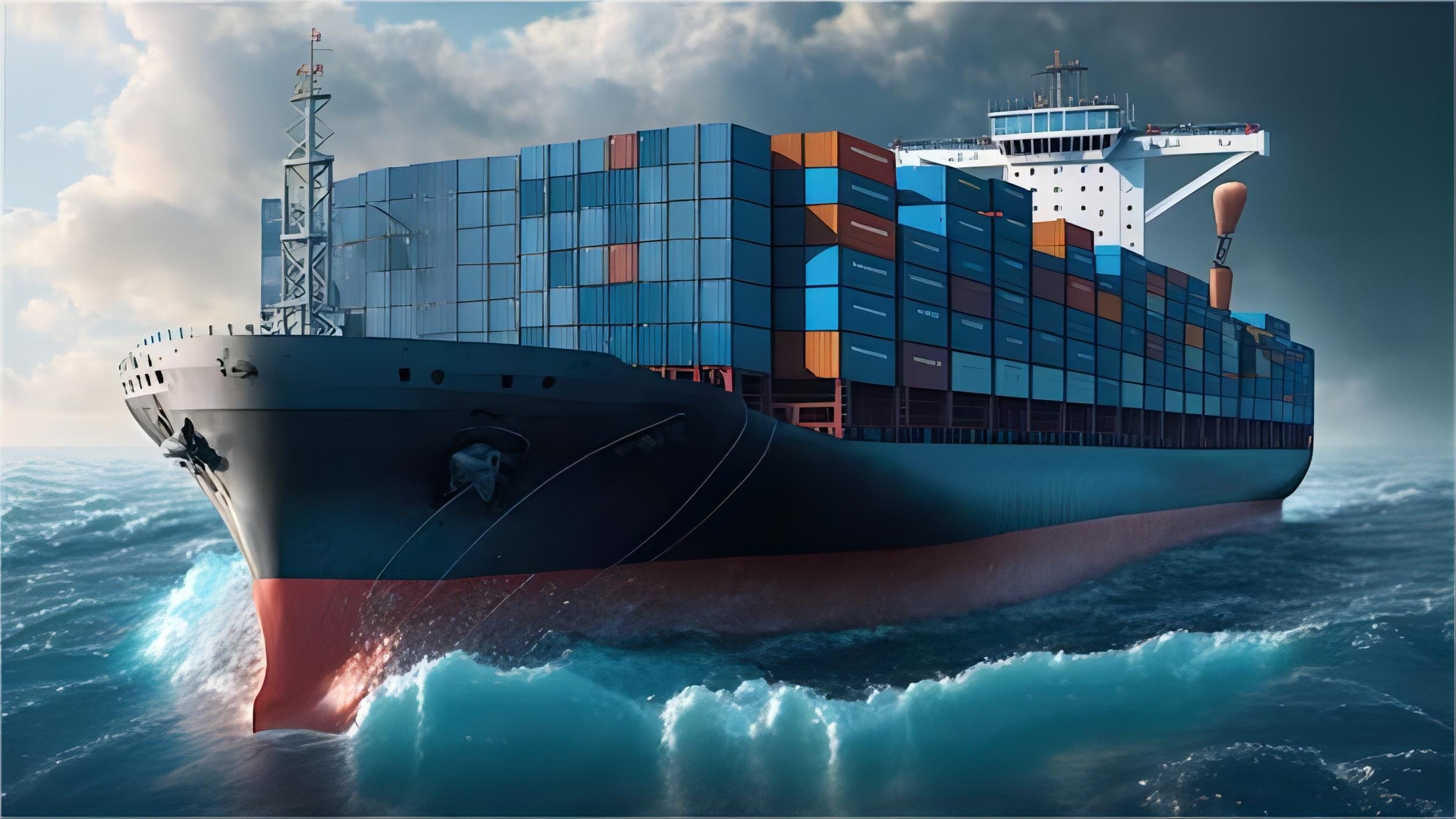
What are the Benefits of FCL Shipping China Saudi Arabia?
Full Container Load (FCL) shipping offers a dedicated space for your goods, which significantly reduces the risk of damage during transit. Consequently, this method is ideal for businesses moving large volumes of products that require exclusive use of a 20ft or 40ft container.
Moreover, FCL shipments generally experience faster handling times at ports because they do not require the consolidation process associated with smaller shipments. This efficiency ensures that your inventory reaches the Saudi market more predictably than other sea-based options.
Security is another major advantage of choosing sea freight in a full container. Since the container is sealed at the point of origin and only opened at the destination, the possibility of theft or tampering is greatly minimized.
How Does FCL Shipping Compare to Other Shipping Options?
Choosing the right shipping method depends on your budget, cargo volume, and required delivery speed. While FCL is excellent for large shipments, other alternatives like LCL or air freight might suit specific urgent needs.
For example, air freight is significantly faster but comes at a much higher cost per kilogram. Meanwhile, FCL provides the best balance of cost and capacity for bulk commodities and manufactured goods.
Below is a comparison to help you understand the trade-offs between different logistics strategies for the China-Saudi route.
| Shipping Method | Cost Range | Transit Time | Best For |
|---|---|---|---|
| FCL (20GP) | $1,200 – $2,200 | 20-30 Days | Bulk goods and large inventory |
| LCL (Per CBM) | $80 – $150 | 25-35 Days | Small shipments under 15 CBM |
| Air Freight | $4.50 – $8.00/kg | 3-7 Days | High-value or urgent items |
| Express | $7.00 – $12.00/kg | 2-5 Days | Samples and small parcels |
Major Ports Involved in FCL Shipping China Saudi Arabia
China boasts several world-class ports that serve as the primary exit points for goods destined for the Middle East. Most FCL shipments originate from major hubs like Shanghai, Ningbo, Shenzhen, and Qingdao due to their high frequency of vessel departures.
On the other hand, Saudi Arabia has strategically located ports such as Jeddah Islamic Port on the Red Sea and King Abdulaziz Port in Dammam on the Arabian Gulf. Selecting the right destination port is crucial for minimizing inland transportation costs within the Kingdom.
Furthermore, using a professional customs brokerage service at these ports can expedite the clearance process. Experts understand the local port authority requirements and can prevent unnecessary storage fees or delays.
Understanding the Costs of Container Shipping
Freight rates for FCL shipping China Saudi Arabia are influenced by several factors, including seasonal demand and fuel surcharges. Generally, prices tend to rise during the peak season from August to October as retailers prepare for year-end sales.
Additionally, the type of container you choose, such as a 20GP, 40GP, or 40HQ, will impact the total ocean freight cost. It is also important to account for local charges at both the origin and destination ports to calculate your total landed cost.
Note: Freight rates are subject to change based on fuel costs, carrier capacity, and seasonal demand. Contact us for a current quote tailored to your specific shipment.
Essential Documentation for Saudi Arabia Customs
Importing goods into Saudi Arabia requires strict adherence to documentation standards to avoid penalties or cargo rejection. The most critical documents include the Commercial Invoice, Packing List, and Certificate of Origin.
In addition, many products must comply with the SABER platform requirements and obtain a SASO Certificate of Conformity. Failure to provide these digital certificates will result in the shipment being held at the port of entry.
Therefore, working with a provider that offers door to door solutions can be highly beneficial. This service typically includes the management of all necessary paperwork, ensuring a seamless transition through customs checkpoints.
Real-World Case Studies: FCL Shipping Success
Examining real scenarios provides valuable insight into how professional logistics management overcomes common shipping hurdles. These examples represent typical shipments handled during the 2024-2025 period.
Case Study 1: Electronics Distribution
Route: Shenzhen, China to Jeddah, Saudi Arabia. Cargo: Consumer Electronics, 28 CBM, 8,500 kg. Container: 20GP. Shipping Details: Direct carrier service via COSCO. Sea Transit: 22 days. Total Door-to-Door: 32 days. Total Landed Cost: $3,450. Key Insight: Early booking during the off-peak season saved the client 15% on ocean freight.
Case Study 2: Industrial Machinery
Route: Ningbo, China to Dammam, Saudi Arabia. Cargo: Manufacturing Equipment, 55 CBM, 12,000 kg. Container: 40HC. Shipping Details: Transshipment via Singapore. Sea Transit: 28 days. Total Door-to-Door: 40 days. Total Landed Cost: $5,200. Key Insight: Proper crating and secure loading prevented damage during the transshipment process.

Which Option Should You Choose for Your Business?
Determining the best shipping strategy requires evaluating your specific business priorities and cargo characteristics. If your primary goal is cost-effectiveness for a large volume of goods, FCL is undoubtedly the superior choice.
However, if you are an e-commerce seller shipping smaller batches directly to warehouses, you might consider Amazon FBA logistics services. These specialized routes are optimized for frequent, smaller shipments that require rapid processing.
Finally, always consider the urgency of the delivery. While sea freight is economical, hybrid solutions like sea-air can sometimes provide a middle ground for shipments that are too heavy for pure air freight but too urgent for standard sea transit.
Final Thoughts on FCL Shipping to Saudi Arabia
Successfully managing FCL shipping China Saudi Arabia requires a deep understanding of maritime routes, port operations, and Saudi customs laws. By selecting the right container size and leveraging professional logistics support, businesses can significantly reduce their transit times and costs.
Furthermore, staying informed about market trends and seasonal price fluctuations allows for better budget planning and inventory management. Whether you are importing electronics, machinery, or textiles, FCL remains the most robust method for international trade between these two economic hubs.
In conclusion, partnering with an experienced freight forwarder ensures that your cargo is handled with care and reaches its destination without unnecessary complications.

Ready to streamline your logistics?
Ready to optimize your supply chain with reliable FCL shipping China Saudi Arabia? Contact our expert team today to receive a competitive quote and personalized logistics plan. Send Inquiry: Visit https://chinatranslink.com/contact-us/
Request Quote