
Amazon FBA Shipping China for Ecommerce: The 2025 Logistics Guide
Navigating the complexities of amazon fba shipping china for ecommerce requires a deep understanding of global logistics. Indeed, many sellers find themselves overwhelmed by fluctuating freight rates and strict customs requirements. Consequently, choosing a reliable partner is essential for maintaining a competitive edge in the digital marketplace. This guide provides a comprehensive overview of how to navigate international shipping while maintaining your bottom line through efficient supply chain management.
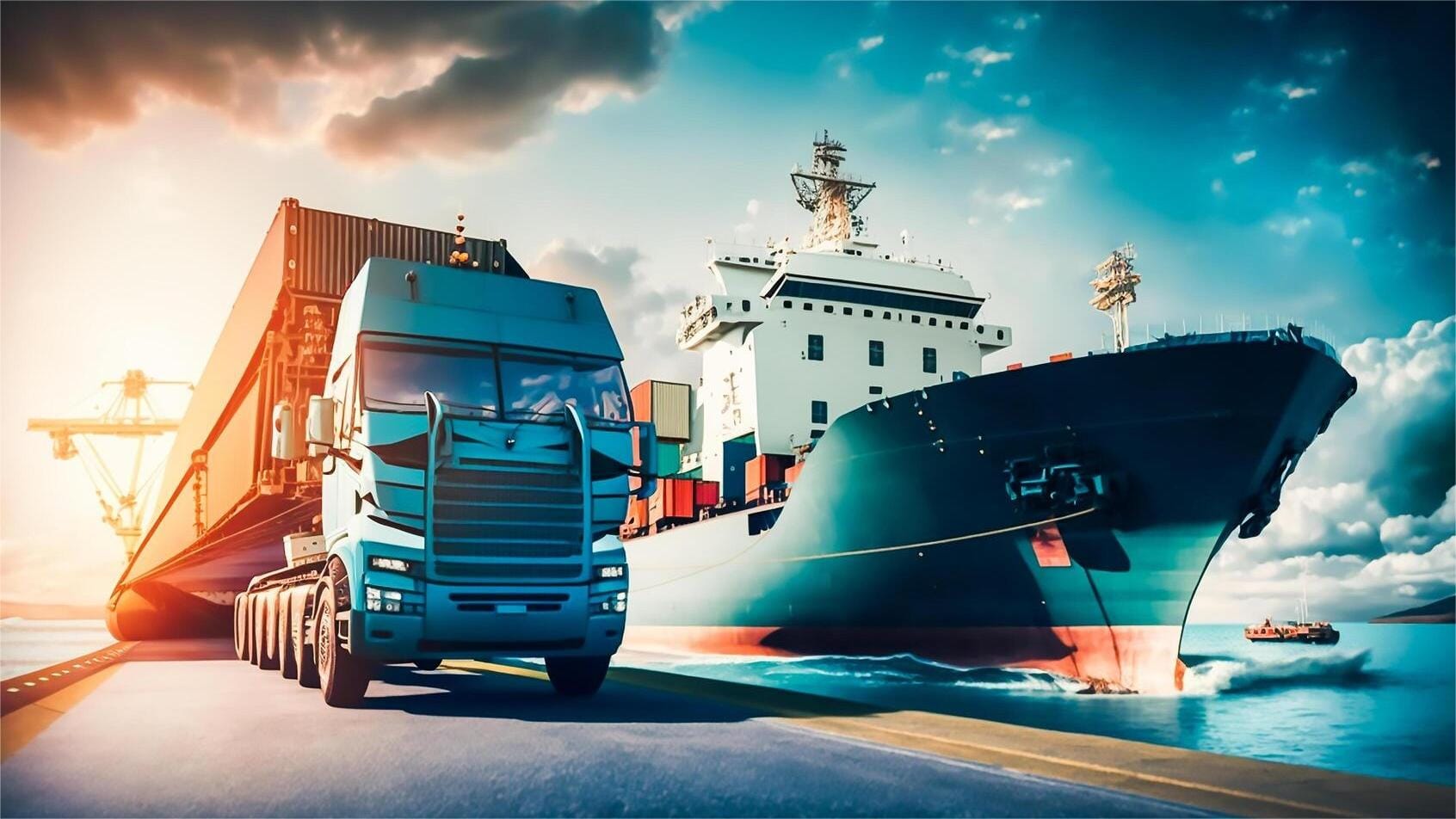
Understanding Amazon FBA Shipping China for Ecommerce
Managing the logistics of an online business involves more than just finding a supplier. Specifically, you must coordinate the movement of goods from a Chinese factory to an Amazon fulfillment center. This process requires meticulous planning and a clear understanding of import regulations. Moreover, the efficiency of your logistics directly impacts your profit margins and customer satisfaction levels.
Successful sellers prioritize speed and cost-effectiveness when arranging their shipments. Meanwhile, the rise of global trade has introduced more complex compliance standards that every merchant must follow. Therefore, staying updated on logistics trends is no longer optional for those who want to scale their brand. Implementing a robust strategy ensures that your inventory arrives on time and in perfect condition.
How Does Sea Freight Compare to Other Shipping Options?
While sea freight is the most popular choice for bulk inventory, it is not always the best fit for every scenario. For example, smaller shipments might benefit more from air or rail options depending on the destination. Additionally, the choice between Full Container Load (FCL) and Less than Container Load (LCL) can significantly affect your total landed cost. Consequently, evaluating all alternatives is necessary before booking your cargo.
Sea transport offers the lowest cost per unit for large volumes of goods. On the other hand, the transit time is significantly longer than other methods, often taking several weeks. Therefore, you must plan your inventory cycles well in advance to avoid stockouts. Use the table below to compare the primary shipping methods available for your ecommerce business.
| Shipping Method | Cost Range | Transit Time | Best For | Limitations |
|---|---|---|---|---|
| Sea Freight | $1,500 – $4,200 | 25 – 45 Days | Bulk Shipments | Slow Transit |
| Air Freight | $5 – $12 per kg | 5 – 10 Days | High Value Goods | High Cost |
| Rail Freight | $1,000 – $2,500 | 18 – 25 Days | Europe Routes | Limited Access |
| Express | $8 – $15 per kg | 3 – 5 Days | Urgent Samples | Very Expensive |
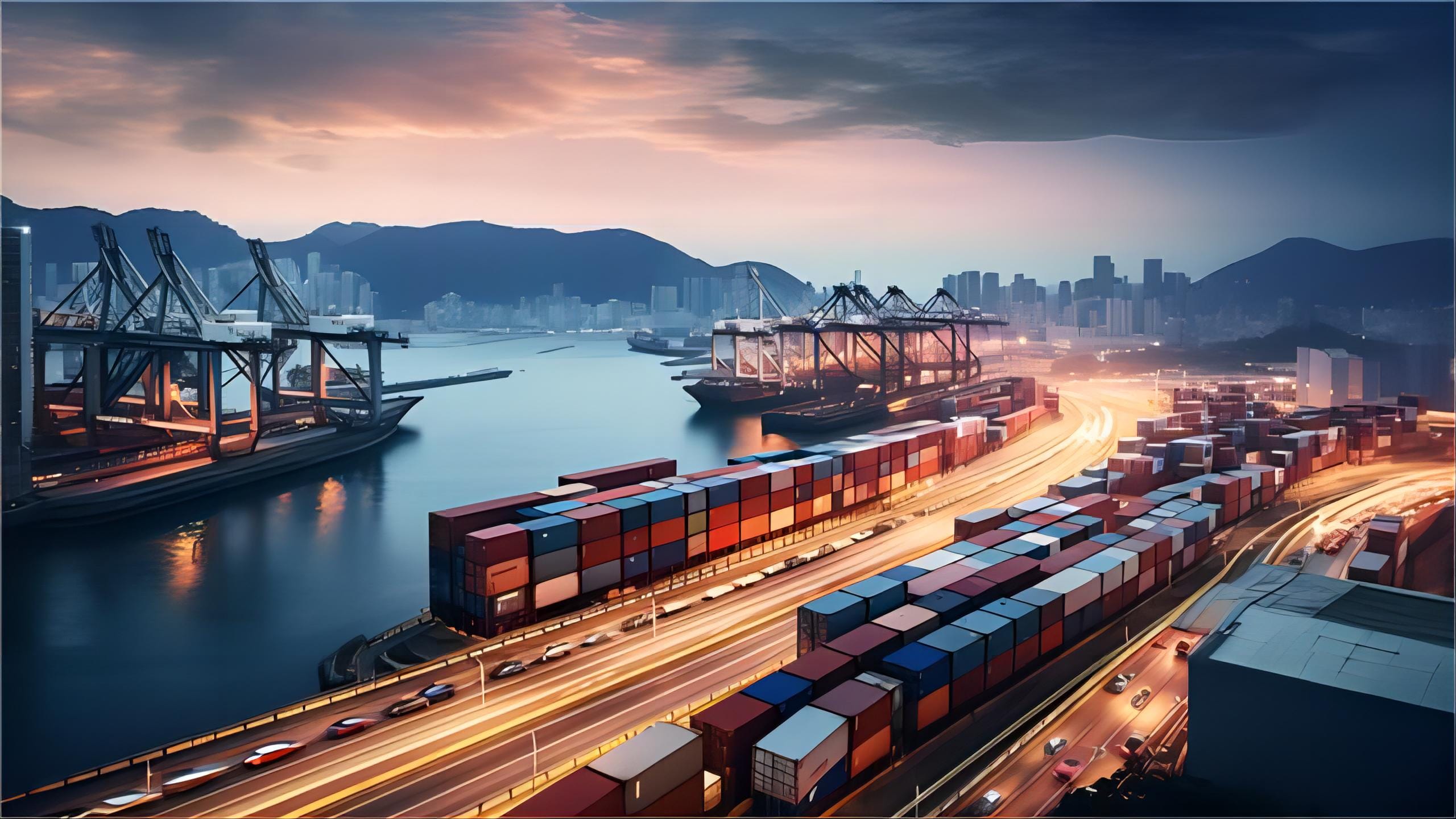
Navigating Customs Brokerage and Compliance
Professional customs brokerage services are vital for preventing delays at the border. Indeed, incorrect documentation is the leading cause of shipment seizures and fines for Amazon sellers. Furthermore, each country has unique tax structures and duty rates that you must calculate accurately. Consequently, working with experts ensures that your paperwork complies with both Chinese export laws and local import regulations.
Sellers should prepare a comprehensive checklist of required documents before the cargo leaves the port. For instance, the commercial invoice, packing list, and bill of lading must match perfectly. Additionally, certain products require specific certifications or lab test results to pass inspection. As a result, proactive compliance management saves time and reduces the risk of unexpected expenses during the clearance process.
Why Air Freight is Critical for Peak Season Success
Utilizing air freight becomes essential during the high-demand months of Q4. For example, when sea ports are congested, air transport provides a reliable way to restock inventory quickly. Moreover, the shorter transit time allows for a more agile response to sudden shifts in market demand. Consequently, many ecommerce brands use a hybrid approach, shipping their main stock by sea and urgent refills by air.
Air cargo handling is generally safer for fragile or high-value items compared to ocean transit. Nevertheless, the environmental impact and higher fuel surcharges are factors that sellers must consider. Therefore, it is wise to reserve air capacity early during peak seasons to avoid skyrocketing rates. Without a doubt, the speed of air delivery can be the difference between a successful holiday season and lost sales.
Evaluating Door to Door Logistics for Amazon Sellers
Choosing door to door services simplifies the entire movement of your goods. This method covers everything from factory pickup in China to final delivery at the fulfillment center. Additionally, it eliminates the need for the seller to manage multiple logistics providers. Consequently, you can focus on marketing and sales while the freight forwarder handles the operational details.
The Amazon FBA model requires precise labeling and palletization to meet warehouse standards. Fortunately, integrated logistics providers often offer prep services to ensure your products are ready for immediate storage. Therefore, these end-to-end solutions reduce the likelihood of Amazon rejecting your shipment. Ultimately, a streamlined door-to-door process enhances the overall efficiency of your supply chain.
Shipping from China to North America, Europe, and Australia
Routes to North America typically involve major hubs like Los Angeles or New York. Meanwhile, shipping to Europe often involves a choice between sea routes through the Suez Canal or rail freight across Eurasia. For those targeting Australia, sea transit is the primary option due to the geographical location. Consequently, your strategy must adapt based on the specific requirements of each region.
Market data suggests that freight rates to the US West Coast remain more competitive than East Coast routes. On the other hand, European logistics are currently recovering from regional disruptions, leading to more stable transit times in early 2025. Furthermore, Australian customs are particularly strict regarding bio-security and wood packaging materials. Therefore, understanding these regional nuances is crucial for any global ecommerce expansion.
Realistic Case Studies of Amazon FBA Shipping
Reviewing real-world examples helps sellers understand the actual costs and timelines involved in international trade. These scenarios reflect typical market conditions and highlight potential challenges. Moreover, they provide a benchmark for your own logistics planning. Note: Freight rates are subject to change based on fuel costs, carrier capacity, and seasonal demand. Contact us for a current quote tailored to your specific shipment.
Case Study 1: Electronics Shipment to Los Angeles Route: Shenzhen, China to Los Angeles, USA Cargo: Consumer Electronics, 28 CBM, 4500 kg Container: 40GP Shipping Details: – Carrier: Major carrier – Port of Loading: Shenzhen – Port of Discharge: Los Angeles – Route Type: Direct Cost Breakdown: – Ocean Freight: $3,200 – Origin Charges: $450 – Destination Charges: $600 – Customs and Duties: $1,200 – Total Landed Cost: $5,450 Timeline: – Booking to Loading: 4 days – Sea Transit: 16 days – Customs Clearance: 3 days – Total Door-to-Door: 23 days Key Insight: Direct shipping saved 5 days compared to transshipment options.
Case Study 2: Home Decor to London Route: Ningbo, China to Felixstowe, UK Cargo: Wooden Furniture, 12 CBM, 2200 kg Container: LCL (Less than Container Load) Shipping Details: – Carrier: Major carrier – Port of Loading: Ningbo – Port of Discharge: Felixstowe – Route Type: Transshipment via Singapore Cost Breakdown: – Ocean Freight: $1,100 – Origin Charges: $300 – Destination Charges: $400 – Customs and Duties: $300 – Total Landed Cost: $2,100 Timeline: – Booking to Loading: 6 days – Sea Transit: 32 days – Customs Clearance: 4 days – Total Door-to-Door: 42 days Key Insight: LCL was more economical than a full container for this mid-sized volume.

Which Shipping Option Should You Choose?
Determining the best method requires a balance between your budget and your delivery schedule. For instance, if your priority is low cost, sea freight is the clear winner for large volumes. However, if you are launching a new product and need to test the market quickly, air freight might be worth the investment. Additionally, consider the nature of your cargo, as heavy items are prohibitively expensive to ship by air.
Volume thresholds often dictate when you should switch from LCL to FCL. Generally, once your shipment exceeds 15 CBM, booking a full 20GP container becomes more cost-effective. Furthermore, hybrid solutions like sea-air combinations can offer a middle ground for both price and speed. Therefore, evaluate your inventory needs against the following criteria to make an informed decision.
| Priority | Recommended Method | Typical Volume | Estimated Cost |
|---|---|---|---|
| Budget | Sea Freight (FCL) | > 20 CBM | $2,500 – $4,000 |
| Speed | Air Freight | < 500 kg | $5 – $10 / kg |
| Reliability | Rail Freight | 10 – 20 CBM | $1,500 – $2,500 |
| Small Batches | Express Service | < 100 kg | $8 – $15 / kg |
Mastering Your Ecommerce Logistics
To summarize, mastering <a href=”https://chinatranslink.com/services/amazon-fba/”>amazon fba shipping china for ecommerce</a> is essential for long-term growth. By understanding the differences between sea, air, and rail freight, you can make smarter financial decisions. Furthermore, partnering with a professional logistics provider ensures that your customs brokerage and door-to-door delivery are handled with expertise.
Indeed, the global marketplace rewards those who can manage their inventory with efficiency and precision. As you scale your business, continue to evaluate your shipping strategies and adapt to changing market conditions. Ultimately, a reliable logistics framework is the foundation of every successful Amazon FBA venture.
Ready to streamline your logistics?
Ready to optimize your supply chain and reduce costs? Contact China Trans Link today for a personalized quote on your next shipment. Send Inquiry here: https://chinatranslink.com/contact/
Request Quote