China to Canada Shipping Small Business Guide 2025
Navigating the complexities of china to canada shipping small business operations requires a strategic partner like China Trans Link. Consequently, many entrepreneurs find the logistics landscape daunting without professional guidance. This guide provides actionable insights into optimizing your supply chain and reducing overhead costs. Furthermore, understanding the nuances of international trade will empower your business to scale efficiently. Transitioning from a small startup to a robust importer involves mastering various shipping methods and regulatory requirements in North America.

Why Small Businesses are Importing from China to Canada
Small businesses across Canada increasingly look to Chinese manufacturers for high-quality, cost-effective products. Indeed, the manufacturing prowess of China allows Canadian retailers to maintain healthy profit margins. Meanwhile, the variety of goods available ensures that every niche market is well-served.
Establishing a reliable supply chain remains a top priority for these growing enterprises. Therefore, choosing the right logistics strategy becomes a competitive advantage. Additionally, the rise of e-commerce has simplified the process of finding and vetting overseas suppliers.
However, the distance between these two nations introduces significant logistical hurdles. For example, fluctuating fuel prices and port congestion can impact your delivery schedule. Nevertheless, with proper planning, you can mitigate these risks effectively.
Choosing the Right Shipping Method for Your Business
Selecting the appropriate transport mode depends heavily on your budget and urgency. For instance, air freight provides the fastest transit times for high-value inventory. Conversely, it carries a higher price tag that might strain a small business budget.
Many startups prefer express service for smaller parcels and samples. Because this method includes door-to-door delivery, it simplifies the initial import process. Moreover, the tracking capabilities allow you to monitor your goods in real-time.
Standard air freight typically suits shipments ranging from 100kg to 500kg. Although it is more expensive than sea transport, the reduced transit time improves your cash flow. Consequently, you can restock popular items quickly without holding excessive safety stock.
How Does Sea Freight Compare to Other Shipping Options?
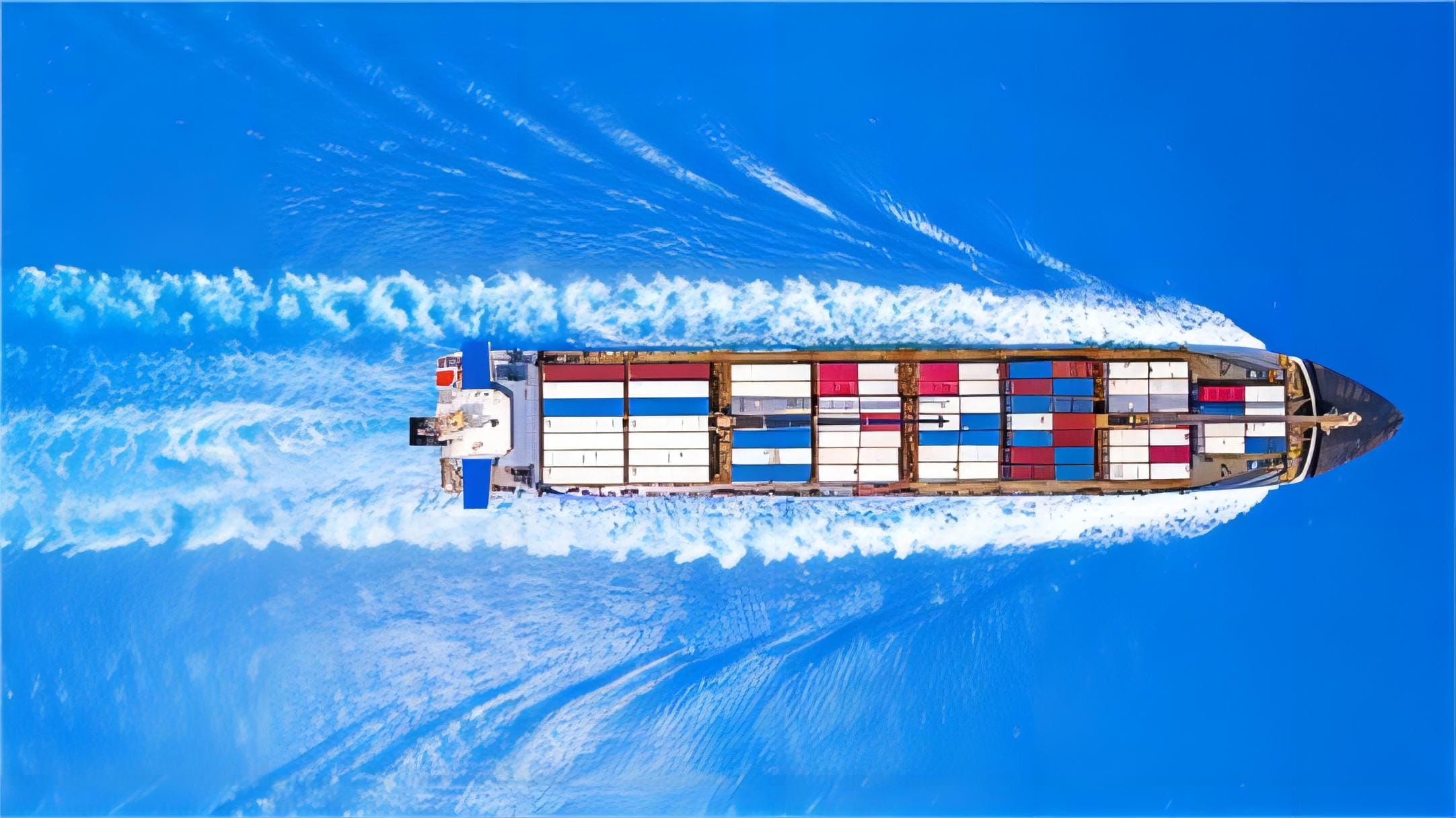
Ocean transport remains the backbone of global trade due to its incredible cost-efficiency. For example, sea freight is significantly cheaper than air transport for bulky or heavy items. Small businesses often utilize Less than Container Load (LCL) to save money.
LCL allows you to share container space with other importers, paying only for the volume you use. On the other hand, Full Container Load (FCL) provides better security and faster handling for larger volumes. Therefore, you should evaluate your shipment size before making a final decision.
While sea freight costs $2,000-3,500 for a 40HQ container, air freight for the same volume would cost $15,000-25,000. However, the ship arrives in 30-40 days instead of the 5-7 days required for air transport. This trade-off between speed and cost is a critical consideration for your supply chain.
| Shipping Method | Cost Range | Transit Time | Best For |
|---|---|---|---|
| Express | High ($8-12/kg) | 3-5 Days | Samples, Urgent Docs |
| Air Freight | Medium ($5-8/kg) | 5-10 Days | High-Value, Small Items |
| LCL Sea | Low ($50-150/CBM) | 30-45 Days | Medium Shipments |
| FCL Sea | Lowest (Per Container) | 25-40 Days | Bulk Inventory |
Navigating Customs and Duties in Canada
Importing goods into Canada requires a thorough understanding of the Canada Border Services Agency (CBSA) regulations. For instance, you must correctly classify your products using the Harmonized System (HS) codes. In addition, accurate documentation prevents costly delays at the border.
Small businesses often benefit from hiring a professional customs brokerage service. These experts ensure that all duties and taxes are calculated correctly. Furthermore, they can advise on specific trade agreements that might reduce your overall costs.
Customs duties vary significantly based on the product category and country of origin. Moreover, the Goods and Services Tax (GST) usually applies to most imported items. Consequently, failing to account for these costs can erode your profit margins unexpectedly.
Essential Customs Documentation Checklist
Commercial Invoice: Detailing the buyer, seller, and price paid. Packing List: Describing the contents and weight of each package. Bill of Lading: Issued by the carrier to acknowledge receipt of cargo. Certificate of Origin: Proving where the goods were manufactured.
Which Option Should You Choose for Your Business?
Determining the best logistics path requires a clear understanding of your business priorities. If budget is your primary concern, LCL sea freight is usually the most logical choice. However, if you need to meet a strict product launch deadline, air freight is superior.
Cargo type also plays a major role in your decision-making process. For example, fragile or perishable goods might require the speed and stability of air transport. Meanwhile, durable goods like furniture are perfect for ocean containers.
Volume thresholds often dictate when to switch from one method to another. Typically, shipments over 15 CBM become more economical as FCL rather than LCL. Therefore, tracking your growth will help you optimize your shipping strategy over time.
Leveraging Amazon FBA for Canadian Sellers
Many small businesses use Amazon FBA to streamline their fulfillment process. By shipping directly from China to Amazon warehouses in Canada, you reduce local handling time. Additionally, this approach allows you to focus on marketing and sales.
Logistics providers specializing in FBA understand the strict labeling and packaging requirements. Consequently, they help you avoid rejection at the fulfillment center. Moreover, they can manage the final mile delivery to ensure your products are Prime-eligible.
Indeed, integrating your supply chain with Amazon can significantly boost your visibility. Nevertheless, you must maintain a consistent delivery schedule to avoid stockouts. This requires a reliable freight forwarder who understands the nuances of the Canadian market.
The Benefits of Door to Door Logistics
Managing multiple logistics providers can be overwhelming for a small team. Therefore, opting for door to door services simplifies your operations. This comprehensive solution covers everything from factory pickup to final delivery.
Working with a single point of contact reduces the risk of communication errors. Furthermore, it often results in more predictable shipping costs. Because the provider handles customs and local trucking, you save valuable time.
Without a doubt, this method is the most hands-off approach for busy entrepreneurs. In contrast, managing each leg of the journey independently might save a few dollars but increases stress. For most small businesses, the convenience far outweighs the minor cost difference.
Real-World Case Studies for Small Business Shipping
Case Study 1: Shenzhen to Vancouver. A small electronics retailer imported 5 CBM of accessories via LCL. The total ocean freight cost was $650, with a transit time of 22 days. As a result, they successfully stocked their shelves before the holiday rush.
Case Study 2: Ningbo to Toronto. A furniture startup shipped a 40HQ container of home decor. The total landed cost including duties was $7,800, taking 35 days door-to-door. Consequently, they achieved a 40 percent profit margin on their first collection.
Case Study 3: Shanghai to Montreal. An apparel brand used air freight for a 200kg seasonal launch. The cost was $1,400, but the goods arrived in 6 days. This speed allowed them to capitalize on a viral social media trend immediately.
Case Study 1: Electronics Startup Success
Route: Shenzhen, China to Vancouver, Canada. Cargo: Electronic accessories, 5 CBM, 1,200 kg. Method: LCL Sea Freight. Ocean Freight: $650. Transit: 22 days. Key Insight: Consolidating cargo reduced costs by 30 percent compared to air.
Case Study 2: Furniture Import Logistics
Route: Ningbo, China to Toronto, Canada. Cargo: Home furniture, 40HQ Container. Method: FCL Sea Freight. Total Landed Cost: $7,800. Transit: 35 days. Key Insight: Direct shipping to Toronto via rail-bridge saved 5 days of transit time.
Final Thoughts on Shipping from China to Canada
Mastering the nuances of china to canada shipping small business logistics is a journey of continuous improvement. By selecting the right shipping methods and partners, you can significantly reduce costs and improve delivery times. Always stay informed about market trends and regulatory changes to maintain your competitive edge.
Professional freight forwarders provide the expertise needed to navigate this complex landscape. Whether you choose sea or air, prioritize reliability and transparency in your supply chain. Ultimately, a robust logistics strategy is the foundation of a successful international business.
Ready to streamline your logistics?
Optimizing your china to canada shipping small business strategy is essential for long-term growth. Contact our expert team today to receive a personalized quote and streamline your logistics. Visit our inquiry page to start your journey toward hassle-free importing from China. Send Inquiry: https://chinatranslink.com/
Request Quote