China Shipping Agent Quote: How to Get the Best Freight Rates
Finding a reliable china shipping agent quote is the first step toward building a successful international supply chain. Many importers struggle with hidden fees and complex logistics terminology when evaluating their shipping options. Consequently, this guide provides a comprehensive breakdown of everything you need to know about freight pricing and service selection to ensure your cargo arrives safely and affordably.
What Factors Influence Your China Shipping Agent Quote?
Understanding the primary drivers of logistics costs helps you negotiate better terms with your freight forwarder. Carriers calculate rates based on cargo weight, volume, and the distance between the origin and destination ports. Additionally, fuel surcharges fluctuate weekly, which directly impacts the final price you see on your paperwork.
Moreover, the specific mode of transport significantly dictates the overall expense and speed of your delivery. For instance, choosing rail freight offers a middle ground between the speed of air and the low cost of sea transport. You should also consider the seasonality of global trade, as rates often spike during peak shipping months.
Furthermore, cargo handling fees and documentation costs are essential components of any professional estimate. Every shipment requires specific paperwork, such as a bill of lading, commercial invoice, and packing list. If these documents contain errors, you might face unexpected storage fees or customs delays that increase your total landed cost.
Accurate measurements are vital for preventing surprise charges once the carrier receives your goods. In fact, many agents use volumetric weight calculations for lighter but bulkier items. Therefore, you must provide precise dimensions to ensure your initial quote remains valid throughout the entire shipping process.

How Does Sea Freight Compare to Other Shipping Options?
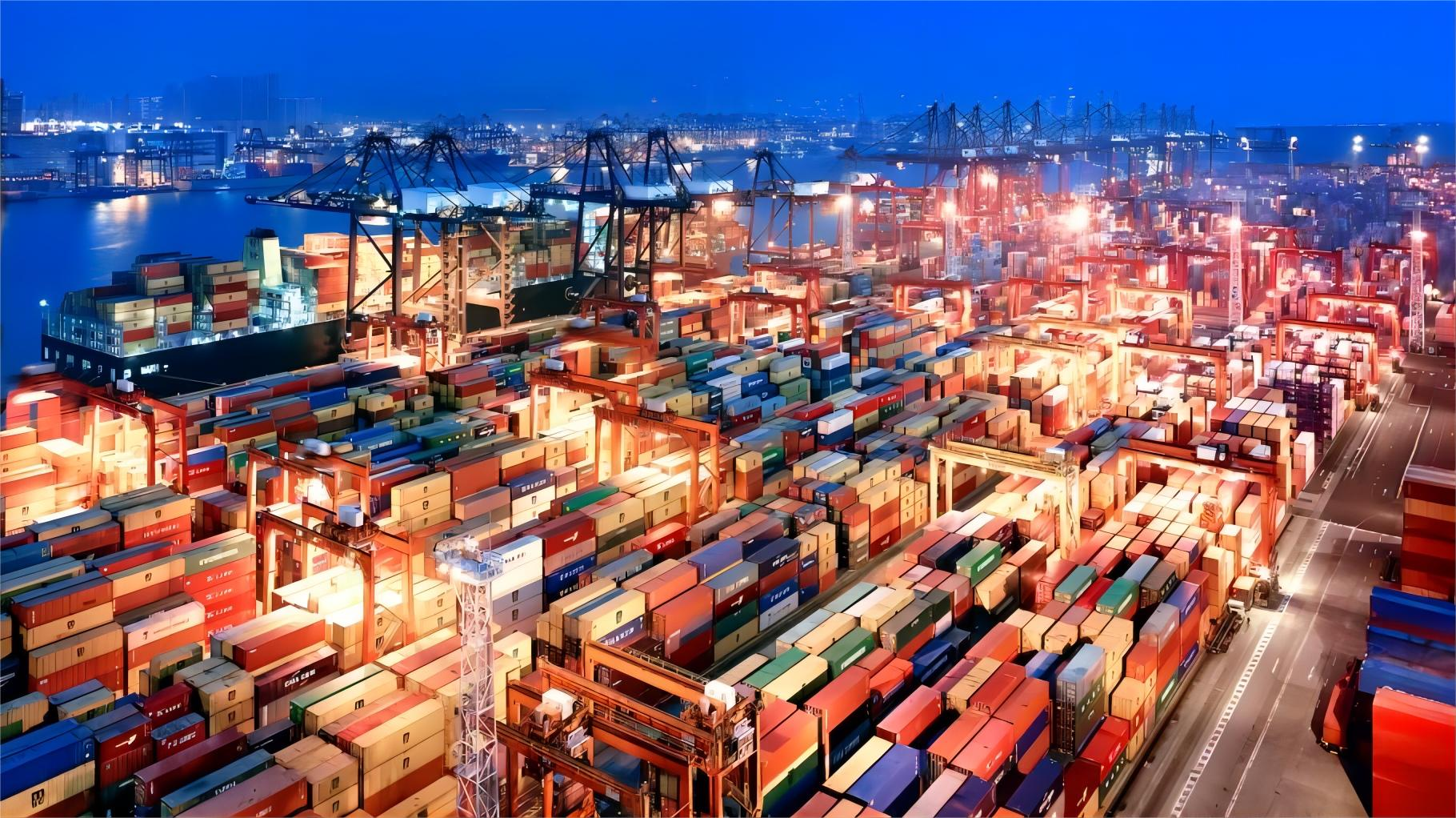
Choosing sea freight remains the most popular choice for businesses moving large volumes of goods across the globe. This method provides the lowest cost per unit for heavy or oversized items. However, the transit time is significantly longer than other alternatives, often taking several weeks to reach distant ports.
Specifically, ocean transport is ideal for non-urgent shipments where budget optimization is the primary goal. You can choose between Full Container Load (FCL) or Less than Container Load (LCL) depending on your inventory size. Consequently, sea freight offers the flexibility needed for both small startups and massive corporations.
Meanwhile, air freight serves as the fastest option for high-value or time-sensitive products. While the cost is much higher, the reduced transit time can help you maintain lower inventory levels. This strategic trade-off allows businesses to respond quickly to market demands without waiting for slow ocean vessels.
In contrast, rail and road solutions provide specialized benefits for specific geographic regions. For example, rail connections between China and Europe have grown in popularity due to their consistent schedules. You should evaluate each method based on your specific deadline and budget constraints.
| Shipping Method | Cost Range | Transit Time | Best For |
|---|---|---|---|
| Sea Freight | Low ($1,500 – $5,000) | 20 – 45 Days | Bulk & Heavy Goods |
| Air Freight | High ($5 – $12/kg) | 3 – 7 Days | Urgent & High Value |
| Rail Freight | Medium ($2,500 – $6,000) | 15 – 22 Days | Landlocked Regions |
| Express | Very High ($8 – $15/kg) | 2 – 5 Days | Samples & Documents |
Why You Need an Accurate China Shipping Agent Quote for Air Freight
Requesting an air freight estimate requires detailed information about your cargo to ensure accuracy. Because planes have limited space and weight capacity, carriers apply strict pricing rules to every kilogram. Notably, the chargeable weight is the higher value between the actual gross weight and the volumetric weight.
Furthermore, air transport involves various surcharges that can quickly inflate your budget if not properly managed. These may include fuel surcharges, security fees, and airport handling charges. Professional agents will itemize these costs so you can see exactly where your money is going.
Indeed, speed is the primary advantage of air cargo, but it comes with a premium price tag. For instance, shipping electronics or fashion items via air ensures they reach the market while demand is still high. Consequently, many businesses use air freight to prevent stockouts during busy sales periods.
Additionally, the reliability of flight schedules makes it easier to plan your supply chain logistics. Most major airports in China offer daily flights to international hubs, providing multiple options for your delivery schedule. This consistency helps reduce the risk of long-term delays associated with port congestion.

The Role of Customs Brokerage in Your Shipping Costs
Navigating international regulations requires the expertise of a customs brokerage professional. These experts ensure your goods comply with both Chinese export laws and the import regulations of your destination country. Consequently, hiring a broker helps you avoid costly fines and lengthy inspections at the border.
Specifically, customs duties and taxes represent a significant portion of your total international shipping costs. These charges depend on the Harmonized System (HS) code assigned to your products. Therefore, you must ensure your agent uses the correct classification to prevent overpaying or facing legal issues.
Moreover, a professional broker manages all the necessary communication with government agencies on your behalf. They handle the submission of entry forms, payment of duties, and coordination of physical inspections if required. This service streamlines the clearance process and keeps your supply chain moving efficiently.
In addition, having a customs expert on your side provides peace of mind during complex trade disputes or policy changes. As global trade environments shift, staying compliant becomes increasingly difficult for individual importers. Professional logistics partners stay updated on the latest requirements to protect your business interests.
Case Studies: Real-World Shipping Scenarios
Real-world examples provide valuable context for understanding how logistics costs work in practice. Below are three detailed scenarios based on actual shipments handled during the 2024-2025 period. These cases illustrate the differences in cost, time, and method for various global routes.
Case Study 1: Electronics from Shenzhen to Hamburg ——————————————————— Route: Shenzhen, China to Hamburg, Germany Cargo: Consumer Electronics, 12 CBM, 2500 kg Container: LCL (Less than Container Load) Shipping Details: – Carrier: Major Ocean Carrier – Port of Loading: Shenzhen – Port of Discharge: Hamburg – Route Type: Direct Cost Breakdown: – Ocean Freight: $1,450 – Origin Charges: $350 – Destination Charges: $480 – Customs and Duties: $1,200 – Total Landed Cost: $3,480 Timeline: – Booking to Loading: 4 days – Sea Transit: 32 days – Customs Clearance: 3 days – Total Door-to-Door: 39 days Key Insight: Using LCL allowed the client to ship smaller volumes frequently without waiting to fill a whole container.
Case Study 2: High-Value Equipment from Shanghai to New York ——————————————————— Route: Shanghai, China to New York, USA Cargo: Medical Equipment, 2 CBM, 450 kg Method: Air Freight Shipping Details: – Service: Standard Air Cargo – Port of Loading: Shanghai Pudong (PVG) – Port of Discharge: New York (JFK) – Route Type: Direct Flight Cost Breakdown: – Air Freight: $2,925 ($6.50/kg) – Fuel and Security: $450 – Local Handling: $200 – Customs Brokerage: $150 – Total Landed Cost: $3,725 Timeline: – Pickup to Flight: 2 days – Air Transit: 1 day – Customs Clearance: 1 day – Total Door-to-Door: 4 days Key Insight: The rapid transit time justified the higher cost by allowing the hospital to receive critical equipment immediately.
Case Study 3: Furniture from Ningbo to Sydney ——————————————————— Route: Ningbo, China to Sydney, Australia Cargo: Home Furniture, 28 CBM, 4000 kg Container: 20GP (General Purpose) Shipping Details: – Carrier: Regional Ocean Line – Port of Loading: Ningbo – Port of Discharge: Sydney – Route Type: Direct Cost Breakdown: – Ocean Freight: $1,100 – Port Handling Fees: $300 – Documentation: $100 – Delivery to Warehouse: $400 – Total Landed Cost: $1,900 Timeline: – Booking to Loading: 5 days – Sea Transit: 16 days – Customs Clearance: 2 days – Total Door-to-Door: 23 days Key Insight: FCL shipping provided the best protection and lowest per-unit cost for this bulky furniture shipment.
Understanding Amazon FBA Logistics and Costs
Managing Amazon FBA shipments requires a specialized approach to logistics and documentation. Amazon has strict requirements for how goods must be labeled, palletized, and delivered to their fulfillment centers. Consequently, your shipping agent must be familiar with these rules to prevent rejected shipments.
Furthermore, freight forwarders often offer consolidated services specifically designed for Amazon sellers. This allows multiple sellers to share container space, significantly reducing the individual cost of transport. Indeed, this collaborative approach makes international selling accessible to smaller e-commerce businesses.
Additionally, you should factor in the cost of prep services such as kitting, labeling, and quality inspections. Many agents provide these services at their warehouses in China before the goods are shipped overseas. By catching defects early, you avoid the high cost of processing returns from international customers.
Finally, choosing the right delivery method to the FBA warehouse is crucial for maintaining your inventory levels. You can opt for sea-to-truck or sea-to-UPS services depending on your budget and urgency. Therefore, discuss these options with your agent to find the most efficient route for your specific business model.

How Does a Main Method Compare to Other Shipping Options?
Analyzing the differences between shipping methods allows you to make an informed decision for your business. While sea freight is the standard for most global trade, alternative strategies like sea-air or rail-sea can offer unique advantages. For instance, sea-air combinations can save up to 40% in time compared to ocean alone while remaining cheaper than pure air freight.
Moreover, the choice between FCL and LCL depends heavily on your shipment volume and budget. For shipments over 15 CBM, a 20GP container is often more economical than paying for LCL space. On the other hand, LCL is perfect for smaller batches that need to move quickly without the expense of a full container.
Specifically, you should consider the trade-offs between direct routes and transshipment options. Direct routes cost more but reduce the risk of damage during cargo handling at intermediate ports. Meanwhile, transshipment through hubs like Singapore or Port Klang can lower your freight rate if you have a flexible schedule.
| Shipping Method | Cost Range | Transit Time | Best For |
|---|---|---|---|
| Direct Ocean | $2,000 – $4,000 | 14 – 30 Days | High Reliability |
| Transshipment | $1,700 – $3,500 | 20 – 40 Days | Budget Savings |
| Sea-Air Hybrid | $3,000 – $6,000 | 10 – 18 Days | Urgent Balance |
| LCL Consolidation | $50 – $150/CBM | 25 – 45 Days | Small Shipments |
Which Option Should You Choose? A Decision Framework
Deciding on the best shipping method requires a clear understanding of your business priorities and cargo characteristics. If your primary goal is budget conservation, sea freight is almost always the superior choice for large volumes. However, if you are launching a new product and need it in stock immediately, air freight is the necessary investment.
Specifically, you should use a volume threshold to determine when to switch from LCL to FCL shipping. Most experts recommend switching to a full 20GP container once your cargo exceeds 15 cubic meters. This transition not only saves money but also reduces the risk of loss or damage during the consolidation process.
Furthermore, consider the nature of your cargo when selecting a carrier and service level. Fragile or high-value items benefit from the reduced handling found in air freight or direct ocean routes. To summarize, your decision should balance cost, speed, and safety based on the specific needs of your inventory.
Seasonal Trends and Market Conditions in 2025
Market data suggests that freight rates from China will continue to experience volatility throughout early 2025. Following the Red Sea disruptions of 2024, many carriers have adjusted their routes and surcharges to maintain profitability. Consequently, you should expect periodic updates to your shipping agent quote based on these global events.
Indeed, the peak season typically runs from August through October as retailers prepare for the holiday shopping rush. During this time, rates can increase by 15% to 25% due to high demand and limited equipment availability. Therefore, booking your shipments at least 3-4 weeks in advance is highly recommended to secure space.
Additionally, the Chinese New Year remains a critical period for all international importers. Most factories and logistics providers close for two weeks, creating a massive backlog of cargo. Planning your shipments around this holiday ensures that your supply chain remains operational without significant interruptions.
Note: Freight rates are subject to change based on fuel costs, carrier capacity, and seasonal demand. Contact us for a current quote tailored to your specific shipment.
Final Thoughts on Navigating Logistics Costs
Securing a competitive <a href=”https://chinatranslink.com/”>china shipping agent quote</a> requires a combination of preparation, market knowledge, and the right logistics partner. By understanding the factors that influence pricing, such as fuel surcharges and volumetric weight, you can better manage your landed costs. Additionally, choosing the appropriate shipping method—whether sea, air, or rail—ensures your goods arrive on time and within budget.
Furthermore, working with an experienced agent helps you navigate the complexities of customs brokerage and international trade regulations. This expertise prevents costly delays and ensures your business remains compliant with all legal requirements. As market conditions continue to evolve in 2025, staying informed and flexible will be your greatest advantage in global trade.
To summarize, always compare multiple options and consider the long-term value of a reliable shipping partner. While the lowest price might be tempting, the safety and speed of your cargo are equally important for maintaining customer satisfaction. Start your journey today by requesting a detailed china shipping agent quote tailored to your unique business needs.
Start Your Shipment
Ready to streamline your international logistics and secure the most competitive rates? Request your personalized china shipping agent quote today to see how our expert team can optimize your supply chain. Send Inquiry: Visit https://chinatranslink.com/ to get started with a professional consultation.
Request Quote