
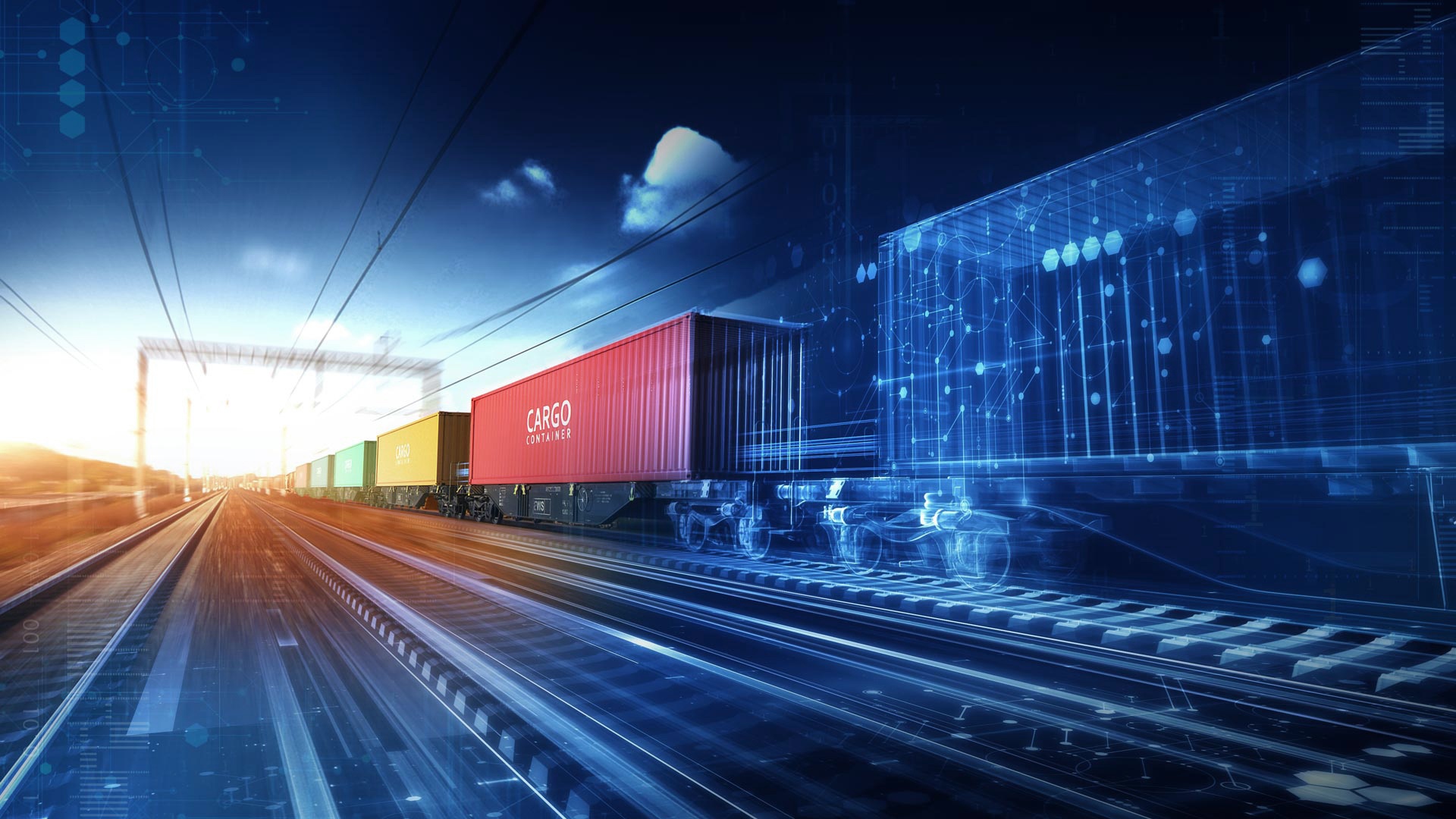
China to Europe Freight Service Fast Delivery Solutions 2026
Businesses seeking a reliable China to Europe freight service fast delivery often face complex logistical challenges regarding speed and cost. At China Trans Link, we provide comprehensive logistics solutions designed to streamline your international trade operations between Asian manufacturing hubs and European markets. This guide explores the most efficient transport methods available in 2026 to ensure your cargo arrives safely and on schedule.
What Defines a High Quality China to Europe Freight Service Fast Delivery?
Speed in international logistics involves more than just the movement of goods between ports. Consequently, a truly fast delivery service integrates efficient ground handling, rapid customs clearance, and optimized last-mile distribution. In the current 2026 market, shippers prioritize transparency and predictability over raw speed alone.
Reliable freight forwarders now utilize advanced tracking technologies to provide real-time updates for every shipment milestone. Furthermore, the integration of digital documentation has significantly reduced the time spent at border crossings. Therefore, selecting a partner who understands these technological shifts is essential for maintaining a competitive supply chain.
Effective logistics providers offer a variety of modes to suit different budget requirements and urgency levels. While air transport remains the fastest, rail and sea options have seen significant infrastructure improvements. As a result, businesses can now choose from a spectrum of transit times ranging from 3 to 45 days.
How Does Rail Freight Compare to Other Shipping Options?
Rail transport has emerged as a powerhouse for those seeking a middle ground between expensive air transit and slow ocean voyages. Specifically, the China-Europe Railway Express offers a balanced solution for high-value industrial goods and consumer electronics. Many shippers find that rail provides the stability needed for consistent inventory management.
Choosing rail freight allows companies to reduce their carbon footprint while maintaining relatively quick lead times. Moreover, the costs are generally 50 percent lower than air freight while being significantly faster than traditional sea routes. This makes it an ideal alternative for mid-sized shipments that cannot wait for a container ship.
However, rail logistics can be affected by geopolitical shifts and border congestion at key junctions like Małaszewicze. Despite these potential hurdles, the infrastructure investments made throughout 2025 have increased capacity and reduced bottlenecks. Indeed, the reliability of rail schedules has reached an all-time high in early 2026.
| Shipping Method | Cost Range | Transit Time | Best For | Limitations |
|---|---|---|---|---|
| Air Freight | $4.50 – $8.00/kg | 3 – 7 Days | Urgent/High Value | Highest Cost |
| Rail Freight | $120 – $180/CBM | 15 – 22 Days | Electronics/Auto | Fixed Routes |
| Sea Freight | $3,000 – $4,500/40HQ | 30 – 45 Days | Bulk/Low Value | Longest Transit |
| Express Service | $9.00 – $15.00/kg | 2 – 4 Days | Samples/Docs | Weight Limits |
Comparing Air and Sea Freight for European Deliveries
Determining the right mode of transport requires a deep understanding of your cargo volume and delivery deadlines. For instance, air freight is the go-to choice for perishable goods or seasonal product launches where time-to-market is critical. Nevertheless, the high cost per kilogram necessitates a careful cost-benefit analysis before booking.
On the other hand, sea freight remains the backbone of global trade due to its massive capacity and low unit cost. For large volumes of goods, ocean transport is nearly unbeatable in terms of economic efficiency. Additionally, modern mega-vessels have improved fuel efficiency, making this the most environmentally friendly option for bulk cargo.
Shippers often utilize a combination of Full Container Load (FCL) and Less than Container Load (LCL) strategies within sea freight. While FCL offers better security and faster handling, LCL allows smaller businesses to share container space and reduce overhead. Consequently, the choice between these two depends largely on the total cubic meters of the shipment.
Understanding Transit Times for Express Service
When time is the only factor that matters, express service provides the ultimate solution for China to Europe freight service fast delivery. This method typically utilizes dedicated courier networks to bypass traditional freight handling procedures. As a result, door-to-door delivery can often be achieved in less than 96 hours.
Pricing for express shipments is calculated based on either actual weight or volumetric weight, whichever is greater. Therefore, it is vital to optimize packaging to avoid unnecessary surcharges. Furthermore, most express providers include integrated customs handling, which further accelerates the final delivery phase.
Meanwhile, the rise of cross-border e-commerce has led to specialized express lines tailored for small parcels. These services offer a blend of speed and affordability that traditional couriers might lack. Accordingly, many online retailers prefer these dedicated lanes to satisfy European customer expectations for fast shipping.

Customs Brokerage and Documentation Requirements
Navigating the complexities of European customs is often the most significant cause of delivery delays. Engaging a professional customs brokerage ensures that all paperwork is compliant with current EU and UK regulations. Inaccurate HS codes or missing commercial invoices can lead to costly fines and storage fees.
Documentation requirements generally include a Bill of Lading, Packing List, Commercial Invoice, and Certificate of Origin. Additionally, certain products may require specific certifications such as CE marking or phytosanitary certificates. Without a doubt, preparing these documents in advance is the best way to prevent transit interruptions.
The implementation of the Import Control System 2 (ICS2) in 2025 has made pre-arrival data submission mandatory for all goods entering the EU. Consequently, freight forwarders must now provide detailed cargo information before the goods even leave China. This digital-first approach helps customs authorities identify risks early and speed up the release of legitimate shipments.
Which Option Should You Choose? Decision Framework
Selecting the optimal shipping method involves balancing three primary factors: budget, speed, and cargo characteristics. If your primary goal is cost reduction and you have a flexible timeline, sea freight is the logical choice. Conversely, if you are facing a stock-out situation, the premium cost of air freight is a necessary investment.
Budget priority: Recommend Sea Freight (FCL) for shipments over 15 CBM or LCL for smaller volumes to keep landed costs low. Speed priority: Recommend Air Freight or Express Service to ensure arrival within one week. Cargo type considerations: Hazardous materials or extremely heavy machinery may be restricted to specific sea or rail routes.
Hybrid solutions also offer a strategic advantage in 2026. For example, sea-air combinations involve shipping goods by sea to a hub like Dubai and then flying them to Europe. This approach can save up to 40 percent in costs compared to pure air freight while being twice as fast as pure sea freight. Meanwhile, rail-sea combinations are becoming popular for reaching inland European destinations.
| Destination City | Air Transit | Rail Transit | Sea Transit |
|---|---|---|---|
| Hamburg, Germany | 4-6 Days | 16-19 Days | 32-35 Days |
| Warsaw, Poland | 5-7 Days | 14-17 Days | 38-42 Days |
| Rotterdam, Netherlands | 3-5 Days | 18-21 Days | 30-33 Days |
| Lyon, France | 5-8 Days | 20-23 Days | 35-40 Days |
Real Case Studies: China to Europe Logistics Success
Examining real-world scenarios helps illustrate the practical application of different freight strategies. These cases reflect actual market conditions and pricing observed in early 2026. Each example highlights how specific logistics choices impact the final outcome of the shipment.
Case Study 1: Sustainable Electronics Distribution. Route: Shenzhen, China to Rotterdam, Netherlands. Cargo: Consumer electronics, 28 CBM, 4,500 kg. Container: 1x20GP. Shipping Details: Carrier: COSCO. Port of Loading: Shenzhen. Port of Discharge: Rotterdam. Route Type: Direct. Cost Breakdown: Ocean Freight: $2,100; Origin Charges: $450; Destination Charges: $600; Total Landed Cost: $3,150. Timeline: Total Door-to-Door: 36 days. Key Insight: Booking 3 weeks in advance secured a lower rate during the pre-CNY peak.
Case Study 2: Rapid Fashion Restock. Route: Shanghai, China to Frankfurt, Germany. Cargo: Apparel, 5 CBM, 1,200 kg. Method: Air Freight. Shipping Details: Carrier: Lufthansa Cargo. Port of Loading: Shanghai Pudong. Port of Discharge: Frankfurt Airport. Route Type: Direct. Cost Breakdown: Air Freight: $7,200; Customs & Handling: $550; Total Landed Cost: $7,750. Timeline: Total Door-to-Door: 6 days. Key Insight: Using a direct flight avoided transshipment delays in Hong Kong, ensuring the collection hit shelves on time.
Case Study 3: Industrial Component Supply. Route: Chengdu, China to Warsaw, Poland. Cargo: Automotive parts, 12 CBM, 3,200 kg. Method: Rail Freight (LCL). Shipping Details: Service: China Railway Express. Port of Loading: Chengdu Rail Terminal. Port of Discharge: Warsaw Terminal. Route Type: Direct via Kazakhstan. Cost Breakdown: Rail Freight: $1,920; Documentation: $300; Total Landed Cost: $2,220. Timeline: Total Door-to-Door: 20 days. Key Insight: Rail provided the necessary speed to prevent a production line stoppage at 30 percent of the cost of air freight.
Market Context and 2026 Logistics Trends
As of Q1 2026, freight rates from China to Europe have stabilized after the fluctuations seen in previous years. Industry benchmarks suggest that while fuel surcharges remain a factor, carrier capacity has reached a healthy equilibrium. Furthermore, the adoption of AI-driven route optimization has helped reduce transit times by an average of 10 percent across all modes.
Seasonal patterns still play a major role in pricing and availability. Specifically, rates typically increase 15-25 percent during the August-October peak season as retailers prepare for the holidays. Therefore, businesses are encouraged to plan their supply chain requirements at least two months in advance to avoid premium pricing.
Note: Freight rates are subject to change based on fuel costs, carrier capacity, and seasonal demand. Contact us for a current quote tailored to your specific shipment. Market data suggests that early booking remains the most effective strategy for securing competitive rates in the current environment.
Conclusion
Navigating the logistics landscape from China to Europe requires a strategic approach to balance speed and cost. Whether you choose the rapid transit of air freight or the economical scale of sea freight, understanding the nuances of each method is vital. By leveraging a professional China to Europe freight service fast delivery, you ensure that your business remains agile in a competitive global market.
To summarize, the best shipping choice depends on your specific cargo needs and delivery deadlines. Stay informed about market trends and maintain a flexible logistics strategy to overcome any global supply chain challenges that may arise in 2026.
Get Your Shipping Quote Today
Ready to optimize your supply chain with a China to Europe freight service fast delivery? Contact our expert team today to receive a customized quote and discover how we can streamline your international shipping. Visit our inquiry page to get started: Visit https://chinatranslink.com/
Request Quote