
Ocean Freight from China for Importers: 2026 Logistics Strategy
Navigating ocean freight from china for importers requires a sophisticated understanding of global logistics networks and current market dynamics. As of early 2026, the maritime industry has adapted to new environmental regulations and technological shifts that impact every shipment. China Trans Link offers comprehensive support for businesses looking to streamline their international trade operations. This guide provides actionable insights into managing your supply chain effectively while maintaining cost efficiency in a competitive landscape.
What is the Current State of Ocean Freight from China for Importers?
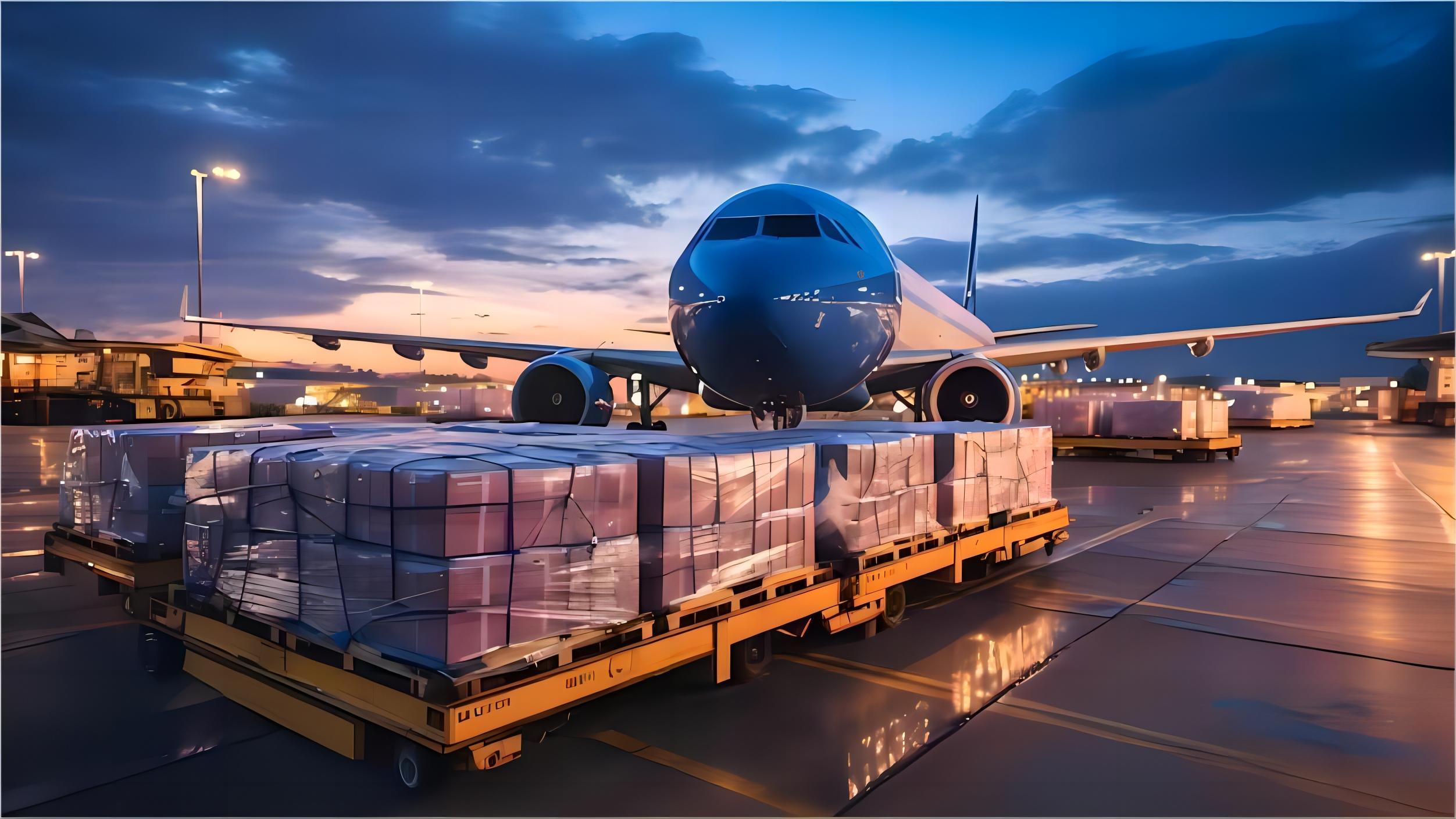
Market conditions in 2026 show a significant stabilization compared to previous years of disruption. Specifically, port infrastructure in major hubs like Shanghai and Ningbo has undergone massive automation upgrades to handle higher volumes. Consequently, importers now experience more predictable schedules and improved visibility throughout the transit process.
Furthermore, environmental regulations have led to a newer fleet of eco-friendly vessels. These ships often operate at slightly lower speeds to reduce emissions, which has marginally adjusted standard transit times. Nevertheless, the increased reliability of these modern carriers compensates for the minor changes in speed.
Importers must also account for seasonal fluctuations that remain a core part of the industry. For instance, the lead-up to the Lunar New Year and the Q3 peak season still see a 15-25 percent increase in freight rates. Planning your inventory cycles around these predictable windows is essential for maintaining healthy profit margins.
How Does Ocean Freight Compare to Other Shipping Options?
Choosing the right transportation mode depends heavily on your budget, cargo volume, and required delivery speed. While sea freight remains the most economical choice for bulk goods, it is not always the best fit for every scenario. Specifically, businesses must weigh the cost savings against the longer lead times inherent in maritime transport.
Alternatively, air freight provides a rapid solution for high-value or time-sensitive products. Although the costs are significantly higher, the reduction in transit time can be critical for product launches or inventory stock-outs. Consequently, many importers utilize a hybrid strategy to balance their logistics expenses.
Moreover, rail freight has emerged as a viable middle ground for shipments destined for Europe. It offers faster transit than the sea but at a lower cost than air. However, for destinations like North America or Australia, ocean freight and air freight remain the primary options due to geographical constraints.
| Shipping Method | Cost Range | Transit Time | Best For |
|---|---|---|---|
| Ocean Freight | $1,500 – $6,000 | 14 – 40 Days | Bulk goods and large volumes |
| Air Freight | $5,000 – $25,000 | 5 – 7 Days | High-value or urgent cargo |
| Rail Freight | $3,000 – $8,000 | 15 – 22 Days | Mid-range urgency to Europe |
| Express Service | $200 – $2,000+ | 3 – 5 Days | Small parcels and samples |
Understanding FCL vs LCL for Your Cargo
Determining whether to use Full Container Load (FCL) or Less than Container Load (LCL) is a pivotal decision for any importer. FCL is generally preferred when you have enough cargo to fill a 20-foot or 40-foot container. This method offers better security and faster handling since the container is dedicated solely to your goods.
In contrast, LCL allows you to share container space with other shippers. This is particularly beneficial for smaller businesses or those testing new product lines. While the cost per cubic meter is higher in LCL, the total spend is often lower if you do not have enough volume for a full container.
Additionally, LCL shipments may take slightly longer due to the consolidation and deconsolidation processes at the ports. Importers should factor in an extra 5 to 7 days for these steps. Therefore, if speed is a priority and your volume is near 15 CBM, upgrading to an FCL 20GP might be more efficient.
Which Option Should You Choose?
Selecting the optimal shipping strategy requires a clear assessment of your business priorities. If your primary goal is cost minimization, ocean freight is the undisputed leader for large shipments. For instance, shipping a 40HQ container from China to the US West Coast typically costs between $2,800 and $3,800 in early 2026.
Budget priority: Choose sea freight for any shipment over 2 CBM where time is not the primary constraint. This method allows for the lowest landed cost per unit. Consequently, it is the standard for retail, manufacturing, and heavy industry sectors.
Speed priority: If your products have a short shelf life or high market volatility, air freight is necessary. For example, electronics and fashion items often justify the higher expense to capture market trends quickly. Without a doubt, the speed of air transport can provide a significant competitive advantage.
Cargo type considerations: Hazardous materials or extremely heavy machinery often have specific requirements that dictate the shipping method. Some carriers only accept certain classes of dangerous goods on specific vessels. Accordingly, you must consult with your freight forwarder to ensure compliance with international maritime laws.
Essential Customs Documents for International Trade
Navigating the legal requirements of international trade is often the most complex part of the process. Properly prepared documentation ensures that your goods pass through checkpoints without unnecessary delays or penalties. Therefore, engaging a professional customs brokerage service is highly recommended for most importers.
Specifically, you must provide a commercial invoice, a detailed packing list, and a bill of lading. These documents serve as the contract of carriage and the proof of ownership for your cargo. Furthermore, some products may require specific certificates of origin or quality inspections to meet local standards.
Moreover, understanding the Harmonized System (HS) codes for your products is crucial for accurate duty calculation. Incorrect classification can lead to significant fines or even the seizure of your goods. Consequently, verifying these codes before the ship leaves the port of loading is a best practice for risk management.
| Document Name | Purpose | Issued By | Criticality |
|---|---|---|---|
| Bill of Lading | Title to goods | Carrier | High |
| Commercial Invoice | Value declaration | Seller/Exporter | High |
| Packing List | Cargo details | Seller/Exporter | Medium |
| Certificate of Origin | Trade agreements | Chamber of Commerce | Medium |

Case Studies: Successful Shipments in 2025-2026
Reviewing real-world examples helps importers understand the practicalities of modern logistics. These cases reflect actual market rates and transit times observed in the current trade environment. Specifically, they highlight how different strategies can solve common shipping challenges.
Case Study 1: Electronics Distribution to Germany. Route: Ningbo, China to Hamburg, Germany. Cargo: Consumer electronics, 68 CBM, 12,000 kg. Container: 40HQ. Shipping Details: Direct route via COSCO. Ocean Freight: $3,950. Origin Charges: $450. Destination Charges: $600. Customs and Duties: $4,200. Total Landed Cost: $9,200. Timeline: 34 days door-to-door. Key Insight: Booking 4 weeks in advance secured a lower rate before a mid-month price hike.
Case Study 2: Furniture E-commerce to USA. Route: Shenzhen, China to Long Beach, USA. Cargo: Home furniture, 8 CBM, 1,500 kg. Container: LCL. Shipping Details: Transshipment via Busan. Ocean Freight: $960. Origin Charges: $200. Destination Charges: $350. Customs and Duties: $1,100. Total Landed Cost: $2,610. Timeline: 22 days door-to-door. Key Insight: Using Amazon FBA preparation services in China reduced destination handling time by 3 days.
Case Study 3: Industrial Machinery to Australia. Route: Shanghai, China to Melbourne, Australia. Cargo: Spare parts, 28 CBM, 18,000 kg. Container: 20GP. Shipping Details: Direct service via Maersk. Ocean Freight: $1,150. Origin Charges: $380. Destination Charges: $520. Customs and Duties: $2,400. Total Landed Cost: $4,450. Timeline: 16 days door-to-door. Key Insight: Utilizing a door to door service simplified the final mile delivery to a remote warehouse.
Cost-Saving Strategies for Modern Importers
Reducing your logistics spend requires a proactive approach to planning and negotiation. One effective strategy is to consolidate multiple small orders from different suppliers into a single FCL shipment. This approach minimizes the high fixed costs associated with multiple LCL entries and documentation fees.
Additionally, optimizing your packaging can lead to significant savings over time. By reducing the volume of each unit, you may be able to fit more products into a single container. Consequently, the freight cost per unit decreases, directly improving your bottom line.
Furthermore, maintaining a flexible delivery schedule can allow you to take advantage of ‘spot rates’. These are lower rates offered by carriers to fill remaining space on a vessel just before departure. However, this strategy requires a robust supply chain that can handle occasional delays.
Mastering Your Import Strategy
To summarize, successfully managing ocean freight from china for importers involves balancing cost, speed, and reliability. By staying informed about market trends and utilizing the right shipping methods, you can ensure your goods arrive safely and on time.
Indeed, the complexities of 2026 logistics demand a partner who understands the nuances of global trade. Whether you are shipping FCL, LCL, or utilizing hybrid solutions, careful planning remains the cornerstone of success. Start refining your strategy today to build a more resilient and efficient supply chain for the future.
Get Your Shipping Quote Today
Optimizing your ocean freight from china for importers is essential for maintaining a competitive edge in 2026. Contact China Trans Link today to receive a customized quote and expert guidance on your next shipment. Visit our website to explore our full range of logistics solutions and start saving on your international shipping costs now.
Request Quote