China Factory Shipping Service for Importers: 2026 Logistics Guide
Navigating the complexities of international trade requires a robust logistics strategy to ensure goods move efficiently from the production line to the warehouse. At China Trans Link, we specialize in providing a comprehensive china factory shipping service for importers that addresses common pain points like port congestion and rising costs. This guide will provide actionable insights into modern logistics trends and help you secure the most competitive rates for your 2026 shipments.
✦
What is a China Factory Shipping Service for Importers?
A dedicated shipping service acts as the vital link between manufacturing hubs in China and your local distribution centers. This specialized logistics solution manages everything from factory pickup and container loading to export documentation and final delivery.
Importers often face challenges such as language barriers, varying local regulations, and fluctuating freight market conditions. Consequently, a professional service provider helps mitigate these risks by offering localized expertise and real-time cargo tracking.
Moreover, the current market in 2026 demands higher transparency and faster transit times than ever before. Choosing the right partner ensures your supply chain remains resilient against global disruptions and seasonal demand spikes.
How Does Sea Freight Compare to Other Shipping Options?
When evaluating transportation methods, sea freight remains the most cost-effective choice for large-scale shipments. It offers a balance between high volume capacity and manageable costs, despite the longer transit times compared to air transport.
For instance, transporting a 40HQ container is significantly cheaper per unit than any other method for bulky consumer goods. However, importers must plan ahead to account for the 20 to 40-day transit window typical for major global routes.
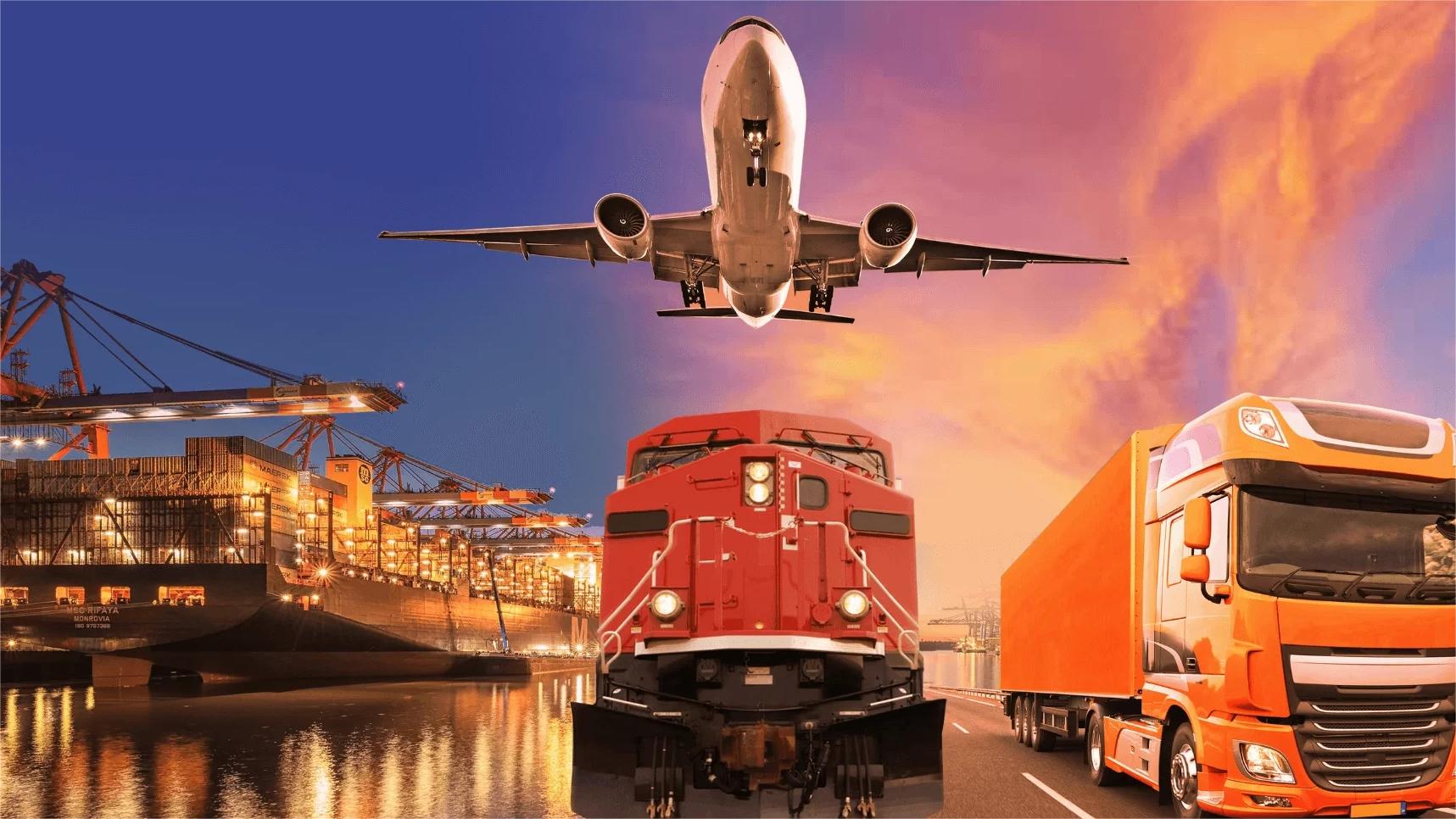
Alternatively, rail and air solutions provide faster speeds for time-sensitive inventory. Each method has specific trade-offs regarding budget, speed, and environmental impact that every importer should consider before booking.
| Shipping Method | Cost Range | Transit Time | Best For |
|---|---|---|---|
| Sea Freight (FCL) | $2,500 – $4,500 | 25-40 Days | Bulk Inventory |
| Air Freight | $5.00 – $9.50/kg | 3-7 Days | Urgent Goods |
| Rail Freight | $1,800 – $3,200 | 15-22 Days | Eurasia Routes |
| Express | $8.00 – $15.00/kg | 2-5 Days | Small Samples |
Strategic Benefits of Air Freight for High-Value Goods
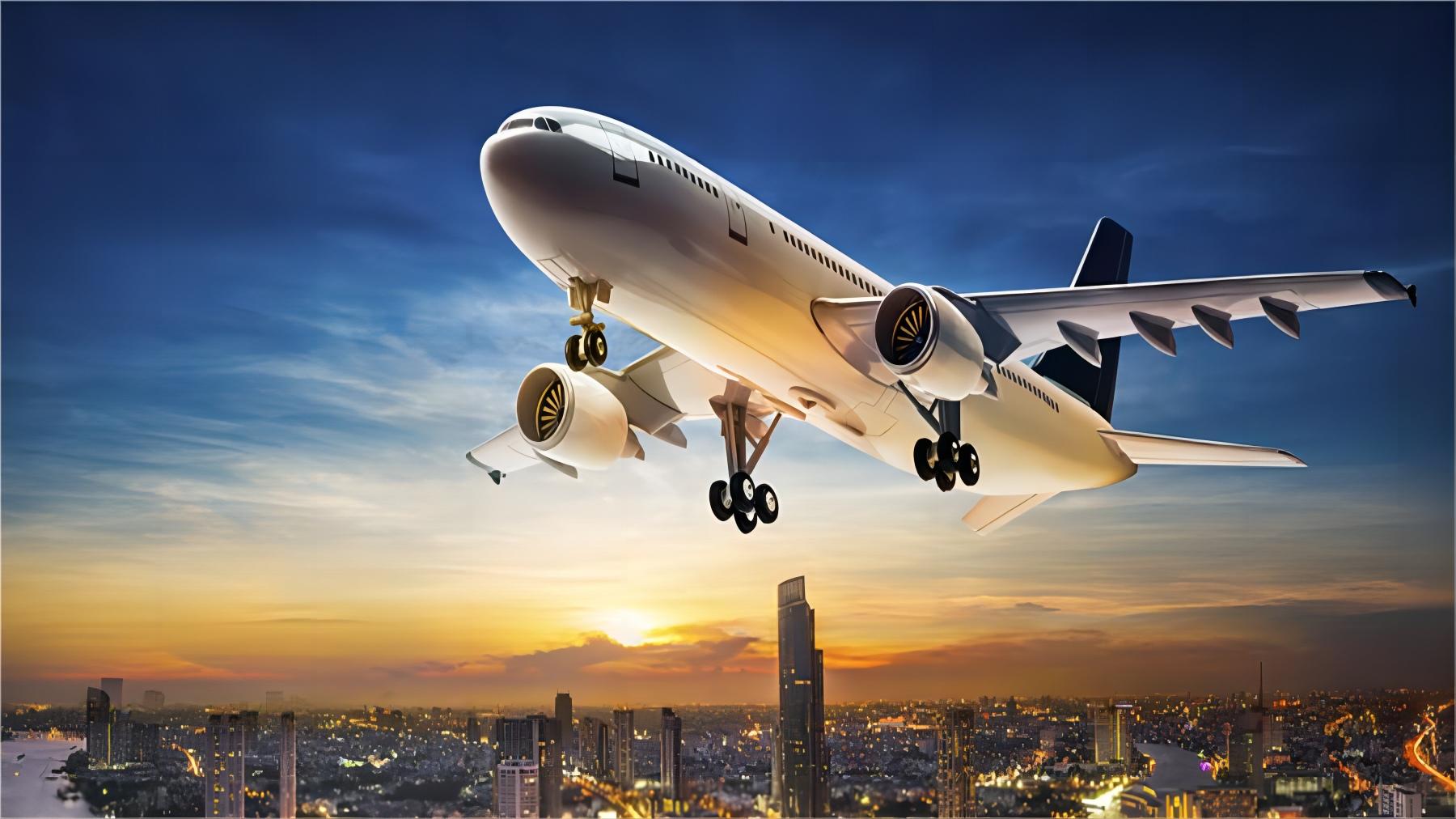
In scenarios where speed is the primary priority, air freight provides the fastest connection between Chinese factories and global markets. This method is particularly beneficial for high-value electronics, fashion items, and perishable products.
Furthermore, shorter transit times reduce the need for holding large amounts of safety stock. This efficiency allows businesses to maintain a leaner inventory and respond more quickly to changing consumer trends in 2026.
While the cost is higher, the reduced risk of damage and theft during transit often justifies the investment for premium cargo. Additionally, air transport simplifies the logistics chain by minimizing the number of handling points.
2026 Price Reference for Major Shipping Routes
Understanding current market rates is essential for accurate budgeting and price negotiations with suppliers. As of early 2026, freight rates have stabilized across major corridors after the volatility seen in previous years.
Specifically, routes to North America and Europe have seen increased capacity from major carriers. This shift has led to more predictable pricing structures for both Full Container Load (FCL) and Less than Container Load (LCL) shipments.
Note: Freight rates are subject to change based on fuel costs, carrier capacity, and seasonal demand. Contact us for a current quote tailored to your specific shipment.
| Route | 20GP Container | 40HQ Container | Typical Transit |
|---|---|---|---|
| China to USA West | $1,600 – $2,300 | $2,900 – $3,900 | 14-18 Days |
| China to Europe | $1,900 – $2,600 | $3,100 – $4,300 | 28-35 Days |
| China to Australia | $850 – $1,300 | $1,500 – $2,100 | 12-18 Days |
| China to UK | $2,100 – $2,900 | $3,600 – $4,600 | 30-38 Days |
Navigating Customs Documentation and Compliance
Successful importing relies heavily on accurate paperwork and strict adherence to international trade regulations. Utilizing a professional customs brokerage service can prevent costly delays and potential fines at the port of entry.
Essential documents usually include the Commercial Invoice, Packing List, and Bill of Lading. Furthermore, certain products may require specific certificates of origin or safety compliance reports depending on the destination country.
Therefore, importers should verify all documentation requirements well before the cargo leaves the factory. Proactive compliance management is the most effective way to ensure a smooth transition through customs checkpoints.
Case Study 1: Electronics Shipment to North America
Route: Shenzhen, China to Los Angeles, USA. Cargo: Consumer Electronics, 28 CBM, 4,500 kg. Container: 40GP. Shipping Details: Carrier: Major trans-Pacific carrier. Port of Loading: Shenzhen. Port of Discharge: Long Beach. Route Type: Direct.
Cost Breakdown: Ocean Freight: $3,200. Origin Charges: $450. Destination Charges: $600. Customs and Duties: $1,200. Total Landed Cost: $5,450.
Timeline: Booking to Loading: 4 days. Sea Transit: 16 days. Customs Clearance: 2 days. Total Door-to-Door: 22 days. Key Insight: Early booking during the 2026 Q3 peak season saved the importer approximately 15% on freight costs.
Case Study 2: Industrial Machinery to Europe
Route: Ningbo, China to Rotterdam, Netherlands. Cargo: Industrial Parts, 12 CBM, 3,200 kg. Container: LCL. Shipping Details: Carrier: Major European line. Port of Loading: Ningbo. Port of Discharge: Rotterdam. Route Type: Transshipment via Singapore.
Cost Breakdown: Ocean Freight: $1,100. Origin Charges: $300. Destination Charges: $450. Customs and Duties: $800. Total Landed Cost: $2,650.
Timeline: Booking to Loading: 5 days. Sea Transit: 32 days. Customs Clearance: 3 days. Total Door-to-Door: 40 days. Key Insight: Consolidating LCL shipments allowed the importer to maintain inventory levels without the cost of a full container.
Which Shipping Option Should You Choose?
Selecting the ideal method depends on your specific business priorities and the nature of your cargo. If your primary goal is cost reduction for non-urgent goods, sea freight is almost always the superior choice.
On the other hand, if you are launching a new product or replenishing low stock, air freight provides the necessary speed to stay competitive. For businesses located in Europe or Central Asia, rail freight offers a compelling middle ground.
Finally, consider a door to door service to simplify your operations. This all-inclusive approach allows you to focus on sales while the logistics experts handle the complexities of the china factory shipping service for importers.
Summary of 2026 Shipping Strategies
In conclusion, mastering the china factory shipping service for importers requires a blend of strategic planning and market awareness. By understanding the differences between sea, air, and rail freight, you can make informed decisions that protect your profit margins.
Always prioritize documentation accuracy and choose partners who offer transparent tracking and reliable customs support. As global trade continues to evolve in 2026, staying adaptable and informed will be your greatest advantage in the marketplace.