
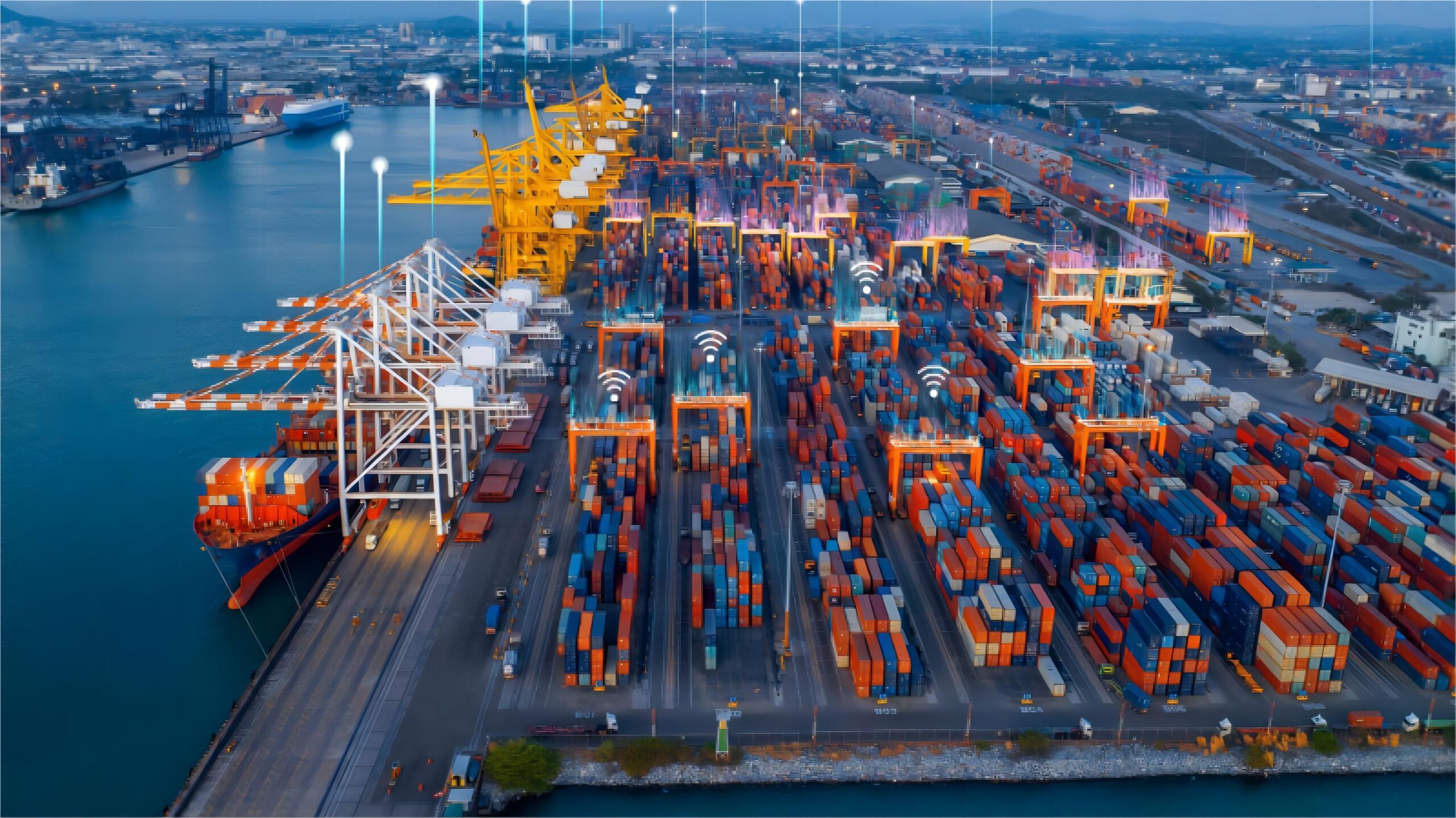
China Freight for Wholesalers Commercial Cargo: 2026 Strategic Guide
Navigating the complexities of china freight for wholesalers commercial cargo requires a strategic approach to ensure long-term profitability and supply chain resilience. As global markets stabilize in early 2026, finding a reliable logistics partner like China Trans Link is essential for managing large-scale commercial imports efficiently. Consequently, businesses must understand the nuances of transit times and current freight rates to maintain a competitive edge in an increasingly demanding international trade environment.

Understanding China Freight for Wholesalers Commercial Cargo in 2026
Wholesale operations rely heavily on the ability to move large volumes of goods across borders without incurring prohibitive costs. Furthermore, the 2026 logistics landscape has shifted toward more sustainable and digitally-integrated shipping solutions. Businesses now prioritize supply chain visibility and cargo handling precision over simple price-based decisions.
Moreover, the current market intelligence suggests that freight rates have reached a new equilibrium after the disruptions seen in 2025. Therefore, wholesalers must evaluate their shipping frequency and volume to leverage the best possible contract rates with carriers. Indeed, understanding the differences between various transport modes is the first step toward optimizing your landed cost.
How Does Sea Freight Compare to Other Shipping Options?
While sea freight remains the backbone of global trade for wholesalers, it is not the only viable solution for commercial cargo. In contrast to air transport, ocean shipping offers significantly lower costs per cubic meter, making it ideal for bulk commodities. However, the extended transit time requires wholesalers to maintain higher inventory levels to avoid stockouts.
Additionally, rail freight has emerged as a powerful middle-ground option for shipments moving toward Europe and Central Asia. Meanwhile, air freight continues to serve the high-value or time-sensitive segment of the wholesale market. Consequently, a multi-modal strategy often provides the best balance between speed and expenditure.
| Shipping Method | Cost Range | Transit Time | Best For | Limitations |
|---|---|---|---|---|
| Sea Freight (FCL) | $2,500 – $4,500 | 25-40 Days | Bulk wholesale goods | Longest transit time |
| Air Freight | $5.50 – $9.00/kg | 3-7 Days | High-value electronics | High cost per unit |
| Rail Freight | $1,200 – $2,200 | 15-22 Days | Mid-range urgency | Geographic limits |
| Express Service | $8.00 – $15.00/kg | 2-4 Days | Samples and urgent | Very expensive for bulk |
Which Option Should You Choose?
Budget priority dictates that sea freight is almost always the preferred choice for wholesalers moving full container loads. If your margins are tight and your delivery schedule allows for a 35-day window, ocean transport is the logical selection. On the other hand, if you are launching a new product line with high market demand, the speed of air transport may justify the higher investment.
Volume thresholds also play a critical role in this decision-making process. For instance, shipments exceeding 15 cubic meters are typically more cost-effective when sent via Full Container Load (FCL) rather than Less than Container Load (LCL). Furthermore, cargo type considerations, such as hazardous materials or perishable goods, will naturally limit your available shipping modes.
The Role of Customs Brokerage in Wholesale Logistics
Navigating international trade regulations is a significant hurdle for many wholesalers importing from China. Utilizing a professional customs brokerage service ensures that all commercial cargo complies with local laws and tariff requirements. Without a doubt, incorrect documentation can lead to costly delays and unexpected fines at the port of discharge.
Additionally, the 2026 regulatory environment has introduced stricter reporting standards for environmental impact and labor practices. Consequently, having an expert manage your paperwork minimizes the risk of shipment seizures or audits. Indeed, a seamless customs process is vital for maintaining a reliable delivery schedule for your downstream customers.
Case Studies: Successful Wholesale Shipments from China
Case Study 1: Electronics Distribution to North America
Route: Shenzhen, China to Los Angeles, USA. Cargo: Consumer electronics, 68 CBM, 12,500 kg. Container: 1 x 40HQ. Shipping Details: Major carrier direct service via Ningbo. Port of Loading: Shenzhen. Port of Discharge: Los Angeles. Total Landed Cost: $4,850. Sea Transit: 16 days. Total Door-to-Door: 24 days. Key Insight: Using a direct route saved 6 days compared to transshipment, allowing the wholesaler to meet a Q3 launch deadline.
Case Study 2: Furniture Wholesale to Europe
Route: Ningbo, China to Rotterdam, Netherlands. Cargo: Flat-pack furniture, 28 CBM, 8,000 kg. Container: 1 x 20GP. Shipping Details: COSCO transshipment via Singapore. Port of Loading: Ningbo. Port of Discharge: Rotterdam. Total Landed Cost: $3,200. Sea Transit: 32 days. Total Door-to-Door: 41 days. Key Insight: Booking 4 weeks in advance secured a rate 15% below the market average during the 2026 peak season.
Cost-Saving Strategies for Bulk Cargo
Implementing effective cost-saving strategies is paramount for wholesalers looking to maximize their ROI. For example, consolidating multiple smaller orders into a single sea freight shipment can significantly reduce per-unit shipping costs. Moreover, optimizing your packaging to maximize container utilization prevents paying for ‘shipped air’ in under-filled containers.
Furthermore, negotiating long-term contracts with freight forwarders can provide stability in a fluctuating market. Nevertheless, wholesalers should remain flexible and monitor spot rates to take advantage of seasonal price drops. Consequently, a hybrid approach that combines fixed contracts with spot market agility often yields the best financial results.
| Strategy | Potential Savings | Complexity | Best Scenario |
|---|---|---|---|
| FCL Consolidation | 15-25% | Moderate | Multiple small suppliers |
| Off-Peak Booking | 10-20% | Low | Non-seasonal goods |
| Packaging Optimization | 5-12% | High | Bulky lightweight items |
| Direct Port Delivery | 8-15% | Moderate | Proximity to major hubs |
Integrating Door to Door Services for Seamless Operations
Wholesalers often find that managing multiple logistics providers creates unnecessary complexity and increases the risk of communication breakdowns. Choosing a door to door service simplifies the entire process by providing a single point of contact from the factory floor to the warehouse. Additionally, this model often includes integrated tracking, which enhances supply chain visibility.
Moreover, end-to-end solutions typically include local drayage and final-mile delivery, which are often the most difficult parts of the logistics chain to manage independently. Therefore, while the upfront cost might appear higher, the reduction in administrative overhead and potential for errors often makes it the most economical choice. Indeed, for wholesalers focused on scaling, outsourcing the logistics headache is a strategic necessity.
Air Freight for High-Demand Commercial Goods
When market trends shift rapidly, wholesalers must be able to replenish stock in days rather than weeks. In these instances, air freight provides the necessary agility to capture fleeting sales opportunities. Although the cost is substantially higher, the reduced inventory carrying costs and increased cash flow turnover can offset the expense.
Furthermore, air transport offers the highest level of security for sensitive or high-value commercial cargo. Consequently, items like high-end electronics or pharmaceuticals are almost exclusively moved via air. Meanwhile, businesses should use this mode strategically to avoid over-reliance on expensive transport methods that could erode wholesale margins.
Rail Freight as an Alternative Strategy
For wholesalers operating between China and Europe, rail freight offers a compelling alternative to both sea and air. It is significantly faster than ocean transport while remaining much cheaper than flying goods. For instance, a shipment from Xi’an to Warsaw can take as little as 14 days, providing a rapid replenishment cycle for European distributors.
Additionally, rail transport is generally considered more environmentally friendly than air or sea freight per ton-mile. Therefore, as corporate social responsibility becomes more important to retailers, wholesalers can use rail as a selling point. Nevertheless, capacity can be limited during peak periods, so early booking is always recommended to ensure space on the Iron Silk Road.
Final Thoughts on Wholesale Cargo Logistics
Successfully managing china freight for wholesalers commercial cargo requires a deep understanding of the global logistics ecosystem. By balancing cost, speed, and reliability across different shipping modes, wholesalers can build a resilient supply chain that withstands market volatility. Furthermore, partnering with experienced professionals ensures that customs and documentation hurdles do not impede your business growth.
As we move through 2026, the integration of technology and sustainable practices will continue to redefine how bulk goods are moved. Therefore, staying informed about industry trends and maintaining a flexible logistics strategy is essential. Ultimately, the right shipping partner will not only move your cargo but will also provide the market intelligence needed to excel in international trade.
Get Your Shipping Quote Today
Optimizing your china freight for wholesalers commercial cargo strategy is the key to thriving in the 2026 global market. Contact our expert team today to receive a customized quote and discover how we can streamline your wholesale supply chain. Visit our inquiry page to get started: Send Inquiry
Request Quote