

China Global Logistics Service Local Warehouse: 2026 Strategy Guide
Managing international trade in 2026 requires more than just standard freight solutions. Companies now rely on China Trans Link to navigate the complexities of modern supply chains. Implementing a china global logistics service local warehouse strategy has become the gold standard for businesses looking to provide rapid delivery to their international customers. This guide explores how localized storage can transform your operations from a slow-moving process into a high-speed fulfillment engine.
What Are the Benefits of a China Global Logistics Service Local Warehouse?
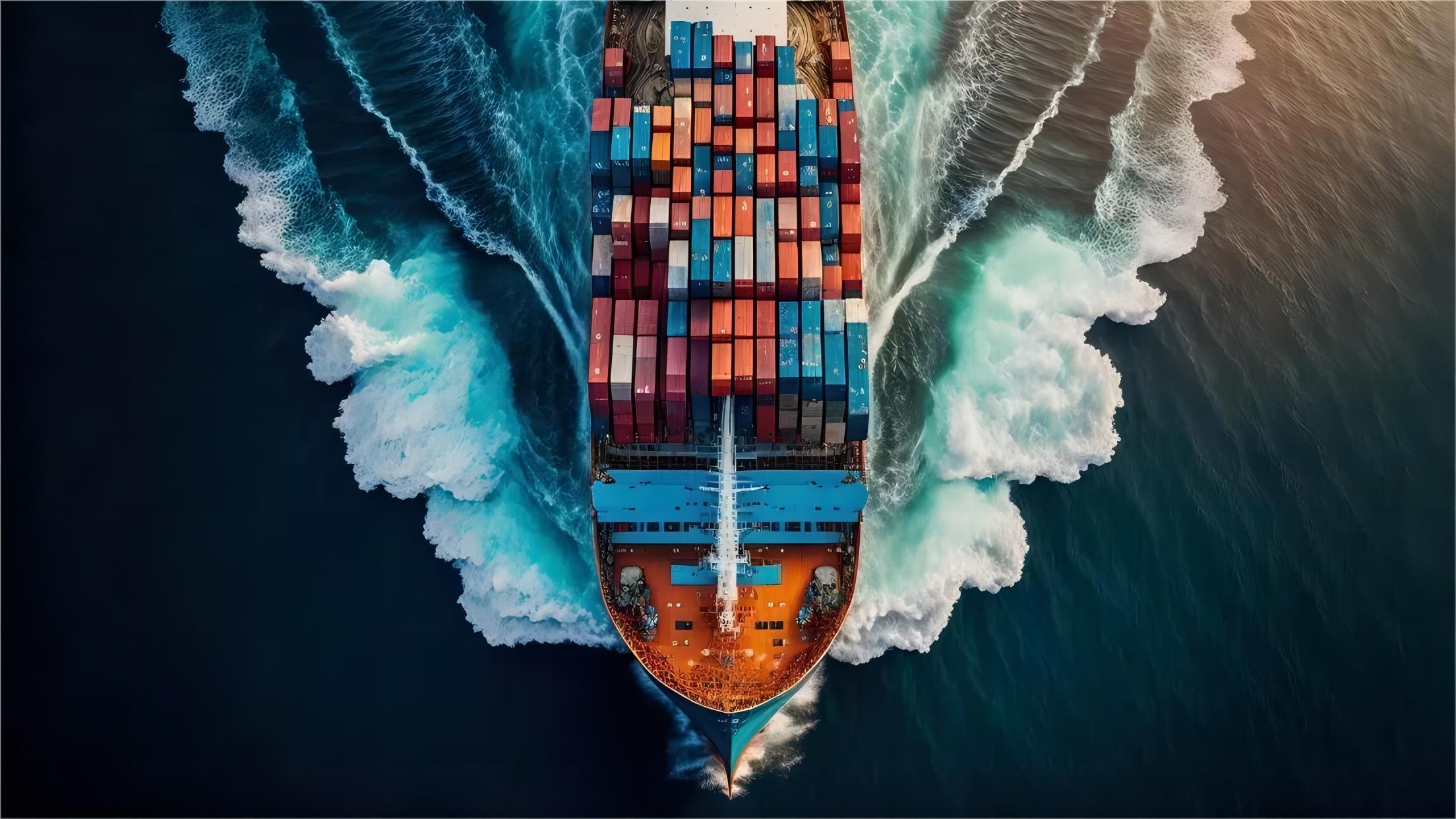
Utilizing a china global logistics service local warehouse allows businesses to store inventory closer to the end consumer. Consequently, this drastically reduces the last-mile delivery time which is critical for maintaining high customer satisfaction levels. Furthermore, having stock already in the destination country eliminates the uncertainty of customs delays for individual orders.
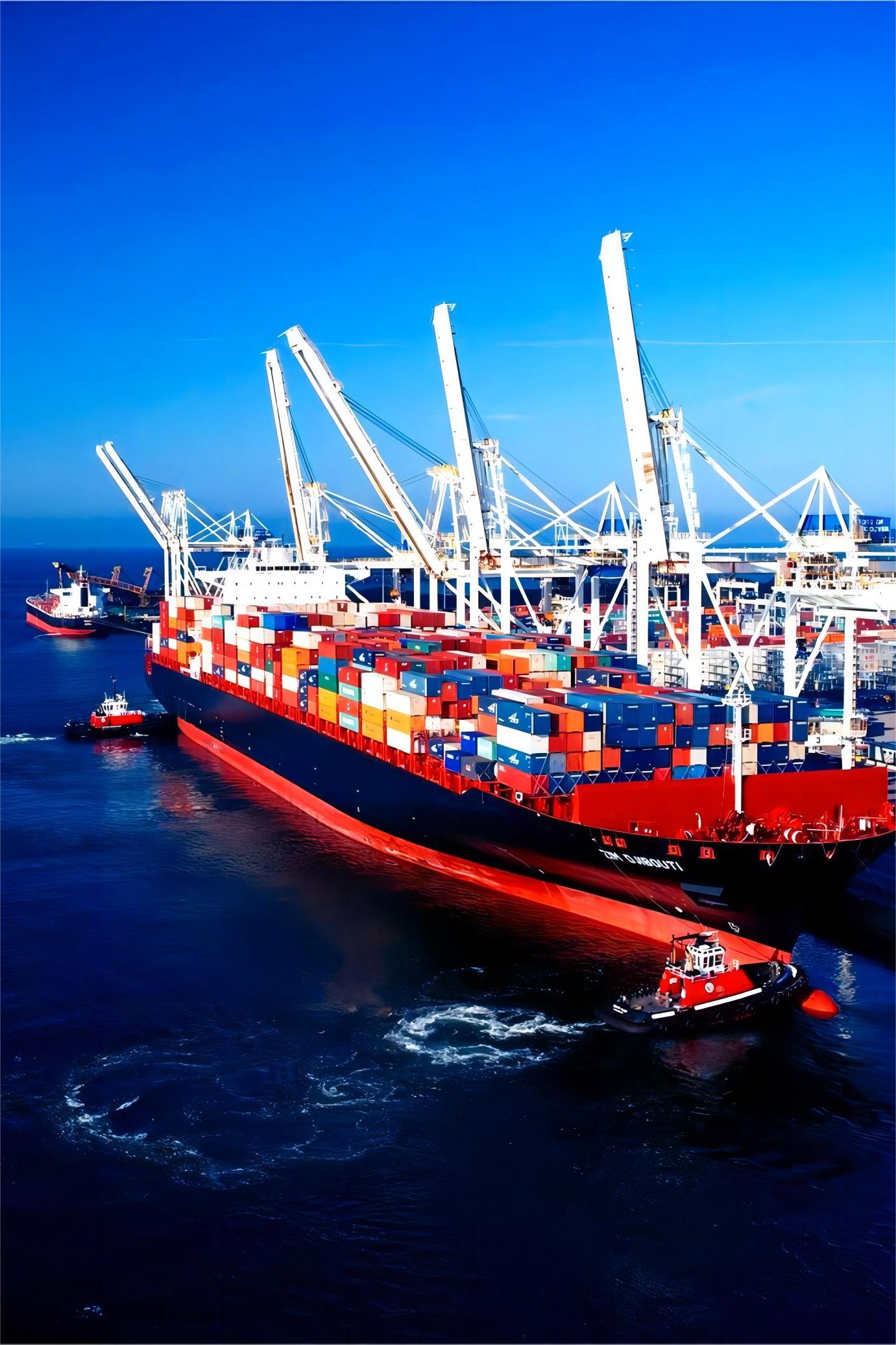
Moreover, this model helps in managing shipping costs by allowing for bulk replenishment. Instead of sending thousands of small parcels from China, you can use sea freight to move large volumes into a local hub. This approach significantly lowers the per-unit transportation expense while maintaining a steady supply of products for your market.
Additionally, local warehouses provide a professional infrastructure for handling returns and exchanges efficiently. If a customer needs to return a product, they send it to a domestic address rather than an international one. Therefore, the return process becomes faster and much more cost-effective for both the merchant and the buyer.
Indeed, the integration of advanced warehouse management systems ensures that inventory levels remain accurate in real time. This visibility allows for better demand forecasting and prevents the common issue of stockouts during peak seasons. As a result, businesses can scale their operations without the traditional growing pains associated with international logistics.
How Does Local Warehousing Compare to Other Shipping Options?
Comparing different shipping strategies is essential for finding the most efficient path for your cargo. While direct shipping from a factory might seem simpler, it often involves higher transit times and unpredictable customs hurdles. In contrast, a localized storage model offers a predictable delivery schedule that modern consumers expect.
For instance, air freight is exceptionally fast but carries a heavy price tag that can erode profit margins. On the other hand, sea freight is economical but takes weeks to reach its destination. A hybrid approach involving a china global logistics service local warehouse combines the cost benefits of sea transport with the speed of domestic fulfillment.
To summarize the differences, we must look at cost, speed, and reliability across all major modes. Each method serves a specific purpose depending on the volume and urgency of the shipment. Therefore, savvy importers often mix these methods to create a resilient and flexible supply chain.
| Shipping Method | Cost Range | Transit Time | Best For |
|---|---|---|---|
| Direct Air Freight | High ($8-$15/kg) | 3-7 Days | Urgent/High-Value |
| Direct Sea Freight | Low ($2k-$4k/FEU) | 25-40 Days | Bulk Shipments |
| Local Warehouse | Moderate (Storage Fees) | 1-3 Days | E-commerce/B2C |
| Rail Freight | Medium ($3k-$5k/FEU) | 15-22 Days | China to Europe |
Which Option Should You Choose for Your Business?
Deciding on the right logistics path depends heavily on your specific business goals and product types. If your primary objective is budget priority, you should focus on bulk sea freight combined with long-term storage solutions. However, if speed priority is your main concern, then air freight or local fulfillment is the superior choice.
Cargo type considerations also play a vital role in this decision-making process. Perishable goods or high-fashion items require the rapid turnover that only local warehousing or express air services can provide. Conversely, heavy machinery or raw materials are better suited for traditional ocean transport due to their weight and lower urgency.
Volume thresholds often dictate when it is time to switch methods. For example, once you reach a consistent volume of over 15 CBM per month, moving from LCL to FCL and utilizing a local warehouse becomes much more economical. Without a doubt, analyzing your monthly sales data will reveal the most profitable point to transition your logistics strategy.
Case Study 1: Electronics Distribution to North America
Route: Shenzhen, China to Los Angeles, USA. Cargo: Consumer Electronics, 68 CBM, 12,500 kg. Container: 1 x 40HQ. Shipping Details: Managed via a major carrier with a direct route to the Port of Long Beach.
Cost Breakdown: Ocean Freight at $3,200, Origin Charges at $450, Destination Charges at $600. Customs and Duties estimated at $4,500. Total Landed Cost: $8,750. Timeline: Booking to Loading took 4 days, Sea Transit took 16 days, and Customs Clearance took 3 days. Total Door-to-Door: 23 days.
Key Insight: By utilizing a local warehouse in California, the client reduced their domestic delivery time from 7 days to 2 days for East Coast customers. This successful transition was based on Q1 2026 market rates and highlight the efficiency of the china global logistics service local warehouse model.
Case Study 2: Apparel Fulfillment in Europe
Route: Ningbo, China to Hamburg, Germany. Cargo: Seasonal Apparel, 20 CBM, 4,000 kg. Container: LCL Shipment. Shipping Details: Transshipment via Singapore to optimize costs during the shoulder season.
Cost Breakdown: Ocean Freight at $1,400, Origin Charges at $300, Destination Charges at $550. Customs and Duties estimated at $2,200. Total Landed Cost: $4,450. Timeline: Booking to Loading took 5 days, Sea Transit took 32 days, and Customs Clearance took 4 days. Total Door-to-Door: 41 days.
Key Insight: The client used Amazon FBA integration with a local German warehouse to handle the Q4 peak season. This strategy allowed them to maintain a 100% in-stock rate despite global shipping fluctuations in early 2026.
How to Optimize Your Global Distribution Network
Optimization starts with a deep dive into your current supply chain data to identify bottlenecks. Many businesses find that their biggest delays occur during the transition between international transit and domestic delivery. By implementing a china global logistics service local warehouse, you effectively bypass these common hurdles.
Furthermore, you should consider hybrid solutions such as sea-air combinations for mid-tier urgency products. This involves shipping by sea to a hub like Dubai and then flying the goods to the final destination. This alternative approach saves about 40% in costs compared to pure air freight while cutting transit time by half compared to sea freight.
Additionally, ensuring your documentation is perfect is non-negotiable for maintaining speed. Working with a professional customs brokerage service prevents your goods from getting stuck in inspections. Indeed, clear communication between your warehouse team and your freight forwarder is the foundation of a successful global network.

Strategic Alternatives for Diverse Shipping Scenarios
Not every shipment requires the same approach, so having alternative strategies is vital. For small, high-value shipments, direct express courier services might be more suitable than warehousing. However, as soon as your volume increases, the storage model offers better scalability and lower long-term overhead.
Another alternative is the use of bonded warehouses, which allow you to store goods without paying duties until they are sold. This significantly improves cash flow for businesses dealing with high-tariff items. Consequently, you can keep a larger inventory on hand without the immediate financial burden of taxes and import fees.
In contrast, some businesses prefer a drop-shipping model directly from China to the consumer. While this minimizes storage costs, it often leads to longer wait times and higher shipping rates per item. Therefore, most growing brands eventually transition to a china global logistics service local warehouse to maintain their competitive edge in 2026.
Mastering Your Logistics Strategy
To summarize, the landscape of international trade is constantly evolving, and a china global logistics service local warehouse is now a fundamental component of success. By positioning your inventory strategically, you reduce transit times, lower costs, and improve the overall customer experience.
Whether you are shipping electronics to the USA or apparel to Europe, the principles of efficient warehousing remain the same. Focus on data-driven decisions, partner with reliable experts, and always maintain flexibility in your logistics planning. Following these steps will ensure your business thrives in the competitive global market of 2026.

Ready to streamline your logistics?
Ready to streamline your supply chain with a china global logistics service local warehouse? Contact China Trans Link today for a customized quote and expert guidance on your 2026 shipping strategy. Visit our website to learn more: https://chinatranslink.com/ Contact us for a current quote tailored to your specific shipment.
Request Quote