

China to USA Container Shipping for Importers: 2026 Guide
Navigating China to USA container shipping for importers requires a deep understanding of the evolving logistics landscape in 2026. As global trade dynamics shift, businesses must adapt to new regulatory requirements and fluctuating market conditions. Partnering with a reliable freight forwarder like China Trans Link ensures your cargo moves efficiently across the Pacific. This comprehensive guide provides the essential insights needed to manage your international shipments with confidence and precision.
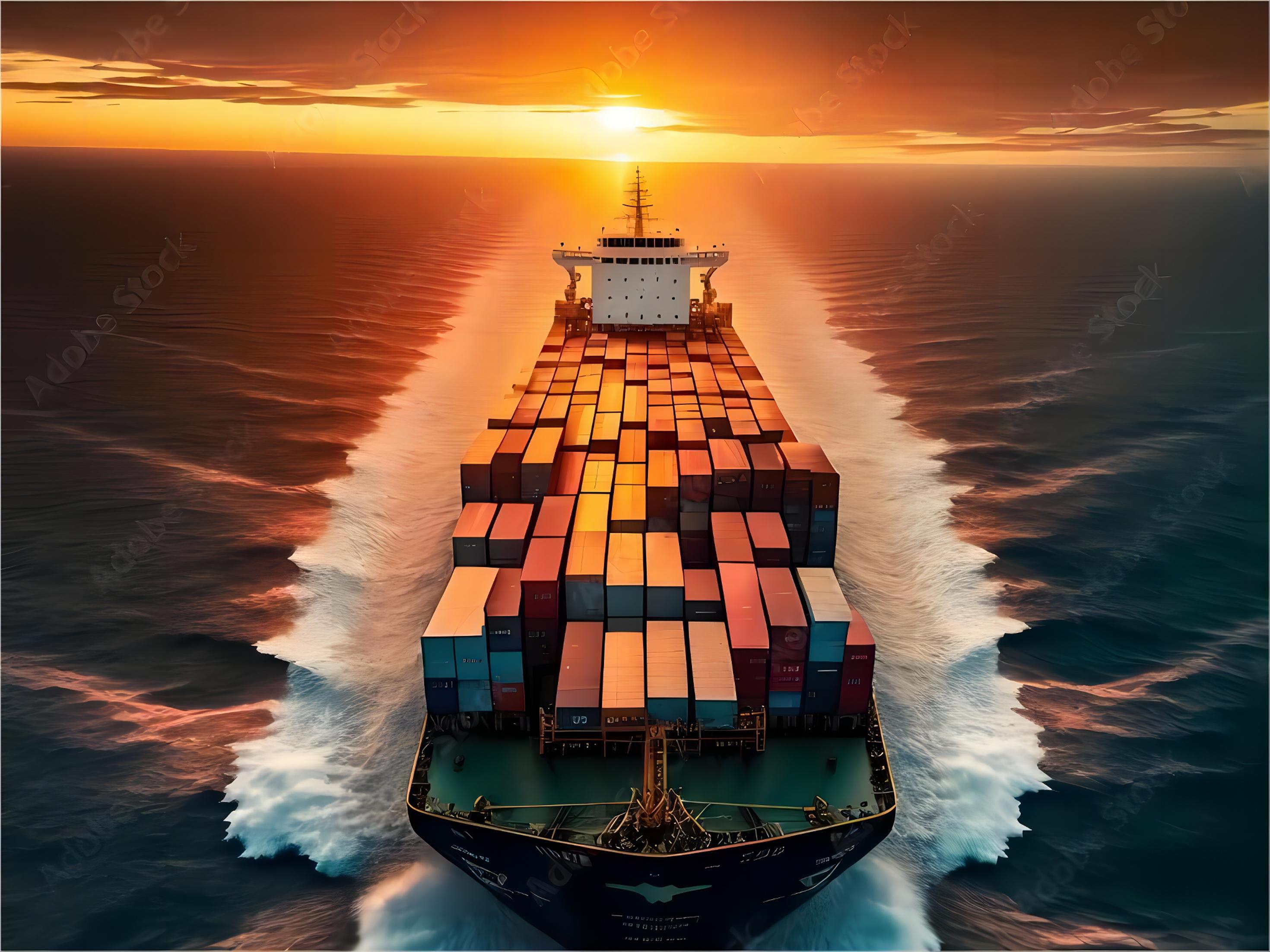
How Does Sea Freight Compare to Other Shipping Options?
Choosing the right transportation mode is the first critical decision for any business involved in transpacific trade. While several options exist, ocean transport remains the backbone of the industry due to its capacity for heavy and bulky goods. Consequently, importers often prefer this method for large-scale inventory replenishment.

Moreover, comparing sea freight to air or rail options reveals significant differences in cost and speed. Air freight offers unmatched velocity but comes at a premium price that can erode profit margins for low-value items. Meanwhile, multi-modal solutions are gaining traction as businesses seek a balance between efficiency and expense.
Consider sea freight for shipments where lead times allow for several weeks of transit. This method provides the most economical way to move high volumes of products across the ocean. Additionally, modern vessel tracking technology has greatly improved the predictability of arrival dates for US-based warehouses.
| Shipping Method | Cost Range | Transit Time | Best For |
|---|---|---|---|
| Sea Freight | $2,500 – $5,500 | 18 – 40 Days | Bulk Cargo / FCL |
| Air Freight | $5.00 – $12.00/kg | 3 – 7 Days | Urgent / High Value |
| Express | $8.00 – $15.00/kg | 2 – 5 Days | Samples / Small Parcels |
| Sea-Air Hybrid | Moderate | 12 – 18 Days | Mid-range Urgency |
What are the Main Differences Between FCL and LCL?
Understanding the distinction between Full Container Load (FCL) and Less than Container Load (LCL) is vital for cost optimization. FCL involves renting an entire 20ft or 40ft container for your exclusive use, which minimizes handling and potential damage. Therefore, it is the preferred choice for high-volume importers who can fill a whole unit.
On the other hand, LCL allows multiple shippers to share space within a single container, making it ideal for smaller consignments. Although this method is more flexible, it often involves longer transit times due to the consolidation and deconsolidation processes at the ports. Furthermore, LCL rates are typically calculated per cubic meter (CBM), which requires careful volume planning.
Importers often find that door to door shipping services simplify both FCL and LCL logistics by managing the entire journey. This approach reduces the administrative burden on your team while ensuring consistent communication. Indeed, selecting the right load type depends heavily on your specific inventory turnover and storage capacity.
Which US Route Should You Choose for Your Cargo?
Selecting the destination port significantly impacts both your total shipping cost and the final delivery schedule. The US West Coast, including ports like Los Angeles and Long Beach, offers the fastest transit times from major Chinese hubs. Consequently, many importers choose these gateways to reduce their time-to-market.
Conversely, the US East Coast and Gulf Coast ports are excellent options for businesses located in the eastern half of the country. While the sea journey is longer, it often results in lower inland trucking costs for final mile delivery. Furthermore, utilizing the Panama Canal or Suez Canal routes provides alternative paths during times of West Coast congestion.
Market data suggests that freight rates to the East Coast generally carry a premium compared to West Coast arrivals. Nevertheless, the total landed cost might be lower if your distribution center is situated near Savannah or New York. Therefore, a thorough analysis of your domestic supply chain geography is essential before booking.
| Destination Region | Major Ports | Transit (Days) | Cost Index |
|---|---|---|---|
| West Coast | LA, Long Beach, Seattle | 14 – 20 | Lower |
| East Coast | NY, Savannah, Norfolk | 28 – 38 | Higher |
| Gulf Coast | Houston, Mobile | 32 – 42 | Moderate |
| Inland Hubs | Chicago (via Rail) | 22 – 30 | Variable |
How Can Importers Manage Customs and Documentation Effectively?
Navigating the complexities of US Customs and Border Protection (CBP) is often the most challenging aspect of international trade. Accurate documentation is mandatory to avoid costly delays, fines, or even cargo seizures at the port of entry. Consequently, maintaining a detailed checklist of required paperwork is a best practice for all successful importers.
Essential documents include the Commercial Invoice, Packing List, and the Bill of Lading, which serves as the title to the goods. Additionally, specific products may require specialized certificates, such as FDA approvals or EPA declarations. To mitigate risks, many businesses utilize professional customs brokerage services to handle the filing process.
Furthermore, staying informed about current tariff classifications under the Harmonized Tariff Schedule (HTS) is crucial for accurate duty estimation. Indeed, misclassifying goods can lead to significant financial penalties and audits. Therefore, proactive communication with your logistics provider regarding product specifications is highly recommended.
What are the Current Freight Rate Trends for 2026?
As of early 2026, the container shipping market has entered a period of relative stability following the volatility of previous years. Freight rates from China to the USA have normalized, although they remain sensitive to fuel surcharges and seasonal demand spikes. Consequently, importers should budget for moderate fluctuations during peak seasons like the pre-Lunar New Year rush.
Industry benchmarks indicate that 40HQ container rates to the West Coast currently hover between $2,800 and $3,800 depending on the carrier. Meanwhile, East Coast rates are slightly higher, reflecting the longer distance and canal transit fees. Furthermore, the introduction of more eco-friendly vessels has led to new environmental surcharges that shippers must account for.
Note: Freight rates are subject to change based on fuel costs, carrier capacity, and seasonal demand. Contact us for a current quote tailored to your specific shipment. Additionally, early booking remains the most effective strategy for securing space on major vessels during the busy autumn months.

How to Optimize Your Supply Chain with Amazon FBA Services?
E-commerce sellers face unique challenges when shipping goods directly from Chinese factories to American fulfillment centers. Amazon has strict requirements regarding palletization, labeling, and delivery appointments that must be strictly followed. Consequently, many sellers opt for specialized Amazon FBA services to ensure compliance.
Moreover, using a freight forwarder that understands the FBA ecosystem can prevent rejected shipments and additional storage fees. These providers often offer value-added services such as quality inspections and re-labeling in China before the goods depart. Meanwhile, direct-to-FCL shipping can save significant time compared to traditional LCL methods.
Additionally, diversifying your inventory across multiple regions in the USA can help reduce domestic shipping times to customers. However, this requires a sophisticated logistics partner capable of managing split shipments and multiple destination ports. Therefore, integrating your shipping strategy with your sales data is a key driver of e-commerce success.
Which Shipping Strategy Should You Choose Based on Your Budget?
Determining the most cost-effective shipping strategy involves more than just looking at the ocean freight rate. Importers must consider the total landed cost, which includes duties, insurance, and inland transportation. Consequently, a lower port-to-port rate might be offset by high trucking fees if the destination is far from the coast.
For budget-conscious businesses, LCL shipping is often the entry point, but it requires careful monitoring of ‘hidden’ destination charges. On the other hand, high-volume importers can leverage their scale to negotiate better FCL contracts with major carriers. Furthermore, choosing slower transit times or transshipment routes can often yield significant savings for non-urgent inventory.
Hybrid solutions, such as sea-freight combined with domestic trucking, provide a middle ground for those needing a balance of speed and cost. Indeed, the best strategy is often a mix of methods tailored to the specific needs of different product lines. Therefore, regular audits of your shipping expenses can reveal opportunities for further optimization.
Real-World Case Studies for China to USA Shipments
Analyzing actual shipping scenarios provides valuable context for new and experienced importers alike. These cases illustrate how different variables like cargo type, volume, and destination impact the final outcome. Consequently, they serve as a practical reference for planning your own logistics strategy in 2026.
Case Study 1: High-Volume Electronics. A Shenzhen-based manufacturer shipped 40HQ containers of consumer electronics to Los Angeles. By utilizing a direct sea route and pre-clearing customs, the total door-to-door time was kept to 18 days. The ocean freight cost was approximately $3,200 per container, providing an excellent balance of speed and value.
Case Study 2: Small Business Textiles. A boutique retailer in New York imported 8 CBM of organic fabrics from Ningbo using LCL shipping. The cargo was transshipped through Singapore, resulting in a 35-day transit time. While the unit cost was higher than FCL, the total landed cost of $1,850 allowed the business to maintain healthy margins without overstocking.
Mastering Your Import Strategy
Successfully managing China to USA container shipping for importers is a continuous process of learning and adaptation. By staying informed about market trends, choosing the right shipping methods, and ensuring documentation accuracy, you can significantly reduce risks. Furthermore, leveraging the expertise of a professional freight forwarder allows you to focus on growing your business while the logistics are handled with care.
Ultimately, the goal is to create a resilient supply chain that can withstand global shifts while delivering value to your customers. Whether you are moving FCL or LCL, the principles of planning and communication remain the same. Start optimizing your 2026 shipping strategy today to secure your competitive advantage in the American market.
Start Your Shipment
Streamline your international logistics today by choosing a partner that understands the intricacies of China to USA container shipping for importers. Our team is ready to provide you with a customized quote and expert guidance for your next shipment. Visit our contact page or reach out directly to start your journey toward a more efficient supply chain. Visit https://chinatranslink.com/contact-us/ to request your personalized freight analysis.
Request Quote