
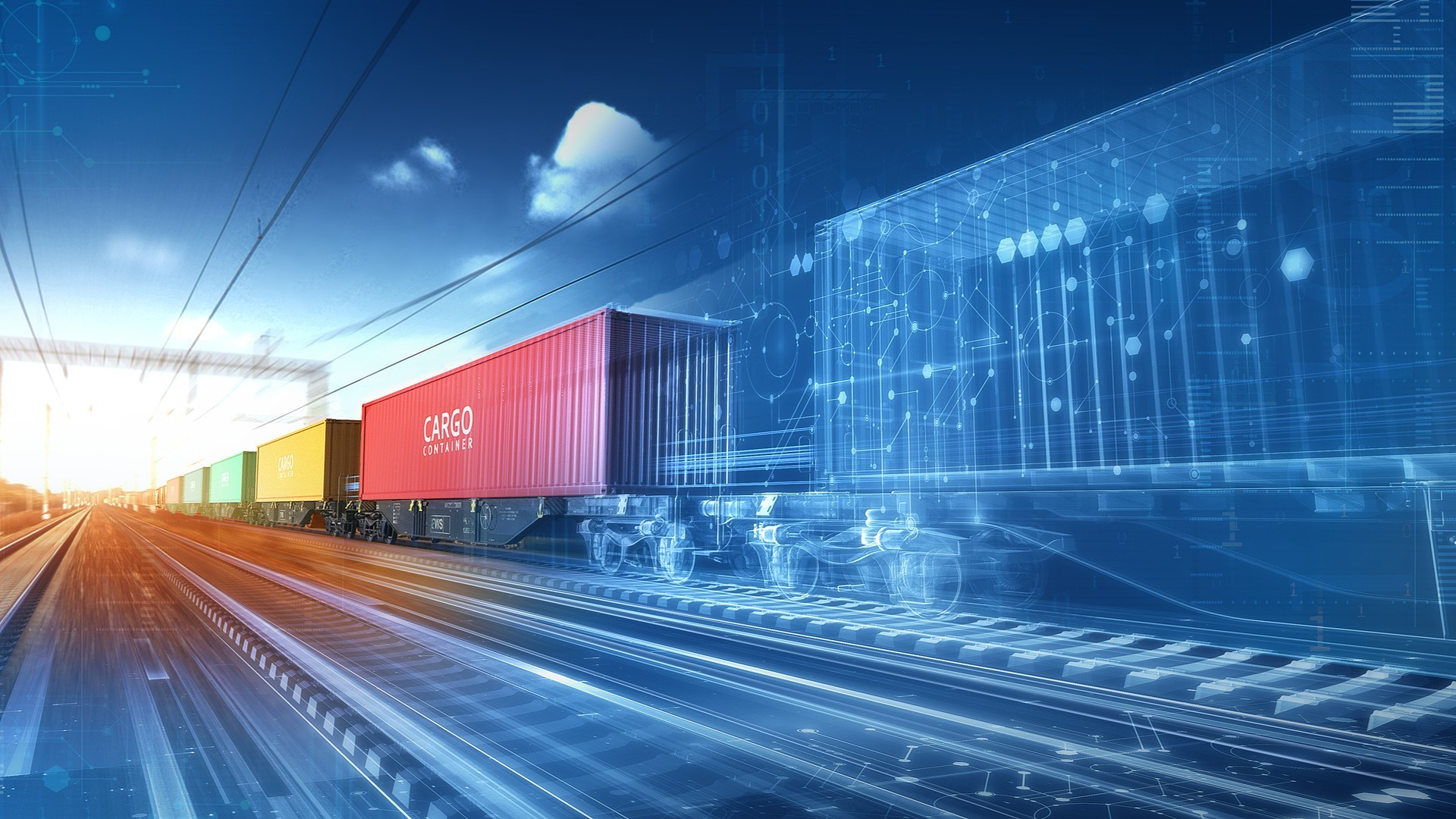
China Freight Forwarder for Ecommerce 2026: The Ultimate Guide
Scaling an online store requires a reliable china freight forwarder for ecommerce 2026 to navigate complex global supply chains. Business owners often face rising costs and unpredictable transit times in the current market. This guide provides actionable insights to optimize your shipping strategy and maximize profit margins. You will discover how to streamline operations and choose the most efficient routes for your inventory.

Why You Need a China Freight Forwarder for Ecommerce 2026 Today
Selecting the right logistics partner has become the most critical decision for online retailers this year. Modern supply chains are increasingly volatile due to shifting trade policies and fluctuating fuel prices. Consequently, a specialized agent can help you avoid costly delays at major ports like Shanghai or Ningbo.
Reliability is the cornerstone of any successful dropshipping or private label business. Furthermore, a professional agent provides the visibility needed to track shipments in real-time across the ocean. They offer consolidated services that reduce the overall burden on your internal operations team.
Cost management remains a top priority for sellers moving large volumes of goods. For instance, leveraging local expertise allows you to negotiate better rates with carriers that are not available to the general public. Without a doubt, this competitive edge is essential for maintaining healthy margins in the crowded ecommerce landscape.
How Does Sea Freight Compare to Other Shipping Options?
Ocean transport remains the most economical choice for high-volume inventory replenishment. However, it requires careful planning due to longer transit times compared to faster alternatives. Many sellers utilize sea freight to move heavy items or large batches of stock that do not require immediate delivery.
Market data suggests that ocean rates have stabilized in early 2026 following previous disruptions. On the other hand, speed-to-market is often sacrificed when choosing this method. To summarize, it is best for non-perishable goods with a predictable sales cycle.
Comparison of shipping methods is essential for strategic planning. The following table illustrates the key differences between the primary modes of transport available from China.
| Shipping Method | Cost Range | Transit Time | Best For |
|---|---|---|---|
| Sea Freight | Low ($2500-4500 per 40HQ) | 30-45 Days | Bulk Inventory |
| Air Freight | High ($5-9 per kg) | 5-9 Days | High-Value Goods |
| Rail Freight | Medium ($3000-5000 per 40HQ) | 18-25 Days | Europe Shipments |
| Express | Very High ($8-12 per kg) | 3-5 Days | Samples/Urgent |
Analyzing Air Freight for Time-Sensitive Ecommerce Goods
Speed is often the deciding factor for sellers launching new products or managing stockouts. Indeed, air freight provides the fastest way to get inventory into your customers’ hands. This method significantly reduces the cash cycle by moving products from factory to warehouse in under ten days.
Nevertheless, the high cost of air transport can quickly erode profits if not managed correctly. For example, it is most effective for lightweight items such as electronics or fashion accessories. Additionally, many companies use a hybrid strategy, sending a small batch by air while the bulk follows by sea.
Transit times for air cargo have improved as more passenger flights return to full capacity in 2026. Therefore, you should monitor daily rate fluctuations to catch the best deals from major hubs like Hong Kong or Guangzhou.
The Role of Rail Freight in 2026 Logistics
Rail transport has emerged as a powerful middle ground for shipments destined for the European market. It offers a faster transit time than the ocean while remaining significantly cheaper than air transport. Consequently, many ecommerce brands are shifting their mid-sized shipments to the Iron Silk Road.
Moreover, rail freight is often considered a more sustainable option for eco-conscious brands. In contrast to air travel, trains emit significantly less carbon per ton of cargo. This alignment with green initiatives can be a strong selling point for modern consumers.
Note that rail services are primarily viable for inland destinations across Central Asia and Europe. For instance, routes from Xi’an to Warsaw or Duisburg have become highly reliable corridors for consumer electronics and industrial parts.
Streamlining Your Amazon FBA Shipments
Complying with strict warehouse requirements is the biggest challenge for sellers using the Amazon FBA program. Any mistake in labeling or palletization can lead to rejected shipments and costly penalties. Accordingly, working with a forwarder who understands these specific regulations is vital for your success.
Professional partners handle everything from factory pickup to final delivery at the fulfillment center. As a result, you can focus on marketing and sales while the logistics experts manage the heavy lifting. They ensure that every box meets the exact weight and dimension standards required by Amazon.
Inventory management becomes much simpler when your forwarder provides integrated tracking. For example, you can see exactly when your goods clear customs and enter the local delivery network. This transparency allows for better planning of promotional events and PPC campaigns.
Navigating Customs Brokerage and Compliance
Importing goods involves complex legal frameworks that vary significantly between countries. Therefore, hiring a specialized customs brokerage service is non-negotiable for serious ecommerce businesses. They handle the filing of entries, payment of duties, and classification of products under the correct HTS codes.
Errors in documentation can lead to severe delays or even the seizure of your inventory. In addition, customs authorities in 2026 have increased their scrutiny of ecommerce shipments to ensure tax compliance. Having an expert on your side mitigates these risks and ensures a smooth entry process.
Indeed, proactive compliance is the best way to avoid unexpected expenses during the import process. Your broker will advise you on potential tariffs and trade agreements that could save you thousands of dollars. Always verify your documentation before the ship leaves the port of loading.
Case Study: Shipping Consumer Electronics from Shenzhen to Los Angeles
Case Study 1: High-Volume Electronics Launch. This scenario involves a tech startup moving a new line of smart home devices to the US market in early 2026.
+———————————————————+ | Route: Shenzhen, China -> Los Angeles, USA | Cargo: Smart Home Hubs, 12 CBM, 2500 kg | Container: LCL 12 CBM | | Shipping Details: | – Carrier/Service: Major trans-pacific carrier | – Port of Loading: Shenzhen | – Port of Discharge: Los Angeles | – Route Type: Direct | | Cost Breakdown: | – Ocean Freight: $1,450 | – Origin Charges: $320 | – Destination Charges: $450 | – Customs & Duties: $1,200 | – Total Landed Cost: $3,420 | | Timeline: | – Booking to Loading: 4 days | – Sea Transit: 16 days | – Customs Clearance: 3 days | – Total Door-to-Door: 28 days | | Key Insight: Direct routing saved 6 days compared to transshipment. +———————————————————+
Based on Q1 2026 market rates, this shipment represents a typical cost structure for LCL cargo on the West Coast route. Furthermore, the seller avoided peak season surcharges by booking three weeks in advance. This proactive approach is essential for maintaining a consistent supply chain.
Case Study: Fashion Apparel from Ningbo to Hamburg
Case Study 2: Seasonal Fashion Inventory. This example highlights the logistics of moving apparel to the European market via rail freight during the spring season.
+———————————————————+ | Route: Ningbo, China -> Hamburg, Germany | Cargo: Organic Cotton T-shirts, 20 CBM, 4000 kg | Container: 20GP Full Container | | Shipping Details: | – Carrier/Service: China-Europe Railway Express | – Port of Loading: Ningbo (via rail hub) | – Port of Discharge: Hamburg Terminal | – Route Type: Rail Transit | | Cost Breakdown: | – Rail Freight: $2,800 | – Origin Handling: $250 | – Destination Handling: $400 | – Customs & Duties: $850 | – Total Landed Cost: $4,300 | | Timeline: | – Booking to Loading: 5 days | – Rail Transit: 22 days | – Customs Clearance: 2 days | – Total Door-to-Door: 35 days | | Key Insight: Rail provided a 15-day advantage over sea freight. +———————————————————+
Typical rates as of early 2026 show that rail remains a competitive alternative for the European corridor. Consequently, the brand was able to restock its best-selling items just in time for the summer peak. Without a doubt, the speed of rail was the deciding factor for this seasonal shipment.
Decision Framework: Which Shipping Method Should You Choose?
Choosing the right method depends on your specific business goals and the nature of your cargo. If your priority is budget, sea freight is the clear winner for large volumes. However, if you need to respond to a sudden surge in demand, air freight or express services are necessary.
Many successful sellers now use door to door solutions to simplify their entire logistics chain. This service covers every step from the factory floor to the final destination, providing a hands-off experience for the business owner. Moreover, it often includes customs clearance and local delivery in one flat rate.
Market average for these routes suggests that a multi-modal approach is often the most resilient strategy. For instance, keeping 20 percent of your stock in a local warehouse while the rest is in transit can prevent stockouts. The following table provides a quick reference for 2026 pricing across major global routes.
| Route | 20GP Container | 40HQ Container | Transit Time |
|---|---|---|---|
| China to USA West | $1,600 – $2,300 | $2,900 – $3,900 | 14-18 Days |
| China to Europe | $1,900 – $2,600 | $3,100 – $4,300 | 28-35 Days |
| China to Australia | $900 – $1,300 | $1,500 – $2,100 | 12-18 Days |
| China to UK | $2,100 – $2,900 | $3,600 – $4,600 | 30-38 Days |

Cost-Saving Strategies for 2026 Logistics
Reducing your landed cost is vital for staying competitive in the ecommerce market. One effective strategy is to optimize your packaging to reduce the volumetric weight of your shipments. Additionally, consolidating small orders from different suppliers into a single container can save you hundreds of dollars in documentation fees.
Furthermore, you should always request quotes from multiple providers to ensure you are getting the best market rate. Nevertheless, do not sacrifice service quality for the lowest price, as a cheap forwarder may cost you more in the long run through delays. Indeed, a balance between cost and reliability is the key to sustainable growth.
Note: Freight rates are subject to change based on fuel costs, carrier capacity, and seasonal demand. Contact us for a current quote tailored to your specific shipment. Industry average for these routes can fluctuate by 15-20 percent during peak seasons like the months leading up to the holidays.
Final Thoughts on Choosing a China Freight Forwarder for Ecommerce 2026
Navigating the complexities of international trade requires a strategic approach and a reliable partner. In 2026, the logistics landscape continues to evolve, making the role of a china freight forwarder for ecommerce 2026 more important than ever. By understanding the various shipping methods and their associated costs, you can make informed decisions that benefit your bottom line.
Success in ecommerce is often determined by the efficiency of your fulfillment process. Whether you choose the speed of air or the economy of sea, ensure that your documentation and compliance are handled with care. Ultimately, a strong logistics foundation allows you to focus on what matters most: scaling your brand and serving your customers.
Need a tailored shipping solution?
Ready to optimize your global supply chain with a trusted partner? Contact China Trans Link today for a personalized quote and expert guidance on your china freight forwarder for ecommerce 2026 needs. Visit our website to start shipping smarter and grow your business with confidence.