China Freight Solution Provider for Business: 2026 Logistics Guide
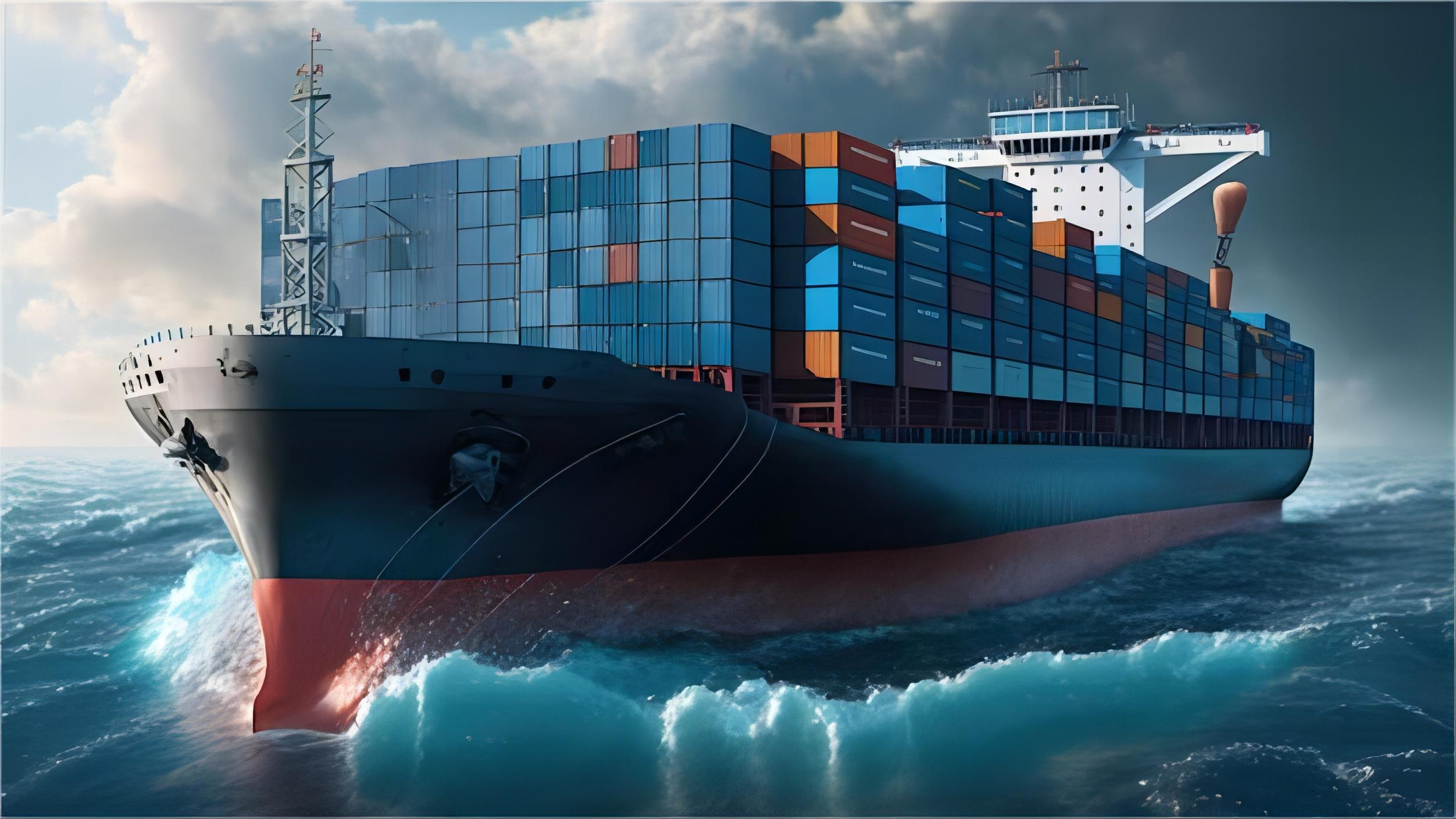
Navigating the complexities of global trade requires a dedicated partner to manage your cargo efficiently. Finding a reliable china freight solution provider for business ensures that your goods move across borders without unnecessary delays or hidden costs. In 2026, the logistics landscape has evolved, demanding more transparency and faster transit times than ever before. This guide explores how professional freight services can transform your import-export operations into a competitive advantage.
✦
Why Your Enterprise Needs a China Freight Solution Provider for Business
Modern businesses face significant challenges when coordinating shipments from manufacturing hubs in Shenzhen or Shanghai. Consequently, partnering with a specialized logistics firm becomes essential for maintaining a healthy supply chain. These experts handle everything from cargo handling to complex documentation, allowing you to focus on core business growth. Moreover, they provide real-time tracking and risk management strategies tailored to current market conditions.
Choosing the right partner means gaining access to a vast network of carriers and local agents. Furthermore, a professional provider understands the nuances of international shipping rates from China, which can fluctuate based on seasonal demand. They act as your advocate, negotiating better terms and ensuring your cargo receives priority during peak seasons. Indeed, the right partnership can reduce your total landed cost significantly over time.
Reliable freight forwarder services offer more than just transportation; they provide strategic insights into global trade compliance 2026. For example, they help you navigate the latest regulations to avoid costly penalties or port delays. Additionally, they offer warehouse storage solutions China for businesses needing to consolidate small orders before international dispatch. Ultimately, this comprehensive support minimizes the operational friction associated with cross-border logistics management.
Evaluating Shipping Methods: Sea, Air, and Rail Freight Options
Determining the most effective transport mode depends on your budget, cargo volume, and required delivery schedule. For instance, sea freight remains the most economical choice for large-scale shipments and bulky items. While it offers the lowest cost per unit, it also requires the longest transit times. Therefore, planning ahead is crucial when choosing ocean transport for your inventory.
On the other hand, air freight provides the speed necessary for high-value electronics or urgent fashion restocks. Although the costs are higher, the reduced transit time can prevent stockouts and improve cash flow. Businesses often utilize air cargo solutions for e-commerce to meet the rapid expectations of modern consumers. Consequently, air transport is often the preferred choice for time-sensitive cargo.
Meanwhile, rail freight offers a middle ground, particularly for routes connecting China to Europe. This method is faster than sea and significantly cheaper than air, making it an excellent alternative for mid-value goods. However, it is important to note that rail options are not available for destinations like Australia or North America. Choosing the right method requires a careful analysis of your specific logistics priorities.
| Shipping Method | Average Cost | Transit Time | Best For |
|---|---|---|---|
| Sea Freight | Low | 25-40 Days | Bulk goods and large volumes |
| Air Freight | High | 3-7 Days | Urgent or high-value items |
| Rail Freight | Medium | 15-22 Days | Mid-range budget and speed |
| Express Service | Very High | 2-5 Days | Small parcels and samples |
How Does Sea Freight Compare to Other Shipping Options?
Analyzing the trade-offs between different logistics modes is vital for any china freight solution provider for business. While sea freight costs approximately 2000 to 3500 dollars for a 40HQ container, air freight for the same volume could exceed 20000 dollars. Nevertheless, the 30 to 40 day wait for ocean transit can be a deal-breaker for seasonal products. Businesses must weigh these financial savings against the potential loss of market opportunity.
For shipments under 15 CBM, Less than Container Load (LCL) at 50 to 80 dollars per CBM might be more economical than a full container. However, Full Container Load (FCL) offers better security and faster handling since the cargo is not mixed with other shippers. Direct routes typically cost 10 to 15 percent more but can save up to a week in transit time compared to transshipment. Understanding these nuances helps in selecting the most efficient shipping strategy.
Hybrid solutions, such as sea-air combinations, are gaining popularity in 2026 for their balance of cost and speed. For example, cargo might move by sea from China to Dubai and then by air to Europe. This approach reduces costs by 40 percent compared to pure air freight while being twice as fast as sea freight. Consequently, savvy importers often use these alternative approaches to optimize their supply chain performance.
| Method | Cost Range | Transit Time | Limitations |
|---|---|---|---|
| FCL (40HQ) | $3,000 – $4,500 | 30-35 Days | Requires high volume |
| LCL (per CBM) | $60 – $120 | 35-45 Days | Risk of minor damage |
| Direct Sea | $3,500 – $5,000 | 28-32 Days | Higher freight rates |
| Sea-Air Hybrid | $5,000 – $8,000 | 15-20 Days | Complex documentation |
Which Option Should You Choose? Decision Framework
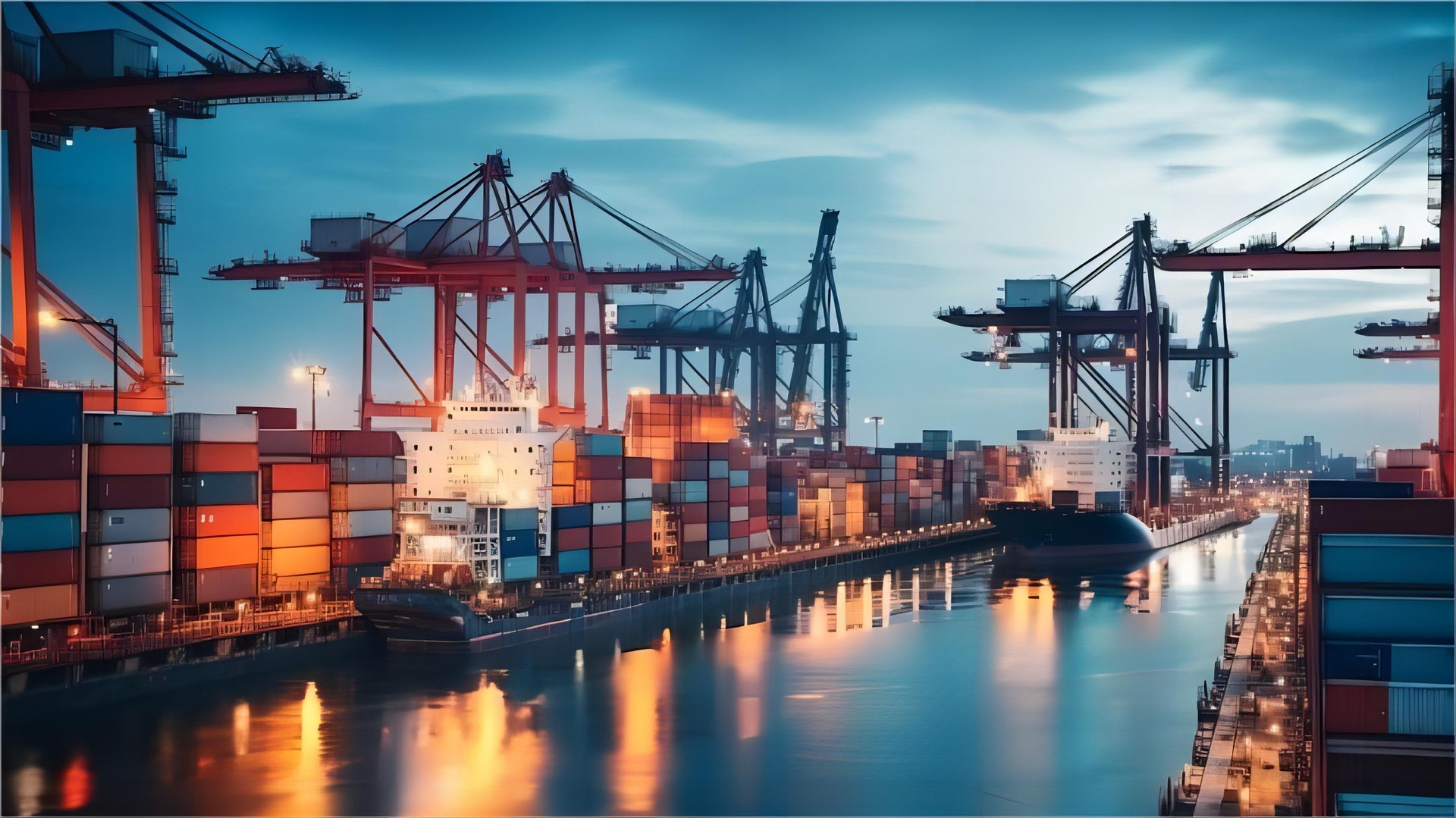
Selecting the ideal logistics path requires a clear understanding of your business priorities. If your primary goal is budget priority, we recommend sea freight for all non-urgent inventory. However, if speed priority is the main concern, air freight or express services are the only viable options. Cargo type considerations also play a role, as hazardous materials or oversized items may have restricted transport paths.
Volume thresholds often dictate when you should switch from LCL to FCL shipping. Generally, if your shipment exceeds 15 CBM, booking a 20GP container becomes more cost-effective. Furthermore, if you are shipping to North America, consider the West Coast versus East Coast port differences. West Coast ports offer faster transit but may involve higher trucking costs to inland destinations.
Sustainable shipping practices are also becoming a significant factor for modern enterprises in 2026. Many businesses now choose rail or sea freight specifically to reduce their carbon footprint compared to air transport. Additionally, consolidating multiple small orders into a single large shipment can lower both costs and environmental impact. Therefore, your decision should align with both financial goals and corporate responsibility values.
The Importance of Professional Customs Brokerage
Successful importing relies heavily on a smooth customs brokerage process to avoid expensive storage fees at the port. Professional brokers ensure that all paperwork, including the Bill of Lading and Commercial Invoice, is perfectly accurate. Consequently, your goods can clear customs within 24 to 48 hours instead of being held for weeks. They also provide guidance on duties and taxes to ensure full global trade compliance 2026.
Customs regulations are frequently updated, making it difficult for individual businesses to stay current. For instance, new environmental levies or trade tariffs can impact your total landed cost without warning. A dedicated china freight solution provider for business monitors these changes and prepares your documentation accordingly. Indeed, having an expert handle the customs clearance process China is a vital safeguard for your operations.
Errors in tariff classification can lead to overpayment of duties or, worse, legal complications with border authorities. Moreover, missing documents can trigger intensive inspections that damage fragile cargo. By utilizing professional brokerage services, you mitigate these risks and ensure a predictable delivery schedule. Ultimately, this expertise is what separates a seamless supply chain from a chaotic one.
Case Study 1: Electronics Distribution to North America
Box Header: Route: Shenzhen, China to Los Angeles, USA
Cargo: Consumer Electronics, 18 CBM, 5200 kg. Container: LCL 18 CBM.
Shipping Details: Carrier: COSCO. Port of Loading: Shenzhen. Port of Discharge: Los Angeles. Route Type: Direct.
Cost Breakdown: Ocean Freight: $1,950. Origin Charges: $450. Destination Charges: $600. Customs and Duties: $1,200. Total Landed Cost: $4,200.
Timeline: Booking to Loading: 3 days. Sea Transit: 16 days. Customs Clearance: 2 days. Total Door-to-Door: 21 days.
Key Insight: Using a direct route to the West Coast saved the client 12 days compared to an East Coast discharge, based on Q3 2025 market rates. Note: Freight rates are subject to change based on fuel costs, carrier capacity, and seasonal demand. Contact us for a current quote tailored to your specific shipment.
Case Study 2: Industrial Machinery to Europe
Box Header: Route: Chengdu, China to Hamburg, Germany
Cargo: Industrial Parts, 28 CBM, 8500 kg. Container: 20GP.
Shipping Details: Carrier: China Railway Express. Port of Loading: Chengdu Rail Terminal. Port of Discharge: Hamburg Terminal. Route Type: Direct Rail.
Cost Breakdown: Rail Freight: $4,800. Origin Charges: $550. Destination Charges: $700. Customs and Duties: $2,100. Total Landed Cost: $8,150.
Timeline: Booking to Loading: 5 days. Rail Transit: 18 days. Customs Clearance: 3 days. Total Door-to-Door: 26 days.
Key Insight: Rail freight provided a 15-day time saving over sea freight at a fraction of the cost of air freight, typical rates as of early 2026. Note: Freight rates are subject to change based on fuel costs, carrier capacity, and seasonal demand. Contact us for a current quote tailored to your specific shipment.

Case Study 3: Furniture Retailer to Australia
Box Header: Route: Ningbo, China to Sydney, Australia
Cargo: Home Furniture, 68 CBM, 12000 kg. Container: 40HQ.
Shipping Details: Carrier: Maersk. Port of Loading: Ningbo. Port of Discharge: Sydney. Route Type: Direct.
Cost Breakdown: Ocean Freight: $1,850. Origin Charges: $400. Destination Charges: $550. Customs and Duties: $950. Total Landed Cost: $3,750.
Timeline: Booking to Loading: 4 days. Sea Transit: 14 days. Customs Clearance: 2 days. Total Door-to-Door: 20 days.
Key Insight: High-volume furniture shipments are most cost-effective via 40HQ containers to Australia, according to industry benchmarks. Note: Freight rates are subject to change based on fuel costs, carrier capacity, and seasonal demand. Contact us for a current quote tailored to your specific shipment.
Specialized Solutions for Amazon FBA Sellers
Selling on global platforms requires a specific type of logistics expertise to meet strict warehouse requirements. An Amazon FBA specialist ensures that your products are labeled, packed, and palletized according to Amazon’s exact standards. Consequently, you avoid the risk of rejected shipments or additional processing fees at the fulfillment center. This specialized service is essential for maintaining a high seller rating.
Shipping to Amazon centers often involves complex last-mile delivery services. For instance, your freight provider must coordinate with Amazon’s scheduling system to secure a delivery slot. Furthermore, they can offer consolidation services where multiple small shipments are combined to reduce the overall door to door shipping costs. This efficiency is particularly beneficial for small to medium-sized enterprises scaling their online presence.
Market data suggests that FBA sellers who use integrated freight solutions see a 20 percent reduction in logistics-related delays. Moreover, these providers often offer freight insurance for importers, protecting your investment against damage during transit. By outsourcing these tasks to a china freight solution provider for business, you can focus on marketing and product development. Indeed, specialized FBA logistics are a cornerstone of modern e-commerce success.
Simplifying Logistics with Door to Door Services
Managing every step of the shipping process can be overwhelming for most business owners. Therefore, opting for door to door service is often the most efficient choice. This all-inclusive option covers everything from factory pickup in China to final delivery at your warehouse in Europe or elsewhere. It provides a single point of contact and one transparent invoice for the entire journey.
Door-to-door logistics eliminate the need for you to coordinate with multiple truckers, brokers, and carriers. Additionally, it provides better visibility into the transit time of your cargo. Most providers offer advanced tracking platforms where you can monitor your shipment’s progress in real-time. Consequently, you can provide more accurate delivery estimates to your own customers, improving overall satisfaction.
While the upfront cost of door-to-door service might seem higher, it often saves money by preventing logistical errors. For example, it reduces the risk of container demurrage or detention fees caused by poor coordination between different parties. Furthermore, the peace of mind knowing your shipment is being handled by experts from start to finish is invaluable. In 2026, this level of service has become the standard for professional business logistics.
Final Thoughts on Choosing Your China Freight Solution Provider for Business
Selecting the right china freight solution provider for business is a strategic decision that impacts your entire bottom line. Throughout this guide, we have explored the various shipping methods, cost considerations, and the importance of professional brokerage. By understanding the 2026 market trends and utilizing the comparison frameworks provided, you can make an informed choice for your enterprise.
Successful logistics management requires a balance of speed, cost, and reliability. Whether you are shipping bulk goods via sea or urgent samples via air, having a dedicated partner ensures your cargo is in safe hands. Remember to evaluate your volume thresholds and consider specialized services like FBA or door-to-door delivery to maximize efficiency. Ultimately, a strong logistics partnership is the foundation of sustainable international trade growth.