
China FBA Logistics Inquiry: Expert Global Freight Forwarding Guide 2026
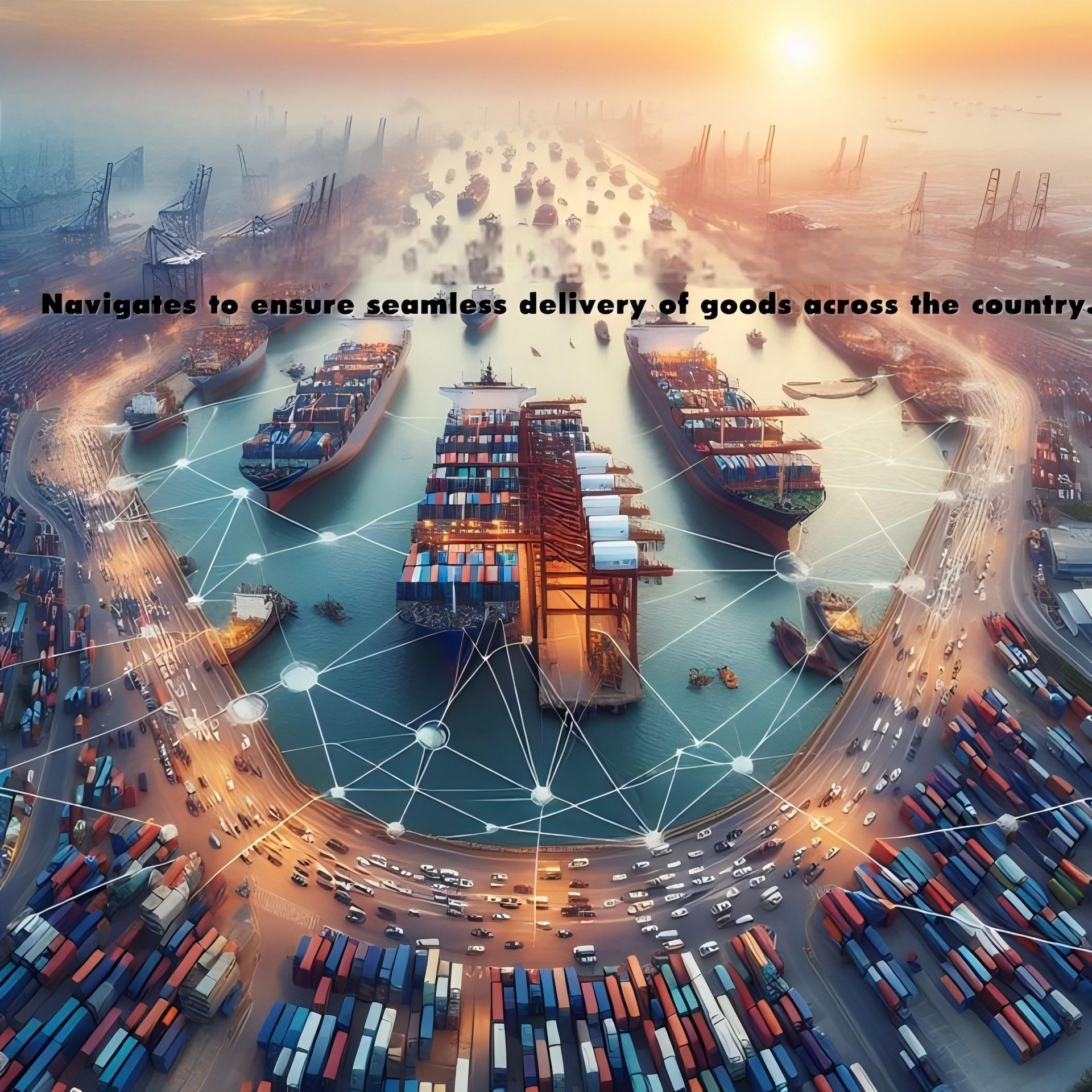
Optimizing your supply chain starts with a professional China FBA logistics inquiry to ensure seamless delivery from your supplier to Amazon warehouses. Navigating complex international shipping requires a reliable partner, and you can explore comprehensive solutions at https://chinatranslink.com/ to streamline your operations. By selecting the right global freight forwarding service, you effectively minimize risks and reduce landed costs.
Understanding the China FBA Logistics Inquiry Process
A successful logistics strategy begins when you submit a detailed China FBA logistics inquiry to your chosen forwarder. You must provide accurate cargo dimensions, weight, and the specific destination Amazon warehouse codes to receive a precise quote. Furthermore, clear communication regarding product types allows forwarders to suggest the best Amazon FBA preparation methods.

Additionally, understanding the nuance of customs regulations is vital for avoiding delays. Experienced professionals at China Trans Link ensure your documentation is compliant with international standards. Consequently, your inventory reaches the fulfillment center without unnecessary hold-ups at the border.
Why Choose Professional Global Freight Forwarding Services?
Global freight forwarding services offer more than just transportation; they provide end-to-end visibility for your supply chain. For instance, if you require door to door delivery, your forwarder coordinates every leg of the journey. This eliminates the need for you to manage multiple carriers.
Moreover, experts navigate complex customs brokerage procedures on your behalf. This expertise is particularly valuable when shipping to competitive markets like North America or Europe. By leveraging their network, you secure lower freight rates than those available to individual shippers.
Comparing Shipping Modes for Your Cargo
Choosing the right transport mode depends on your budget and inventory urgency. For large, non-urgent orders, sea freight remains the most cost-effective solution. Conversely, if you are launching a new product, air freight provides the rapid transit time required to capture market demand.
For specific regions like Central Asia or Europe, rail freight offers a balanced alternative. It is faster than sea but significantly cheaper than air, making it an excellent middle-ground strategy for many businesses.
| Method | Cost | Transit Time | Best For |
|---|---|---|---|
| Sea | Lowest | 25-45 Days | Bulk Inventory |
| Rail | Moderate | 15-20 Days | Europe Routes |
| Air | Highest | 5-10 Days | High Value/Urgent |
How Does Sea Freight Compare to Other Shipping Options?
Sea freight generally costs between 2,000 and 4,000 USD for a container, whereas air freight for similar volume often exceeds 15,000 USD. Nevertheless, sea transit times can reach 40 days, which requires advanced inventory planning. Therefore, you must balance your storage costs against potential stockouts.
In contrast, rail freight serves as a strategic hybrid for shipments to Europe. It avoids the congestion seen at major ocean ports while maintaining a reasonable price point. Ultimately, your choice should align with your specific product lifecycle and cash flow requirements.
Real Case Studies in Logistics Success
Case Study 1: Electronics to USA
Route: Shenzhen to Los Angeles. Cargo: 5 CBM of consumer electronics. Shipping Method: LCL Sea Freight. Total Landed Cost: 1,200 USD. Transit Time: 22 days. Insight: Consolidating cargo reduced costs by 30% compared to direct air shipping.
Case Study 2: Apparel to Australia
Route: Guangzhou to Sydney. Cargo: 10 CBM of textiles. Shipping Method: Australia Sea Freight. Total Landed Cost: 950 USD. Transit Time: 18 days. Insight: Pre-booking during off-peak season ensured space availability and stable pricing.
Summary of Success
Mastering your China FBA logistics inquiry involves careful planning, selecting the right shipping mode, and partnering with a reliable forwarder. By focusing on cost-efficiency and transit precision, you set your business up for long-term growth.
Remember that market rates fluctuate, so staying informed is crucial for maintaining profitability. If you are ready to scale, reach out to professional global freight forwarding service providers to streamline your path to success.
Need a tailored shipping solution?
Ready to optimize your supply chain? Submit your China FBA logistics inquiry today and receive a tailored shipping plan from our expert team. Contact us now to get started!