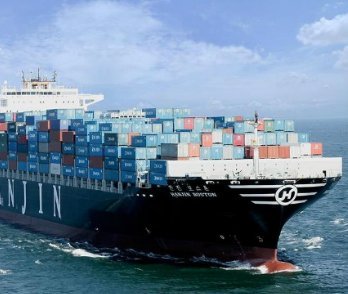
China Trans Link delivers efficient and reliable shipping services from China to Italy. With extensive expertise in international logistics, we provide tailored solutions for all types of cargo—commercial or personal. Expect secure handling, timely delivery, and competitive pricing.
China Trans Link offers dependable sea freight services from China to Italy. Combining safety, efficiency, and cost-effectiveness, we ensure every shipment reaches its destination smoothly and on schedule.
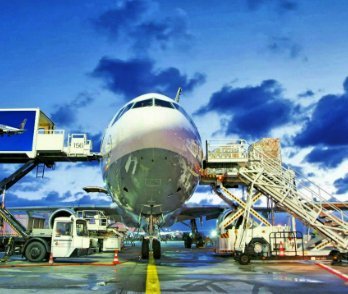
For urgent shipments, China Trans Link provides fast and secure air freight services from China to Italy. Our optimized logistics network guarantees timely delivery, real-time tracking, and peace of mind for your cargo.
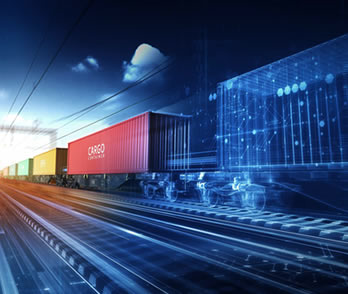
Simplify your logistics with China Trans Link’s fully integrated door-to-door service. From pickup at your supplier to final delivery in Italy, we handle every step efficiently, safely, and on schedule.
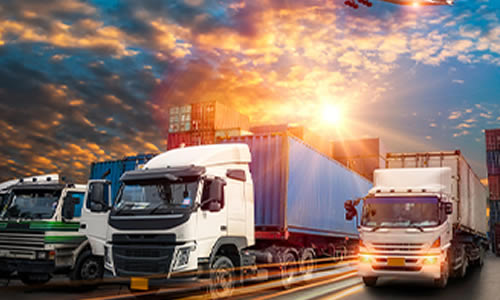
China Trans Link specializes in Full Container Load (FCL) shipping from China to Italy. Leveraging advanced technology and an experienced logistics team, we ensure secure loading, timely transport, and cost-effective management.
Optimize smaller shipments with China Trans Link’s Less than Container Load (LCL) solutions. By consolidating cargo efficiently, we minimize costs while ensuring careful handling, full visibility, and on-time delivery.
We provide fuel-efficient pickup and delivery services across China and North America, ensuring smooth cargo movement at both origin and destination. Our coordinated inland transportation reduces delays, controls costs, and supports flexible shipping schedules tailored to your logistics requirements.
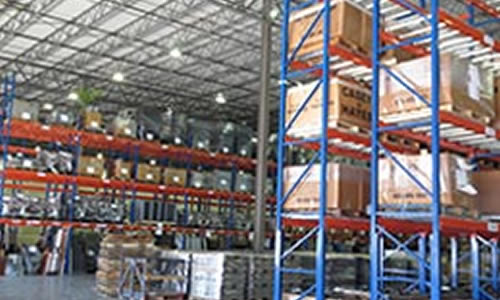
China Trans Link offers secure and flexible warehousing services to support North America–bound shipments. Our facilities enable short-term and long-term storage, cargo consolidation, and shipment preparation, helping clients optimize inventory management and shipping timelines.
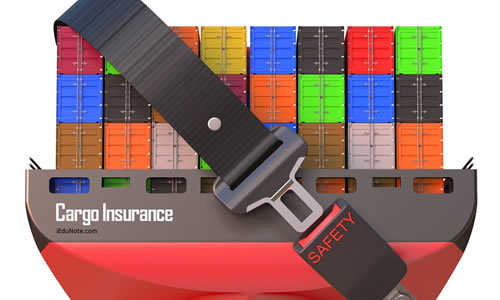
To safeguard your shipments, we offer comprehensive cargo insurance coverage for goods shipped from China to North America. Insurance protection extends throughout the entire transportation journey, reducing risk and providing peace of mind for high-value and sensitive cargo.
Our professional customs clearance services ensure compliant and efficient processing for shipments to North America. With in-depth knowledge of customs regulations and documentation requirements, we minimize clearance delays and help cargo move smoothly through border controls.
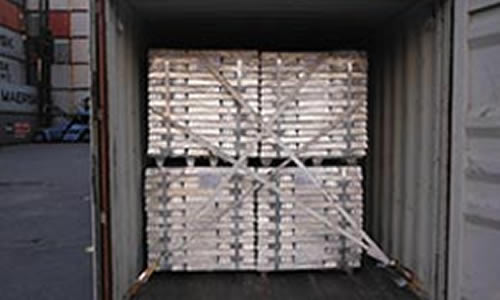
We provide loading inspection and supervision services at suppliers’ factories to ensure proper packaging, accurate quantities, and secure loading. This proactive approach helps reduce transit risks and protects cargo integrity from the very beginning of the shipment.
With China Trans Link, your logistics chain to Italy is secure, streamlined, and hassle-free.
Shipping times from China to Italy depend on the chosen method (air, sea, express), the route taken, customs clearance, and the specific logistics arrangements. Air freight is faster but more costly, while sea freight is economical but slower. Delays may occur due to customs procedures or unforeseen transport issues.
Tracking your shipment involves using tracking numbers provided by your freight forwarder or carrier. Most companies offer online tracking systems that provide real-time updates on your shipment’s location and status. Ensure to enter the correct tracking number on the carrier’s website for accurate information.
Customs requirements include accurate and complete documentation such as invoices, packing lists, and certificates of origin. Goods must comply with Italian regulations and tariffs. Properly classified and documented shipments reduce the risk of delays or additional charges during customs clearance.
To minimize shipping costs, consider consolidating shipments to lower per-unit costs, opting for sea freight over air freight, and negotiating rates with freight forwarders. Efficient packaging and choosing less urgent shipping options can also help in reducing overall expenses.
If your shipment is delayed, first check the tracking system for updates. Contact your freight forwarder or carrier for more details. They can provide information on the cause of the delay and expected resolution time. Having clear communication helps in managing and mitigating any issues.
Yes, certain items may be restricted or prohibited due to Italian import regulations. These can include hazardous materials, restricted chemicals, and specific agricultural products. Always verify with customs or your freight forwarder to ensure compliance with import restrictions and avoid shipment issues.
Essential documents include the commercial invoice, packing list, bill of lading or air waybill, and any required certificates (e.g., certificates of origin, inspection certificates). Ensure all documents are accurate and complete to facilitate smooth customs clearance and delivery.
Sea freight is generally more cost-effective for large or heavy shipments but takes longer, typically 30 to 45 days. Air freight is faster, usually taking 7 to 10 days, but is more expensive. The choice depends on your budget, time sensitivity, and shipment size.
A freight forwarder manages the logistics of shipping goods, including booking transport, handling documentation, and coordinating with carriers. They ensure that shipments comply with regulations, offer advice on the best shipping methods, and handle any issues that arise during transit.
Yes, insuring your shipment is advisable to protect against risks such as damage, loss, or theft. Insurance can be arranged through your freight forwarder or independently. Review insurance options and coverage details to ensure your goods are adequately protected throughout the journey.
Vehicle operations involve the methods of running vehicles, the procedures in place for this purpose, and the related policies. In the transport industry, the management of operations and ownership of infrastructure can vary by country.
Operations cover how vehicles are run, the procedures established to support them, and relevant policies. In transportation, the way operations are handled and who owns the infrastructure varies from country to country.
Managing vehicle operations includes overseeing how vehicles are run, implementing the necessary procedures, and applying relevant policies. In the transport industry, both the way operations are conducted and who owns the infrastructure can change from one country to another.