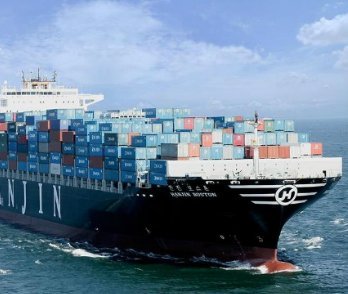
China Trans Link provides professional and reliable shipping solutions from China to Western Sahara. We manage the full logistics chain—from cargo pickup at your supplier in China, export documentation, and customs clearance, to final delivery at your warehouse, office, or project site in Western Sahara. Whether shipping industrial machinery, consumer goods, textiles, or electronics, we ensure secure, efficient, and cost-effective transportation tailored to your business needs.
Western Sahara has limited port infrastructure, so China Trans Link coordinates shipments via nearby Moroccan ports such as Laayoune or Dakhla. We handle both Full Container Load (FCL) and Less-than-Container Load (LCL) shipments, ensuring smooth port operations, secure cargo handling, and reliable inland transport to your destination.
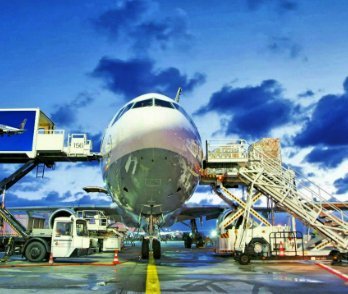
For urgent or time-sensitive shipments, China Trans Link offers fast and reliable air freight services. Partnering with leading airlines and regional hubs, we ensure seamless transit, accurate documentation, and hassle-free customs clearance. Air freight is ideal for perishable goods, high-value products, and medical supplies requiring rapid delivery.

China Trans Link specializes in integrated door-to-door shipping solutions. From factory pickup in China to delivery at your warehouse or project site in Western Sahara, we manage every step—including port handling, customs clearance, and last-mile delivery. This comprehensive service ensures minimal delays and full shipment visibility.

Our Full Container Load (FCL) service is ideal for large shipments. China Trans Link oversees container allocation, professional loading, customs documentation, and inland transport. FCL shipments benefit from dedicated container space, faster transit, and maximum cargo security.
For smaller shipments, China Trans Link provides flexible Less-than-Container Load (LCL) services. Multiple shipments are consolidated into shared containers, reducing costs while ensuring timely and reliable delivery. Each LCL shipment is carefully handled, fully documented, and dispatched punctually.
We provide fuel-efficient pickup and delivery services across China and North America, ensuring smooth cargo movement at both origin and destination. Our coordinated inland transportation reduces delays, controls costs, and supports flexible shipping schedules tailored to your logistics requirements.
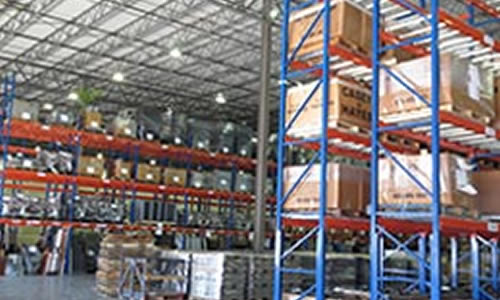
China Trans Link offers secure and flexible warehousing services to support North America–bound shipments. Our facilities enable short-term and long-term storage, cargo consolidation, and shipment preparation, helping clients optimize inventory management and shipping timelines.
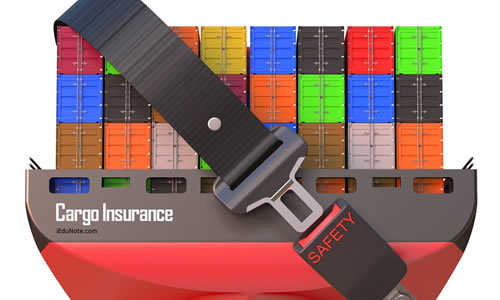
To safeguard your shipments, we offer comprehensive cargo insurance coverage for goods shipped from China to North America. Insurance protection extends throughout the entire transportation journey, reducing risk and providing peace of mind for high-value and sensitive cargo.

Our professional customs clearance services ensure compliant and efficient processing for shipments to North America. With in-depth knowledge of customs regulations and documentation requirements, we minimize clearance delays and help cargo move smoothly through border controls.
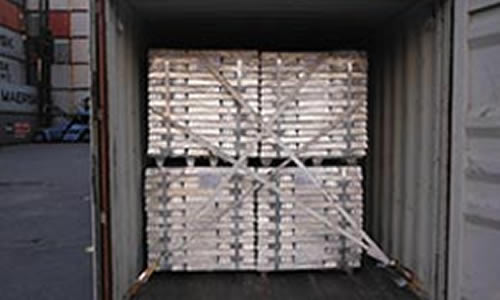
We provide loading inspection and supervision services at suppliers’ factories to ensure proper packaging, accurate quantities, and secure loading. This proactive approach helps reduce transit risks and protects cargo integrity from the very beginning of the shipment.

With China Trans Link, your shipments from China to Western Sahara are handled efficiently, securely, and reliably, providing peace of mind and dependable service for every delivery.
Several factors influence shipping times from China to Western Sahara, including the chosen shipping method (sea or air freight), weather conditions, customs clearance procedures, and the efficiency of the logistics companies involved. Sea freight is usually slower but more economical, while air freight offers faster delivery at a higher cost. Additionally, unforeseen events like port congestion or political instability can also impact shipping durations.
The main shipping methods from China to Western Sahara include sea freight and air freight. Sea freight is cost-effective for large shipments and typically takes 30 to 45 days. Air freight, while significantly faster, often costs more and is suitable for smaller, time-sensitive shipments. Freight forwarders and logistics companies can help determine the best method based on the shipment size, budget, and urgency.
Sea freight is generally more affordable and ideal for large or bulky shipments, with transit times ranging from 30 to 45 days. It involves container shipping via cargo ships. In contrast, air freight is much faster, often taking less than a week, but it comes with higher costs. The choice between sea and air freight depends on the shipment’s size, urgency, and budget constraints.
Freight forwarders offer numerous benefits, including expert knowledge of shipping routes, customs regulations, and documentation requirements. They can negotiate better shipping rates, consolidate shipments, and provide end-to-end logistics solutions. Utilizing a freight forwarder can streamline the shipping process, reduce transit times, and ensure compliance with international shipping standards, making the entire process more efficient and cost-effective.
Key documents for shipping from China to Western Sahara include the bill of lading, commercial invoice, packing list, certificate of origin, and any relevant import/export permits. Accurate and complete documentation is crucial to avoid delays in customs clearance and ensure smooth transit. Additionally, depending on the nature of the goods, other specific certificates or licenses may be required.
Customs clearance is a critical factor that can significantly affect shipping times. Delays in documentation, inspections, or compliance with import regulations can extend transit durations. Efficient customs procedures, accurate paperwork, and adherence to local regulations are essential to minimize delays. Working with experienced customs brokers or freight forwarders can help navigate these complexities and expedite the process.
Insurance is vital in protecting shipments from potential risks such as damage, loss, or theft during transit. It provides financial coverage and peace of mind, ensuring that any unforeseen incidents do not result in significant financial losses. Freight insurance options vary, so it is essential to choose a policy that covers the specific needs and value of the goods being shipped.
Port congestion and logistical challenges can lead to significant delays in shipping. High traffic volumes, limited port capacity, and inefficient handling procedures contribute to longer wait times for unloading and loading cargo. Additionally, logistical challenges such as inadequate infrastructure or transportation strikes can further disrupt schedules. Effective planning, real-time tracking, and alternative routing can help mitigate these issues.
The cost of shipping from China to Western Sahara varies based on the chosen method. Sea freight is typically more economical, suitable for large shipments, but involves longer transit times. Air freight, while faster, incurs higher costs, making it ideal for smaller, urgent shipments. Balancing cost, speed, and the nature of the goods is crucial in selecting the appropriate shipping method.
Businesses can optimize shipping strategies by analyzing their supply chain, choosing the appropriate shipping method, and leveraging technology for real-time tracking and communication. Collaborating with reliable freight forwarders and logistics partners ensures efficient handling and transit. Regularly reviewing shipping performance, costs, and market conditions also helps in making informed decisions to enhance efficiency and cost-effectiveness.
Vehicle operations involve the methods of running vehicles, the procedures in place for this purpose, and the related policies. In the transport industry, the management of operations and ownership of infrastructure can vary by country.
Managing vehicle operations includes overseeing how vehicles are run, implementing the necessary procedures, and applying relevant policies. In the transport industry, both the way operations are conducted and who owns the infrastructure can change from one country to another.
Operations cover how vehicles are run, the procedures established to support them, and relevant policies. In transportation, the way operations are handled and who owns the infrastructure varies from country to country.