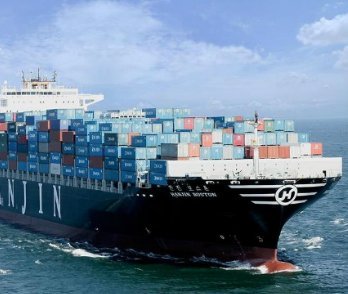
China Trans Link provides professional and reliable shipping services from China to Mongolia, catering to both businesses and individual clients. Leveraging our extensive logistics experience, we manage every stage of your shipment—from secure packaging and careful cargo handling to customs clearance and final delivery. Whether transporting commercial goods, industrial products, or personal items, we ensure your Mongolia-bound shipments arrive safely, on time, and without hassle.
Although Mongolia is landlocked, China Trans Link coordinates sea freight to nearby Chinese ports such as Tianjin or Shanghai, followed by overland transport via rail or truck to Mongolia. We consolidate cargo efficiently, schedule shipments, and monitor every stage to ensure smooth, cost-effective, and timely delivery. Sea freight plus overland transit is ideal for bulk shipments, heavy machinery, and large-volume goods.
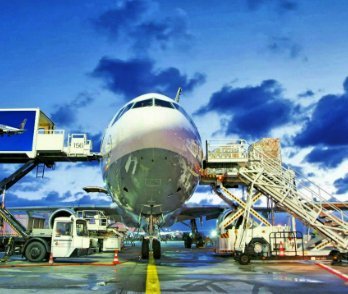
For fast and secure deliveries, China Trans Link provides air freight services from China to Mongolia via Chinggis Khaan International Airport in Ulaanbaatar. Air freight is ideal for high-value, perishable, or urgent cargo, offering real-time tracking, professional handling, and minimal transit times, ensuring your shipments reach Mongolia quickly and safely.

Simplify your logistics with China Trans Link’s fully integrated door-to-door shipping service to Mongolia. From supplier pickup in China to delivery at your warehouse, retail outlet, or personal address in Mongolia, we manage every stage—including transportation, documentation, customs clearance, and last-mile delivery. Our focus is on efficiency, safety, and reliability, allowing you to focus on your business while we handle all logistics details.
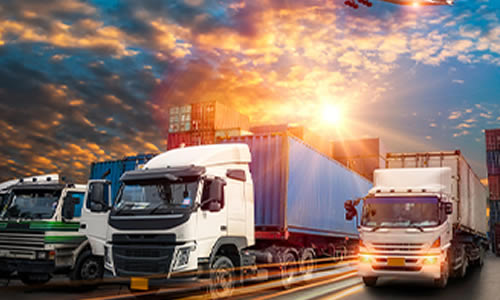
For larger shipments, China Trans Link’s Full Container Load (FCL) service ensures secure container loading, efficient sea and overland transit, and cost-effective management to Mongolia. Our experienced logistics team supervises every step—from port handling to inland delivery—providing peace of mind for bulk shipments.
For smaller or partial container shipments, China Trans Link’s Less than Container Load (LCL) service consolidates cargo efficiently, reducing costs while ensuring careful handling and timely delivery. This flexible solution is ideal for businesses needing reliable shipping without committing to a full container.
We provide fuel-efficient pickup and delivery services across China and North America, ensuring smooth cargo movement at both origin and destination. Our coordinated inland transportation reduces delays, controls costs, and supports flexible shipping schedules tailored to your logistics requirements.
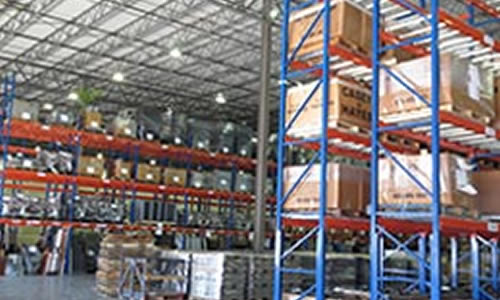
China Trans Link offers secure and flexible warehousing services to support North America–bound shipments. Our facilities enable short-term and long-term storage, cargo consolidation, and shipment preparation, helping clients optimize inventory management and shipping timelines.
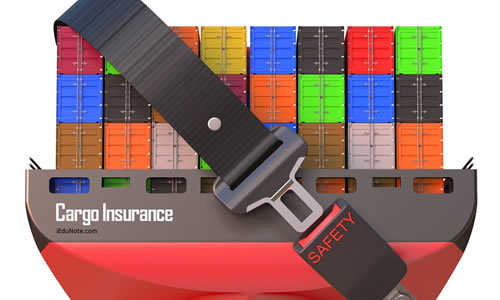
To safeguard your shipments, we offer comprehensive cargo insurance coverage for goods shipped from China to North America. Insurance protection extends throughout the entire transportation journey, reducing risk and providing peace of mind for high-value and sensitive cargo.

Our professional customs clearance services ensure compliant and efficient processing for shipments to North America. With in-depth knowledge of customs regulations and documentation requirements, we minimize clearance delays and help cargo move smoothly through border controls.
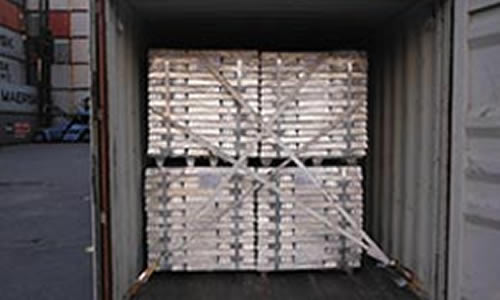
We provide loading inspection and supervision services at suppliers’ factories to ensure proper packaging, accurate quantities, and secure loading. This proactive approach helps reduce transit risks and protects cargo integrity from the very beginning of the shipment.

Shipping from China to Mongolia can face challenges such as harsh weather conditions, complex customs procedures, and potential transportation delays. Ensuring proper documentation, using robust packaging, and partnering with experienced freight forwarders can help mitigate these issues.
When choosing a freight forwarder for shipping to Mongolia, consider their experience, customer reviews, compliance with regulations, and safety protocols. A reputable forwarder will provide reliable services and have a track record of successful shipments to Mongolia.
For fragile items, use bubble wrap, foam padding, and sturdy boxes to prevent damage during transit. Ensure that items are well-secured within the packaging and consider using double-boxing for extra protection.
Real-time tracking technology allows you to monitor the progress of your shipments, providing updates on location and status. This helps in promptly addressing any issues that may arise and ensures better communication with all parties involved.
For high-value shipments, comprehensive insurance policies are available that cover risks such as loss, theft, and damage. It is important to review the coverage details and consider additional insurance for items that require special protection.
Key regulations include compliance with customs procedures, safety standards, and environmental regulations. Accurate and complete documentation is essential to avoid delays, fines, and other penalties during the shipping process.
To ensure the security of shipments, use sealed containers, secure storage facilities, and implement monitoring during loading and unloading. Additionally, work with freight forwarders who have strong security protocols in place.
Risk assessment helps identify potential hazards during transit, allowing for the development of contingency plans. This proactive approach minimizes the impact of adverse conditions or delays and ensures smoother shipping operations.
Personnel handling hazardous materials should receive training on safety procedures, proper handling techniques, and emergency response protocols. This ensures compliance with regulations and reduces the risk of accidents during transit.
Continuous improvement practices involve regularly evaluating and updating safety protocols based on feedback and industry developments. This leads to increased efficiency, reduced risks, and enhanced reliability in shipping operations.
Managing vehicle operations includes overseeing how vehicles are run, implementing the necessary procedures, and applying relevant policies. In the transport industry, both the way operations are conducted and who owns the infrastructure can change from one country to another.
Operations cover how vehicles are run, the procedures established to support them, and relevant policies. In transportation, the way operations are handled and who owns the infrastructure varies from country to country.
Operations encompass how vehicles are managed, the procedures established to guide them, and the related policies. In the transportation sector, both the management of operations and the ownership of infrastructure may vary depending on the country.