China Trans Link provides professional and reliable shipping services from China to Kazakhstan, serving both businesses and individual clients. With extensive experience in international logistics, we manage every stage of your shipment—from secure packaging and careful cargo handling to customs clearance and final delivery. Whether transporting commercial goods, industrial products, or personal items, we ensure your Kazakhstan-bound shipments arrive safely, on time, and without hassle.
Although Kazakhstan is a landlocked country, China Trans Link coordinates sea freight to major Chinese ports such as Tianjin, Shanghai, or Lianyungang, followed by overland rail or truck transport into Kazakhstan. We consolidate cargo efficiently, schedule shipments, and monitor every stage to ensure smooth, cost-effective, and timely delivery. Sea freight combined with overland transport is ideal for bulk shipments, heavy machinery, and large-volume goods.
For fast and secure deliveries, China Trans Link provides air freight services from China to Kazakhstan via Nursultan Nazarbayev International Airport or Almaty International Airport. Air freight is ideal for high-value, perishable, or urgent cargo, offering real-time tracking, professional handling, and minimal transit times to ensure your shipments arrive safely.
Simplify your logistics with China Trans Link’s fully integrated door-to-door shipping service to Kazakhstan. From supplier pickup in China to delivery at your warehouse, retail outlet, or personal address in Kazakhstan, we manage every stage—including transportation, documentation, customs clearance, and last-mile delivery. Our focus is on efficiency, safety, and reliability, allowing you to focus on your business while we handle all logistics details.
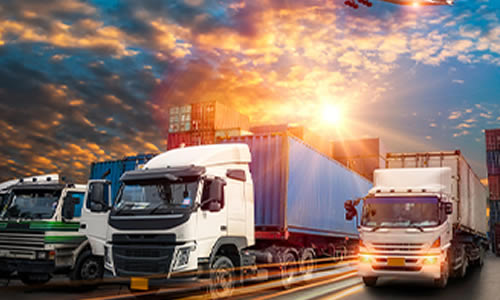
For larger shipments, China Trans Link’s Full Container Load (FCL) service ensures secure container loading, efficient sea-to-land transit, and cost-effective management to Kazakhstan. Our experienced logistics team supervises every step—from port handling to inland delivery—providing peace of mind for bulk shipments.
For smaller or partial container shipments, China Trans Link’s Less than Container Load (LCL) service consolidates cargo efficiently, reducing costs while ensuring careful handling and timely delivery. This flexible solution is ideal for businesses needing reliable shipping without committing to a full container.
We provide fuel-efficient pickup and delivery services across China and North America, ensuring smooth cargo movement at both origin and destination. Our coordinated inland transportation reduces delays, controls costs, and supports flexible shipping schedules tailored to your logistics requirements.
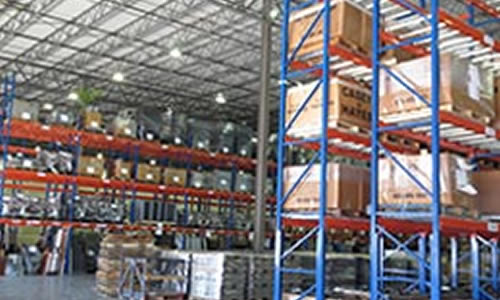
China Trans Link offers secure and flexible warehousing services to support North America–bound shipments. Our facilities enable short-term and long-term storage, cargo consolidation, and shipment preparation, helping clients optimize inventory management and shipping timelines.
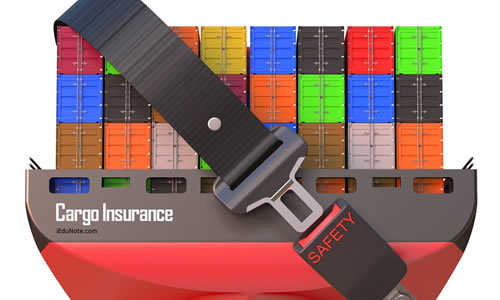
To safeguard your shipments, we offer comprehensive cargo insurance coverage for goods shipped from China to North America. Insurance protection extends throughout the entire transportation journey, reducing risk and providing peace of mind for high-value and sensitive cargo.

Our professional customs clearance services ensure compliant and efficient processing for shipments to North America. With in-depth knowledge of customs regulations and documentation requirements, we minimize clearance delays and help cargo move smoothly through border controls.
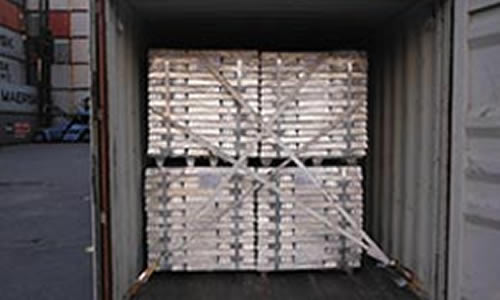
We provide loading inspection and supervision services at suppliers’ factories to ensure proper packaging, accurate quantities, and secure loading. This proactive approach helps reduce transit risks and protects cargo integrity from the very beginning of the shipment.

Rail freight via the China-Europe Railway Express (Dostyk/Altynkol crossings) takes 12–18 days to Almaty/Nur-Sultan. Add 3–5 days for inland delivery to Karaganda or Shymkent.
Key documents include commercial invoices, packing lists, Bills of Lading, EAC certificates (for Eurasian Economic Union compliance), and import declarations.
Customs duty: 0–20% based on HS code. VAT: 12% on CIF value + duties. Goods under 200,000 KZT (≈ $400) are VAT-exempt.
Yes, but food requires sanitary certificates, and pharmaceuticals must meet EAEU standards. Partner with forwarders experienced in EAC compliance.
Use ePacket or AliExpress Standard Shipping for parcels under 2kg (15–25 days, $8–$15). For bulk orders, rail freight LCL is cost-effective.
Opt for DDP shipping (forwarder handles taxes) and ensure accurate EAC certification. Work with agents familiar with Kazakhstan’s customs system (e.g., Asycuda World).
Several reputable freight forwarders specialize in routes between China and Kazakhstan, including DHL, FedEx, and local forwarders with expertise in Central Asian logistics. Researching their services and reviews can help in selecting a reliable partner.
Packaging should ensure that goods are protected from damage during transit. Use sturdy materials and appropriate padding, especially for fragile items. Consider customs regulations and the nature of the goods when packaging.
Seasonal factors like winter weather can impact shipping times, particularly for sea freight. Delays due to adverse weather conditions or increased demand during peak seasons can affect transit times.
When shipping goods from China to Kazakhstan, you typically need several documents to ensure smooth customs clearance and transportation. Here's a list of common documents you may need:
Commercial Invoice: This document provides details about the goods being shipped, including their description, quantity, value, and the terms of sale. It's essential to ensure that the information on the commercial invoice matches the details of the shipment.
Packing List: A detailed list of all the items included in the shipment, specifying the quantity, weight, and dimensions of each item. The packing list helps customs authorities verify the contents of the shipment and ensures accurate customs declaration.
Bill of Lading (B/L): This serves as a receipt of goods from the carrier and is a contract between the shipper and the carrier. The Bill of Lading includes information about the shipment, such as the consignee, shipper, destination port, and terms of shipment. It's crucial for the transportation and delivery of the goods.
Certificate of Origin: This document certifies the origin of the goods and may be required for customs clearance. It indicates where the goods were manufactured or produced and helps determine eligibility for preferential trade agreements or tariff benefits.
Customs Declaration/Form: This form provides information about the contents of the shipment and is used by customs authorities to assess duties and taxes. It's essential to accurately complete the customs declaration to comply with Kazakhstan's import regulations.
Import License (if applicable): Certain goods may require an import license from Kazakhstan's government before they can be cleared through customs. Check with local authorities or your freight forwarder to determine if your goods require an import license.
Insurance Certificate: This document provides evidence of insurance coverage for the shipment and is often required by both the buyer and the seller. It helps protect the interests of all parties involved in the shipment.
Export License (if applicable): Certain goods may require an export license from Chinese authorities before they can be shipped out of the country. Verify if your goods require an export license and obtain it before shipping.
Other Certifications or Documentation: Depending on the nature of the goods being shipped, additional certificates or documentation may be required. For example, agricultural products may require a phytosanitary certificate, and hazardous materials may require a Material Safety Data Sheet (MSDS).
It's essential to consult with your freight forwarder, shipping agent, or customs broker to ensure you have all the necessary documentation for your specific shipment. Requirements may vary based on factors such as the type of goods, shipping method, and regulations in both China and Kazakhstan. Additionally, political and economic factors may influence documentation requirements, so it's crucial to stay updated on any changes in regulations
Vehicle operations involve the methods of running vehicles, the procedures in place for this purpose, and the related policies. In the transport industry, the management of operations and ownership of infrastructure can vary by country.
Operations encompass how vehicles are managed, the procedures established to guide them, and the related policies. In the transportation sector, both the management of operations and the ownership of infrastructure may vary depending on the country.
Operations cover how vehicles are run, the procedures established to support them, and relevant policies. In transportation, the way operations are handled and who owns the infrastructure varies from country to country.