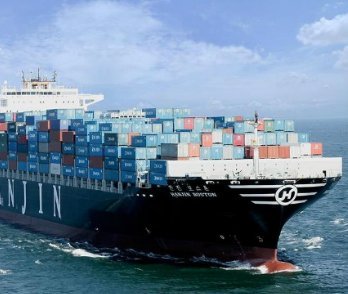
China Trans Link offers reliable and professional shipping services from China to the Solomon Islands. We manage every aspect of your shipment, from booking and export documentation to customs clearance and final delivery. Whether you are shipping consumer goods, electronics, or industrial equipment, our team ensures safe, efficient, and cost-effective transportation. We focus on minimizing transit delays while keeping you informed at every stage of the shipment.
Our sea freight services provide dependable and flexible solutions for shipments to the Solomon Islands. China Trans Link handles both Full Container Load (FCL) and Less-than-Container Load (LCL) shipments, offering optimized sailing schedules and secure cargo handling. With established routes and trusted port partnerships, we guarantee timely deliveries and smooth ocean freight operations.
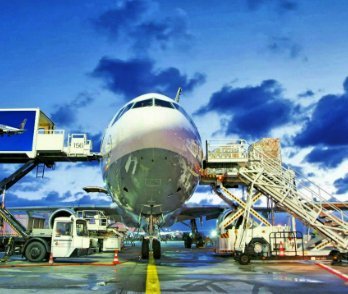
For urgent shipments, China Trans Link offers fast and secure air freight services. Coordinating with major airlines, we ensure smooth customs clearance and timely delivery. From small parcels to larger cargo, our air freight solutions ensure your shipments reach the Solomon Islands safely, quickly, and at competitive rates.

China Trans Link specializes in comprehensive door-to-door shipping. From factory pickup in China to delivery at your warehouse, office, or distribution center in the Solomon Islands, we manage every step of the process. This integrated approach reduces logistical complexity, prevents errors, and provides full shipment visibility.
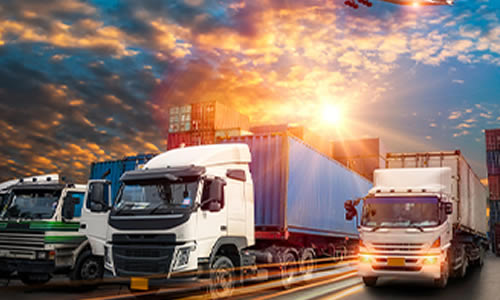
Our Full Container Load (FCL) service is ideal for large-volume shipments. China Trans Link oversees container loading, secure packaging, customs clearance, and port handling to ensure smooth operations. FCL shipping allows businesses to optimize costs while ensuring timely and secure delivery of bulk cargo to the Solomon Islands.
For smaller shipments, China Trans Link provides flexible and cost-efficient Less-than-Container Load (LCL) solutions. By consolidating cargo from multiple clients, we reduce shipping costs without compromising on reliability. Every shipment receives professional handling, proper documentation, and punctual delivery.
We provide fuel-efficient pickup and delivery services across China and North America, ensuring smooth cargo movement at both origin and destination. Our coordinated inland transportation reduces delays, controls costs, and supports flexible shipping schedules tailored to your logistics requirements.
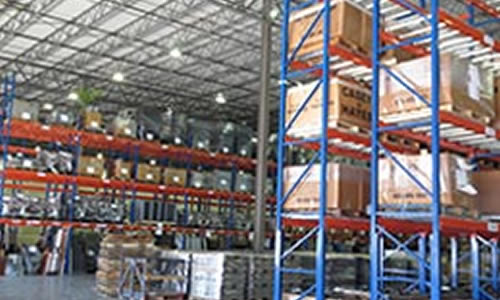
China Trans Link offers secure and flexible warehousing services to support North America–bound shipments. Our facilities enable short-term and long-term storage, cargo consolidation, and shipment preparation, helping clients optimize inventory management and shipping timelines.
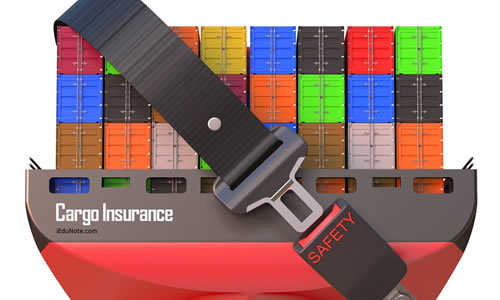
To safeguard your shipments, we offer comprehensive cargo insurance coverage for goods shipped from China to North America. Insurance protection extends throughout the entire transportation journey, reducing risk and providing peace of mind for high-value and sensitive cargo.

Our professional customs clearance services ensure compliant and efficient processing for shipments to North America. With in-depth knowledge of customs regulations and documentation requirements, we minimize clearance delays and help cargo move smoothly through border controls.
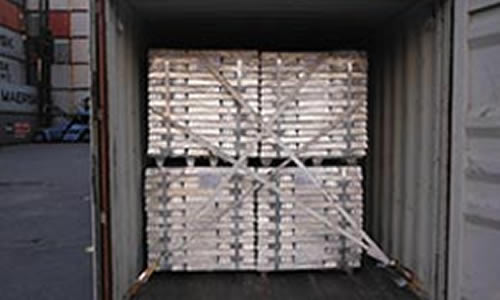
We provide loading inspection and supervision services at suppliers’ factories to ensure proper packaging, accurate quantities, and secure loading. This proactive approach helps reduce transit risks and protects cargo integrity from the very beginning of the shipment.
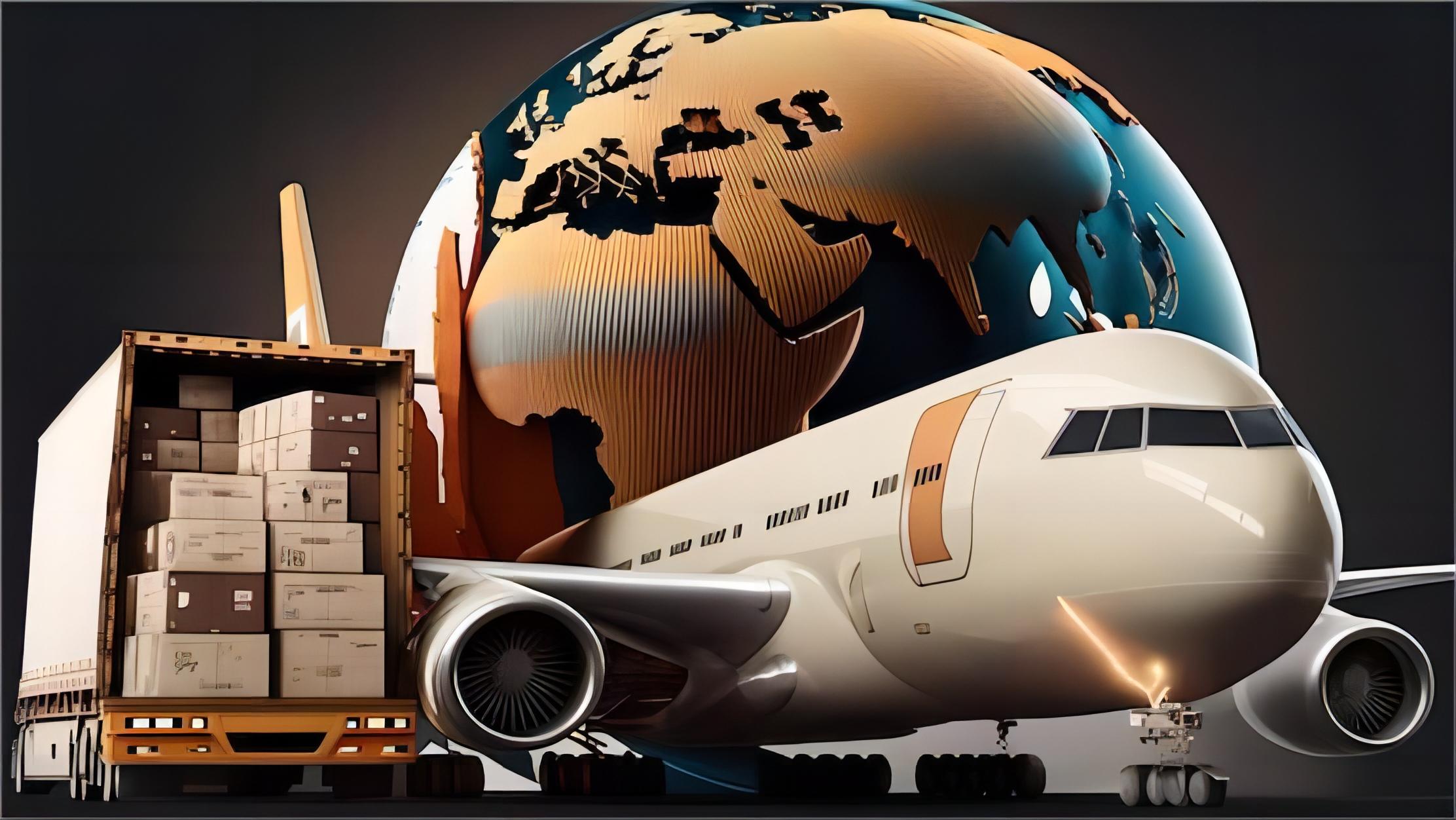
Several factors affect shipping time, including the chosen shipping method (air or sea), departure and arrival ports, weather conditions, and customs processing. Air freight is faster but more expensive, taking about 7 to 10 days. Sea freight is more economical but slower, typically ranging from 25 to 35 days. Delays may also arise from port congestion or customs inspections.
To expedite shipments, consider using air freight instead of sea freight. Additionally, choose express services offered by freight forwarders. Ensure all documentation is accurate and complete to avoid customs delays. Working with a reliable logistics provider can also help streamline the process and reduce transit times.
Yes, the Solomon Islands has specific customs regulations, including import duties and restrictions on certain goods. Ensure compliance with local customs requirements and tariffs. It’s advisable to consult with a customs broker or freight forwarder familiar with Solomon Islands regulations to avoid complications.
You can track your shipment using the tracking number provided by your freight forwarder or carrier. Most companies offer online tracking systems where you can monitor the progress of your shipment in real-time. Ensure you receive updates on the shipment status to manage expectations and address any issues promptly.
Shipping costs vary based on the method (air or sea), weight, volume, and type of goods. Air freight is more expensive but faster, while sea freight is generally cheaper but slower. Additional costs may include insurance, customs duties, and port handling fees. Request quotes from multiple providers for the best rates.
Shipping hazardous materials requires adherence to strict regulations. You must comply with international standards for the transport of dangerous goods and obtain necessary permits and documentation. Ensure that your freight forwarder is experienced in handling hazardous materials to meet safety and legal requirements.
Packaging should be robust and suitable for the type of cargo. Use durable materials to protect goods from damage during transit. Label packages clearly with handling instructions, and ensure that fragile items are well-padded. Compliance with international packaging standards helps prevent damage and delays.
To ensure safety, choose reliable carriers and freight forwarders with a strong track record. Use appropriate packaging, secure your shipments, and consider purchasing insurance coverage. Regularly monitor your shipment and implement security measures to protect against theft or damage.
Common delays include customs clearance issues, port congestion, weather conditions, and logistical challenges. Accurate documentation, timely communication with your freight forwarder, and choosing a reliable shipping method can help minimize these delays. Monitoring your shipment and being proactive can also address potential issues promptly.
Operations cover how vehicles are run, the procedures established to support them, and relevant policies. In transportation, the way operations are handled and who owns the infrastructure varies from country to country.
Managing vehicle operations includes overseeing how vehicles are run, implementing the necessary procedures, and applying relevant policies. In the transport industry, both the way operations are conducted and who owns the infrastructure can change from one country to another.
Operations encompass how vehicles are managed, the procedures established to guide them, and the related policies. In the transportation sector, both the management of operations and the ownership of infrastructure may vary depending on the country.