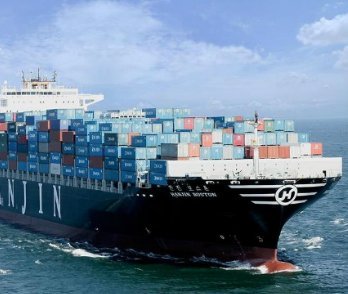
China Trans Link offers dependable sea freight services from China to Argentina. Combining safety, efficiency, and cost-effectiveness, we ensure every shipment reaches its destination smoothly and on schedule.
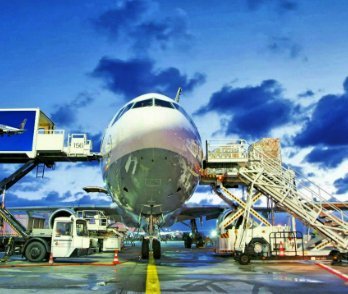
For urgent shipments, China Trans Link provides fast and secure air freight services from China to Argentina. Our optimized logistics network guarantees timely delivery, real-time tracking, and peace of mind for your cargo.

Simplify your logistics with China Trans Link’s fully integrated door-to-door service. From pickup at your supplier to final delivery in Argentina, we handle every step efficiently, safely, and on schedule.

China Trans Link specializes in Full Container Load (FCL) shipping from China to Argentina. Leveraging advanced technology and an experienced logistics team, we ensure secure loading, timely transport, and cost-effective management.
We provide fuel-efficient pickup and delivery services across China and North America, ensuring smooth cargo movement at both origin and destination. Our coordinated inland transportation reduces delays, controls costs, and supports flexible shipping schedules tailored to your logistics requirements.
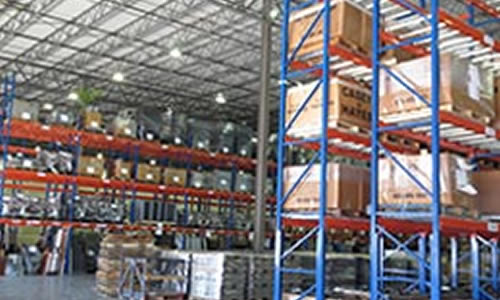
China Trans Link offers secure and flexible warehousing services to support North America–bound shipments. Our facilities enable short-term and long-term storage, cargo consolidation, and shipment preparation, helping clients optimize inventory management and shipping timelines.
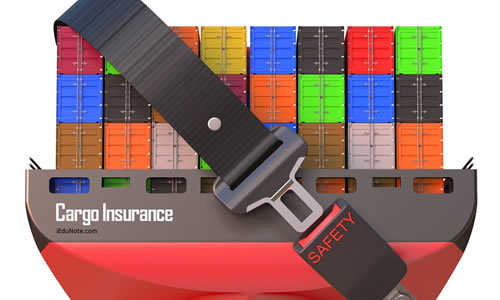
To safeguard your shipments, we offer comprehensive cargo insurance coverage for goods shipped from China to North America. Insurance protection extends throughout the entire transportation journey, reducing risk and providing peace of mind for high-value and sensitive cargo.

Our professional customs clearance services ensure compliant and efficient processing for shipments to North America. With in-depth knowledge of customs regulations and documentation requirements, we minimize clearance delays and help cargo move smoothly through border controls.
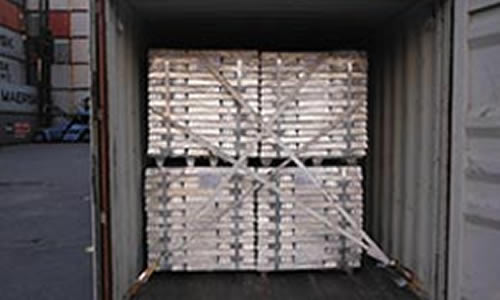
We provide loading inspection and supervision services at suppliers’ factories to ensure proper packaging, accurate quantities, and secure loading. This proactive approach helps reduce transit risks and protects cargo integrity from the very beginning of the shipment.
With China Trans Link, your logistics chain to Argentina is secure, streamlined, and hassle-free.
Shipping from China to Argentina generally involves longer transit times due to the distance and logistics. Here’s a breakdown of the shipping durations:
Air Freight: Air freight is the fastest method but also the most costly. Shipping by air from China to Argentina usually takes about 7 to 15 business days. This timeframe can vary based on the carrier, routing, and potential customs delays.
Sea Freight (Full Container Load - FCL): For FCL shipments, where a full container is used, transit times from China to Argentina typically range from 30 to 45 days. The exact duration depends on the ports of origin and destination.
Sea Freight (Less than Container Load - LCL): LCL is ideal for smaller shipments. However, it usually takes longer due to consolidation and deconsolidation processes. LCL shipments from China to Argentina typically take 45 to 60 days or more.
Customs Clearance: Customs clearance times can vary based on the efficiency of authorities and the completeness of documentation.
Other Factors: Weather conditions, port congestion, and unexpected delays can also impact shipping times.
In summary, air freight is the quickest but most expensive option. Sea freight, though slower, is more cost-effective for large or heavy shipments. Consider your budget and timeline to choose the best shipping method from China to Argentina.
Air shipping from China to Argentina is ideal when speed and efficiency are crucial. Here’s why:
Urgent Shipments: For time-sensitive goods or urgent orders, air shipping is best. It offers fast transit times, usually between 7 to 15 business days.
Perishable Goods: Air shipping is suitable for perishable items like fresh produce or pharmaceuticals. It ensures expedited delivery to maintain quality.
High-Value Goods: Air shipping is preferable for high-value items or electronics. It provides faster and more secure transit than sea freight.
Just-in-Time Inventory: For businesses needing quick stock replenishment, air shipping supports a just-in-time inventory model, meeting demand efficiently.
Emergency Shipments: In emergencies, such as demand spikes or supply chain disruptions, air shipping is a reliable solution for immediate needs.
Small Shipments: Air shipping is cost-effective for smaller volumes or samples. You pay only for the space your goods occupy, making it a viable choice for small shipments.
Overall, air shipping from China to Argentina is the go-to option when speed, reliability, and efficiency are essential. Though it may be more expensive than sea freight, its expedited delivery justifies the cost for time-sensitive shipments.
When choosing between LCL (Less than Container Load) and FCL (Full Container Load) for shipping from China to Argentina, consider these factors:
Cargo Volume: If you have a large volume of goods, FCL may be more cost-effective. FCL provides exclusive use of an entire container, allowing for better space utilization and potentially lower per-unit shipping costs compared to LCL.
Cost Considerations: While FCL can be more economical for larger volumes, LCL is ideal for smaller shipments that do not fill an entire container. With LCL, you only pay for the space your goods occupy, which can be more cost-effective for smaller shipments.
Shipping Schedule: For tight deadlines or expedited delivery, FCL often offers faster transit times. FCL shipments typically experience shorter lead times and fewer handling points, potentially speeding up delivery to Argentina.
Cargo Characteristics: Consider the nature of your goods and any special handling requirements. Fragile, perishable, or high-value items might benefit from the added security and reduced handling of FCL shipping.
Flexibility: LCL provides flexibility for smaller volumes or irregular shipping schedules. It allows you to consolidate multiple shipments into one container, offering cost savings and flexibility in managing inventory and logistics.
Customs Clearance: LCL and FCL may have different implications for customs clearance and associated costs, depending on your goods and Argentine customs regulations. Consult with your freight forwarder or customs broker to understand the specific requirements for your shipment.
Evaluate these factors—cargo volume, cost, shipping schedule, cargo characteristics, flexibility, and customs clearance—to choose the best shipping option for your needs when transporting goods from China to Argentina.
Tracking your shipment from China to Argentina involves using the tracking services provided by your chosen shipping carrier or freight forwarder.
First, obtain your tracking number from the shipping carrier or freight forwarder. This number is usually given when you book the shipment or receive a confirmation.
Next, visit the carrier’s online tracking platform. Most carriers have a dedicated tracking portal on their website. Enter your tracking number there to view real-time updates.
Additionally, some carriers offer mobile apps for tracking. Download the app from the app store, enter your tracking number, and get updates directly on your smartphone or tablet.
Moreover, you can sign up for email or SMS notifications. This way, you receive updates on key events like pickup, transit, and delivery.
If needed, contact the customer service department of your carrier for any issues or questions. They can provide further assistance and detailed updates.
Finally, consider using third-party tracking tools. These platforms consolidate tracking information from various carriers, allowing you to track all your shipments in one place.
By following these steps, you can effectively monitor your shipment from China to Argentina and stay informed about its progress and estimated delivery time.
When shipping goods from China to Argentina, you need to ensure you have the proper documentation to facilitate customs clearance and comply with import regulations. Here are the essential documents required for shipping from China to Argentina:
Commercial Invoice: This document details the goods being shipped, including their description, quantity, value, and country of origin. The commercial invoice is used for customs clearance and to determine import duties and taxes.
Packing List: The packing list itemizes the contents of each package or container in the shipment. It includes details such as product names, quantities, weights, and dimensions. This helps customs officials verify the shipment's contents and ensure accuracy during inspection.
Bill of Lading (B/L): The bill of lading serves as a contract between the shipper and the carrier. It acts as a receipt for the goods and evidence of the carriage agreement. It includes information about the shipment, such as the names and addresses of the shipper and consignee, the description of the goods, and the terms of carriage.
Certificate of Origin: This document certifies the country of origin of the goods. It may be required to qualify for preferential trade agreements or to comply with import regulations in Argentina. The certificate of origin is typically issued by the exporter or manufacturer and may need to be authenticated by a chamber of commerce or relevant authority.
Import License or Permit (if applicable): Depending on the nature of the goods, an import license or permit from Argentine authorities may be required. Certain products, such as firearms, pharmaceuticals, and agricultural goods, may need special permits for importation.
Insurance Certificate: If the shipment is insured, an insurance certificate or policy may be needed to provide evidence of coverage in case of loss or damage during transit.
Other Documentation: Depending on Argentine customs requirements or specific regulations for certain goods, additional documentation may be needed. This could include certificates of conformity, sanitary certificates, or special permits for regulated goods.
Work closely with your freight forwarder or shipping agent to ensure all required documents are correctly completed and submitted for customs clearance. Failure to provide the necessary documentation can result in delays or refusal of entry into Argentina.
Operations cover how vehicles are run, the procedures established to support them, and relevant policies. In transportation, the way operations are handled and who owns the infrastructure varies from country to country.
Vehicle operations involve the methods of running vehicles, the procedures in place for this purpose, and the related policies. In the transport industry, the management of operations and ownership of infrastructure can vary by country.
Managing vehicle operations includes overseeing how vehicles are run, implementing the necessary procedures, and applying relevant policies. In the transport industry, both the way operations are conducted and who owns the infrastructure can change from one country to another.