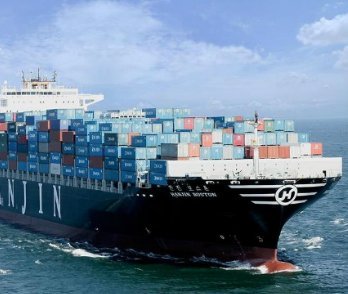
For cost-efficient and dependable ocean transport, China Trans Link provides specialized sea freight services from China to Malta. We coordinate vessel schedules, consolidate cargo efficiently, and track shipments throughout the journey to guarantee smooth and timely delivery. Sea freight is ideal for bulk shipments or larger cargo volumes, helping you minimize costs while maintaining reliability and security.
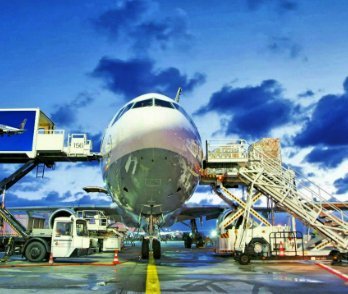
When speed is crucial, China Trans Link’s air freight services offer fast, secure, and fully tracked shipments from China to Malta. Perfect for high-value, time-sensitive, or perishable cargo, our air freight solutions ensure minimal transit times, real-time tracking updates, and professional handling from origin to destination.
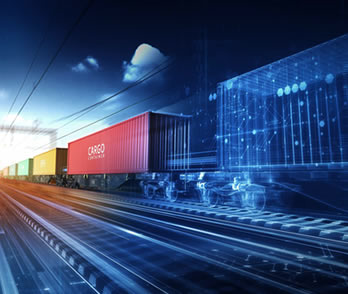
Simplify your logistics with China Trans Link’s fully integrated door-to-door shipping service to Malta. From supplier pickup in China to delivery at your warehouse, retail location, or personal address in Malta, we manage every step—including transportation, documentation, customs clearance, and last-mile delivery. Our priority is convenience, safety, and punctuality, letting you focus on your business while we handle the complexities of international shipping.
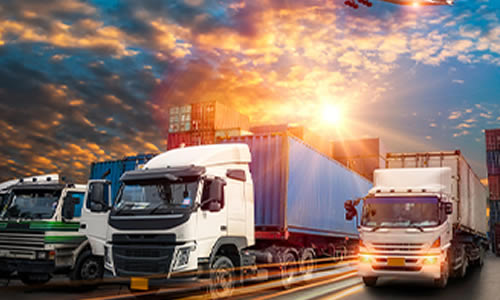
For larger shipments, China Trans Link’s Full Container Load (FCL) service ensures secure container loading, efficient transit, and cost-effective management to Malta. Our experienced logistics team supervises every step—from container preparation to port handling and final delivery—providing peace of mind for bulk shipments.
For smaller or partial container shipments, China Trans Link’s Less than Container Load (LCL) service consolidates cargo efficiently, reducing costs while ensuring careful handling and timely delivery. This flexible solution is ideal for businesses that need reliable shipping without committing to a full container.
We provide fuel-efficient pickup and delivery services across China and North America, ensuring smooth cargo movement at both origin and destination. Our coordinated inland transportation reduces delays, controls costs, and supports flexible shipping schedules tailored to your logistics requirements.
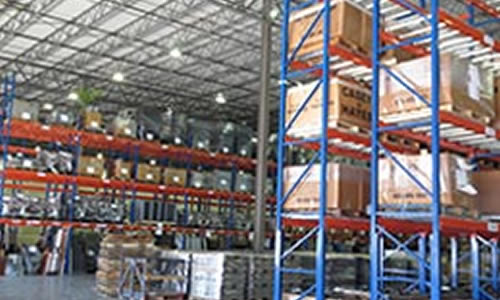
China Trans Link offers secure and flexible warehousing services to support North America–bound shipments. Our facilities enable short-term and long-term storage, cargo consolidation, and shipment preparation, helping clients optimize inventory management and shipping timelines.
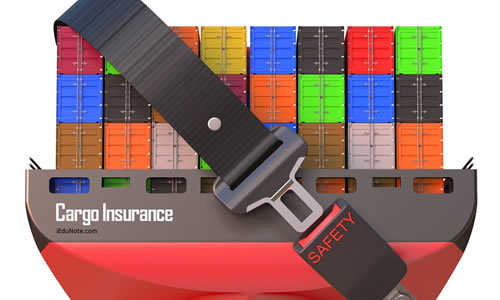
To safeguard your shipments, we offer comprehensive cargo insurance coverage for goods shipped from China to North America. Insurance protection extends throughout the entire transportation journey, reducing risk and providing peace of mind for high-value and sensitive cargo.
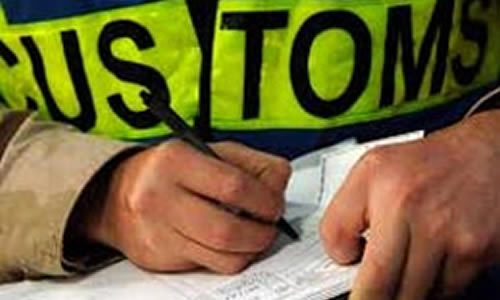
Our professional customs clearance services ensure compliant and efficient processing for shipments to North America. With in-depth knowledge of customs regulations and documentation requirements, we minimize clearance delays and help cargo move smoothly through border controls.
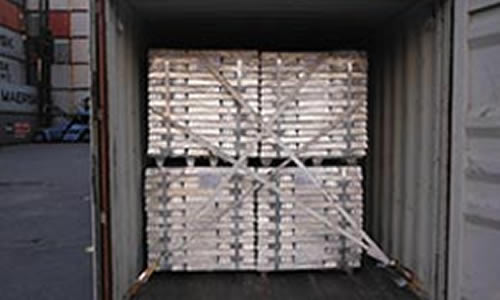
We provide loading inspection and supervision services at suppliers’ factories to ensure proper packaging, accurate quantities, and secure loading. This proactive approach helps reduce transit risks and protects cargo integrity from the very beginning of the shipment.
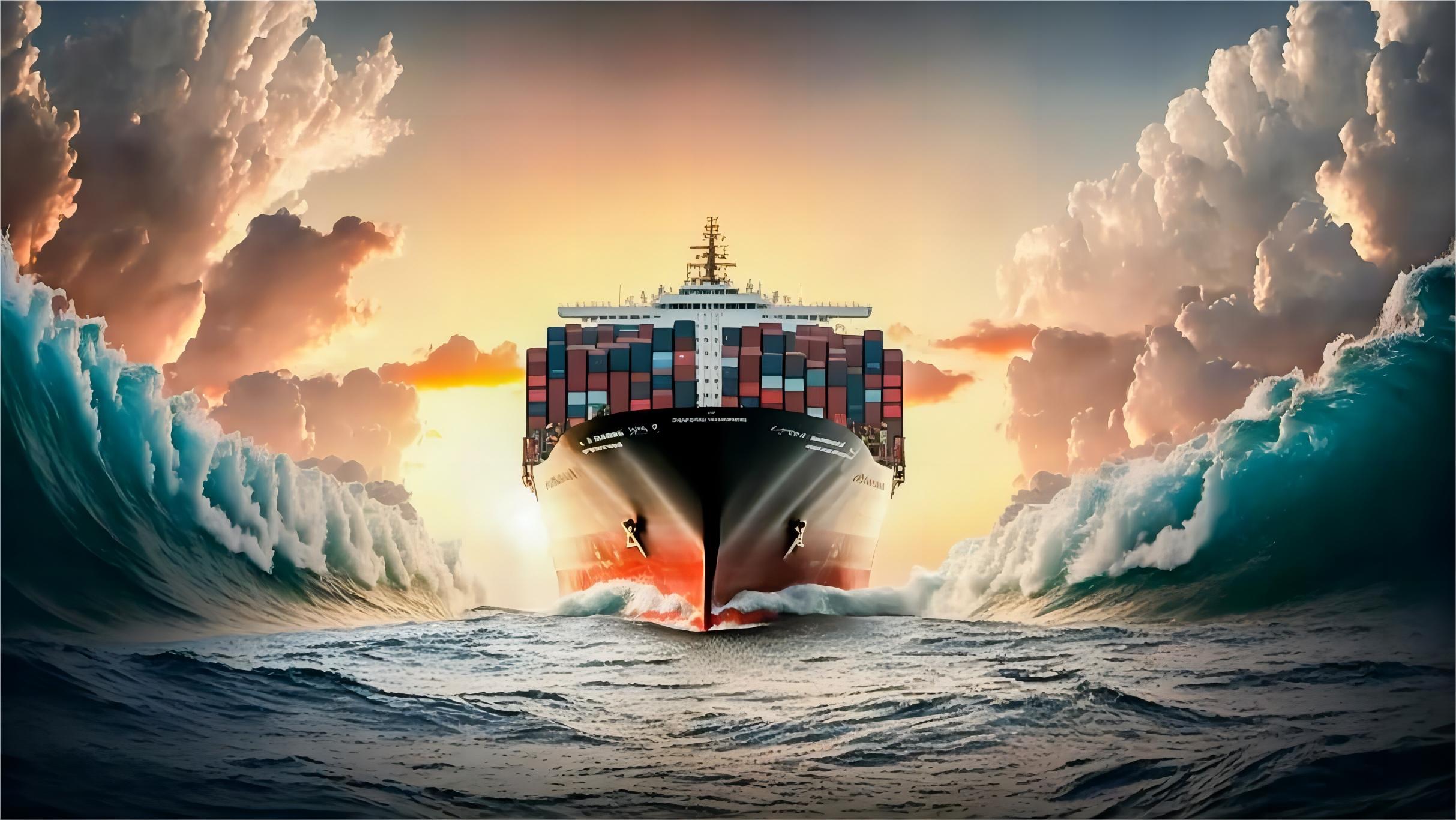
With China Trans Link, your logistics from China to Malta is seamless, secure, and professional. We combine expertise, technology, and dedicated customer service to deliver an efficient, reliable, and worry-free shipping experience.
Businesses should use durable materials, secure padding, and appropriate containers for different types of goods. Labeling fragile items clearly and ensuring compliance with international packaging standards are also crucial for optimizing packaging.
Common challenges include customs clearance delays, varying international regulations, potential damage or loss of goods, and logistical complexities. Effective planning, reliable partners, and robust tracking systems can help mitigate these issues.
Adverse weather conditions can cause significant delays in both sea and air freight. Storms, heavy rain, and extreme temperatures can disrupt schedules, requiring contingency plans to manage these delays effectively.
Technologies like GPS, RFID, and IoT sensors are commonly used for real-time shipment tracking. These technologies provide accurate location data, enhance visibility, and help manage the logistics process more efficiently.
Trade regulations impact documentation requirements, customs duties, and compliance standards. Staying updated on regulatory changes and ensuring accurate documentation helps prevent delays and additional costs in international shipping.
High-value shipments can be secured using tamper-proof seals, secure packaging, real-time tracking, and selecting trusted carriers. Additional insurance and security protocols during transit also help protect valuable goods.
Customs brokerage is crucial for navigating complex customs regulations and ensuring smooth clearance. Experienced brokers help manage documentation, tariffs, and compliance, reducing the risk of delays and penalties.
Air freight offers faster delivery times, higher security, and better tracking capabilities compared to sea freight. It is ideal for time-sensitive and high-value shipments, although it is typically more expensive than sea freight.
Improving supply chain efficiency involves optimizing logistics, selecting reliable partners, leveraging technology for tracking, and regularly reviewing processes for improvement. Effective communication and risk management are also key to enhancing overall efficiency.
Vehicle operations involve the methods of running vehicles, the procedures in place for this purpose, and the related policies. In the transport industry, the management of operations and ownership of infrastructure can vary by country.
Operations encompass how vehicles are managed, the procedures established to guide them, and the related policies. In the transportation sector, both the management of operations and the ownership of infrastructure may vary depending on the country.
Operations cover how vehicles are run, the procedures established to support them, and relevant policies. In transportation, the way operations are handled and who owns the infrastructure varies from country to country.