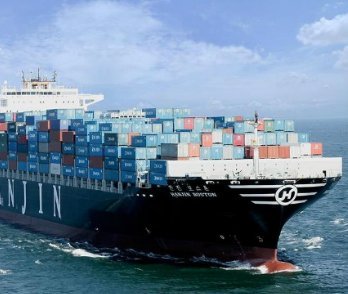
China Trans Link offers reliable and well-organized shipping services from China to Panama, supporting a wide variety of commercial cargo. With professional coordination and stable logistics channels, we help ensure smooth transportation and consistent delivery performance to Panama.
Our sea freight solutions from China to Panama are designed for efficiency and cost control. By working closely with major shipping lines and port operators, we provide flexible container options and dependable sailing schedules for secure ocean transportation.
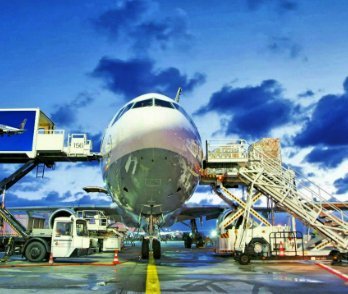
China Trans Link provides fast and secure air freight services from China to Panama for time-sensitive shipments. Supported by experienced handling teams and established airline partnerships, we help shorten transit times while maintaining reliable cargo control.

We deliver end-to-end door-to-door shipping services from China to Panama, covering pickup, international transportation, customs coordination, and final delivery. This integrated approach simplifies logistics management and improves overall shipping efficiency.
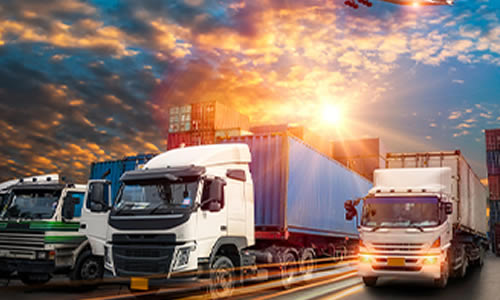
Our FCL shipping services from China to Panama include 20FT, 40FT, and high-cube container options. With competitive rates and dedicated container handling, we ensure stable transit, secure loading, and timely arrival of full-container shipments.
For smaller shipment volumes, our LCL shipping solutions from China to Panama offer an economical and flexible option. Through efficient consolidation and professional cargo management, we help optimize costs while ensuring dependable delivery.
We provide fuel-efficient pickup and delivery services across China and North America, ensuring smooth cargo movement at both origin and destination. Our coordinated inland transportation reduces delays, controls costs, and supports flexible shipping schedules tailored to your logistics requirements.
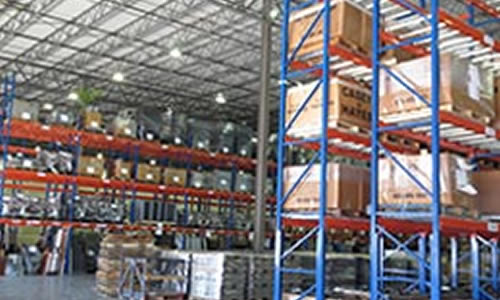
China Trans Link offers secure and flexible warehousing services to support North America–bound shipments. Our facilities enable short-term and long-term storage, cargo consolidation, and shipment preparation, helping clients optimize inventory management and shipping timelines.
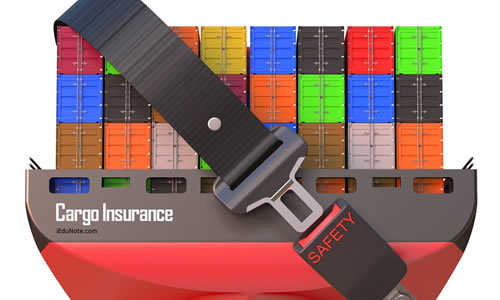
To safeguard your shipments, we offer comprehensive cargo insurance coverage for goods shipped from China to North America. Insurance protection extends throughout the entire transportation journey, reducing risk and providing peace of mind for high-value and sensitive cargo.

Our professional customs clearance services ensure compliant and efficient processing for shipments to North America. With in-depth knowledge of customs regulations and documentation requirements, we minimize clearance delays and help cargo move smoothly through border controls.
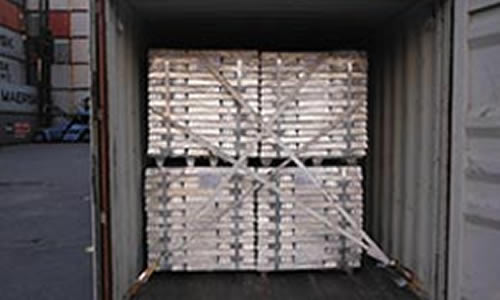
We provide loading inspection and supervision services at suppliers’ factories to ensure proper packaging, accurate quantities, and secure loading. This proactive approach helps reduce transit risks and protects cargo integrity from the very beginning of the shipment.

As your trusted freight forwarder from China to Panama, China Trans Link delivers integrated logistics solutions backed by experience, competitive pricing, and professional service standards. We are committed to supporting your shipments with efficiency, reliability, and long-term value.
The primary shipping methods from China to Panama are sea freight and air freight. Sea freight is cost-effective but slower, while air freight is faster but more expensive. Both methods are used based on the urgency of the shipment and budget constraints.
Customs duties in Panama depend on the type of goods being imported and their value. Panama uses a Harmonized System (HS) code to classify goods, and the duty rates can vary. It’s important to check the latest customs regulations and tariff schedules or consult with a customs broker for precise information.
Yes, Panama has import restrictions on certain items such as hazardous materials, pharmaceuticals, and restricted agricultural products. It is crucial to verify the list of restricted items and ensure compliance with Panamanian import regulations to avoid any issues.
Commonly required documents include a commercial invoice, packing list, bill of lading or air waybill, certificate of origin, and any specific import permits or licenses if needed. Proper documentation is crucial for smooth customs clearance.
To reduce shipping costs, consider using sea freight instead of air freight, consolidating shipments, negotiating rates with shipping companies, and choosing a cost-effective freight forwarder. Planning shipments well in advance can also help in managing costs effectively.
Major ports in China for shipping to Panama include Shanghai, Shenzhen, and Hong Kong. In Panama, the primary port is the Port of Balboa, which handles a significant amount of international cargo due to its strategic location on the Panama Canal.
Customs clearance times in Panama can vary, but it generally takes between 1 to 5 days. The process depends on the complexity of the shipment, accuracy of the documentation, and whether there are any issues or additional inspections required.
Yes, using a freight forwarder is a common practice. Freight forwarders help manage the logistics of shipping, including booking cargo space, handling documentation, and ensuring compliance with regulations. They can streamline the shipping process and handle many aspects of international transport.
If your shipment is delayed, first check the tracking information for updates. Contact your shipping company or freight forwarder for an explanation and estimated delivery time. Ensure that all documentation is in order and address any potential issues with customs or logistics that might be causing the delay.
Operations encompass how vehicles are managed, the procedures established to guide them, and the related policies. In the transportation sector, both the management of operations and the ownership of infrastructure may vary depending on the country.
Vehicle operations involve the methods of running vehicles, the procedures in place for this purpose, and the related policies. In the transport industry, the management of operations and ownership of infrastructure can vary by country.
Operations cover how vehicles are run, the procedures established to support them, and relevant policies. In transportation, the way operations are handled and who owns the infrastructure varies from country to country.