

Amazon FBA Sea Freight China to Australia Container Cost Guide 2026
Navigating the complexities of international logistics requires a reliable partner, and you can explore comprehensive solutions at China Trans Link. If you are scaling your business, understanding the Amazon FBA sea freight China to Australia container cost is essential for maintaining healthy profit margins. This guide provides the data you need to streamline your supply chain effectively.
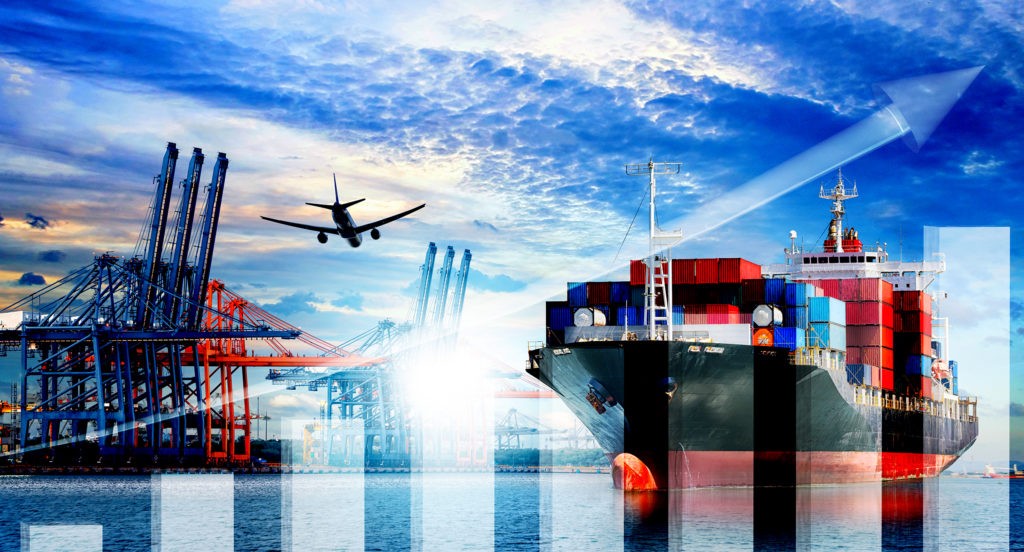
Understanding Amazon FBA Sea Freight China to Australia Container Cost
Shipping goods from China to Australia involves various variables that impact the final price. Typically, a 20ft container might cost between 800 and 1200 USD, while a 40ft high cube container ranges from 1400 to 2000 USD. These rates fluctuate based on global demand and seasonal capacity changes.

Furthermore, businesses often look for efficient sea freight options to manage bulk inventory. You must also account for local port charges, documentation fees, and inland haulage which contribute to the total landed cost.
Note: Freight rates are subject to change based on fuel costs, carrier capacity, and seasonal demand. Contact us for a current quote tailored to your specific shipment.
| Container Type | Estimated Cost Range | Average Transit Time |
|---|---|---|
| 20ft Container | $800 – $1,200 | 12-18 Days |
| 40ft Container | $1,200 – $1,800 | 12-18 Days |
| 40ft High Cube | $1,400 – $2,000 | 12-18 Days |
How Does Sea Freight Compare to Other Shipping Options?
Choosing the right transport mode is critical for your bottom line. While sea freight remains the most cost-effective solution for large volumes, you might consider air freight for urgent stock replenishment. Additionally, for smaller parcels where speed is not the primary factor, specialized door to door services provide convenience.
In contrast to air transport, sea shipping offers significantly lower costs per unit. However, you must plan your inventory schedule well in advance to accommodate the longer transit times. For specialized needs, Amazon FBA logistics experts can help you balance these trade-offs.
| Method | Cost | Speed | Best For |
|---|---|---|---|
| Sea Freight | Low | Slow | Bulk Inventory |
| Air Freight | High | Fast | Urgent Stock |
| Express | Very High | Fastest | Samples/Small |
Key Logistics Factors for Success
Success in importing requires precise management of your customs brokerage requirements. Accurate documentation prevents delays at the border, which can lead to unexpected storage fees. Moreover, working with experienced professionals ensures that your cargo handling meets all Australian biosecurity standards.
Finally, always track your delivery schedule closely. Unexpected weather events or port congestion can impact arrival times. By staying proactive, you can mitigate these risks and keep your Amazon store stocked without interruption.
Summary of Amazon FBA Sea Freight China to Australia Container Cost
Managing your Amazon FBA sea freight China to Australia container cost is a cornerstone of a profitable import business. By choosing the right container size and planning for seasonal rate shifts, you maintain control over your logistics budget. Ultimately, partnering with reliable experts ensures your goods arrive safely and on time.
Start Your Shipment
Ready to optimize your supply chain? Contact our team today to get a competitive quote for your next shipment. Visit our website to learn more at https://chinatranslink.com/
Frequently Asked Questions
What is the average transit time from China to Australia?
Should I choose FCL or LCL for my shipment?
Are there hidden costs in sea freight?
How can I reduce my shipping costs?
What documents are required for customs clearance?
Is insurance necessary for sea freight?