

Amazon FBA Shipping China Saudi Arabia: 2025 Logistics Guide
Expanding your e-commerce reach requires a reliable strategy for amazon fba shipping china saudi arabia to maintain a competitive edge. China Trans Link offers comprehensive logistics support to help sellers navigate the complexities of the Middle Eastern market. Consequently, understanding the nuances of international freight is essential for ensuring your inventory arrives at Saudi fulfillment centers without delay.

Understanding Amazon FBA Shipping China Saudi Arabia Logistics
Shipping goods for Amazon FBA involves several critical steps that differ from standard business-to-business logistics. Furthermore, the Saudi Arabian market has specific regulatory requirements that sellers must meet to avoid cargo rejection at the border. Indeed, choosing the right partner for Amazon FBA services can streamline the entire process from pickup to final delivery.
Sellers must account for the unique geographical challenges and port capabilities within the Kingdom of Saudi Arabia. Additionally, the integration of the SABER platform has changed how importers register products and obtain conformity certificates. Therefore, a proactive approach to documentation is necessary to ensure a smooth transition through Saudi ports like Jeddah or Dammam.
Market trends in early 2025 suggest a surge in demand for consumer electronics and home goods across the KSA region. Meanwhile, freight rates have remained relatively stable compared to the volatility seen in previous years. Nevertheless, seasonal peaks like Ramadan can significantly impact transit times and port congestion levels.
Primary Shipping Methods for the China to Saudi Route
Deciding between different transport modes depends heavily on your budget and how quickly you need to replenish your stock. For instance, sea freight remains the most economical choice for high-volume shipments that do not have urgent deadlines. In contrast, businesses with time-sensitive products often prefer the speed of aviation.
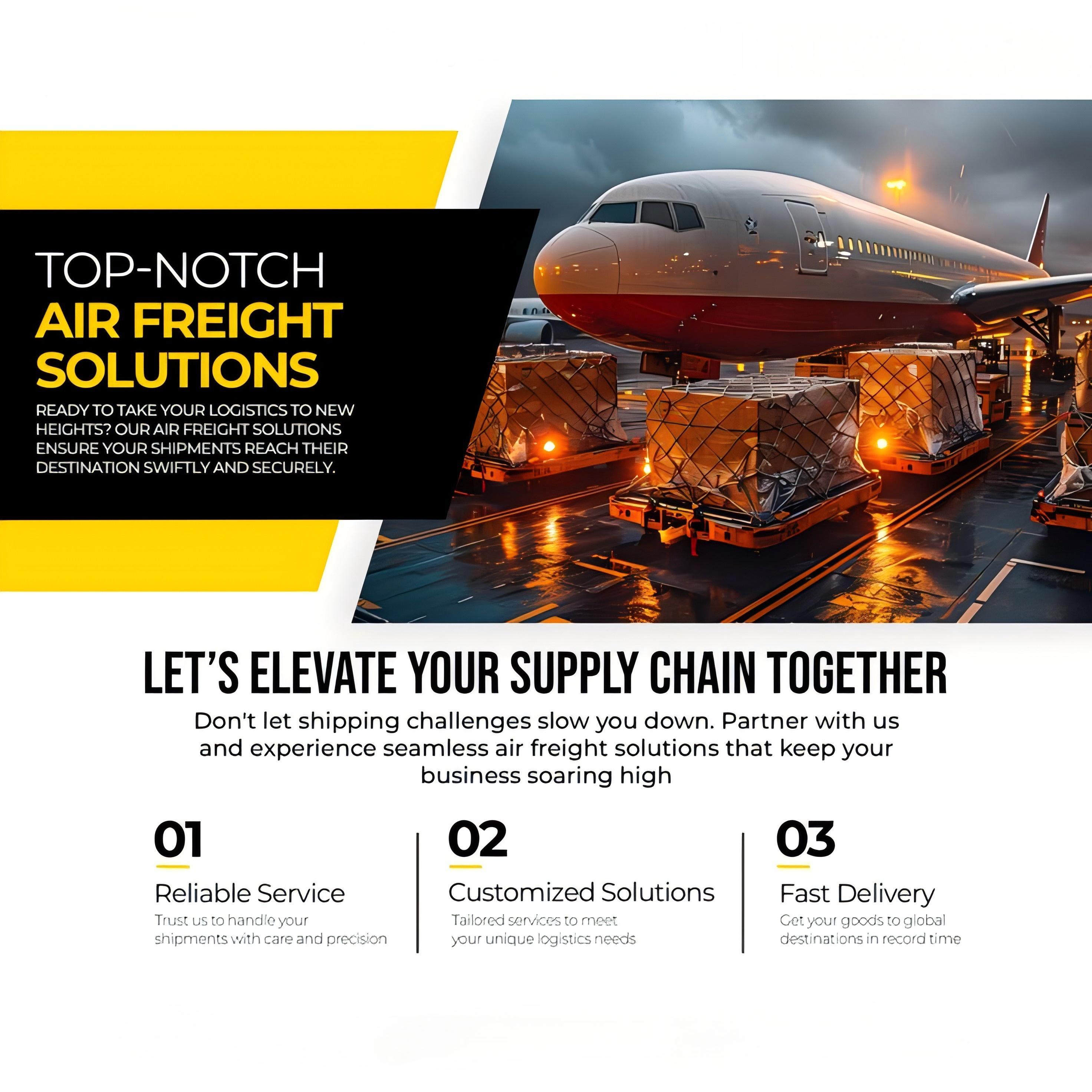
Air transport offers a significant advantage in terms of security and reduced handling, which minimizes the risk of damage to fragile goods. However, the costs associated with air freight are substantially higher and are calculated based on either actual weight or volumetric weight. Accordingly, many sellers utilize a mix of methods to balance their supply chain costs effectively.
| Method | Transit Time | Cost Level | Best For |
|---|---|---|---|
| Sea Freight | 25-35 Days | Low | Bulk Inventory |
| Air Freight | 5-9 Days | High | Urgent Restocks |
| Express | 3-5 Days | Very High | Small Samples |
How Does Sea Freight Compare to Other Shipping Options?
Comparing sea freight to alternatives reveals that while it is slower, the capacity for large-scale distribution is unmatched. Moreover, for shipments exceeding 15 CBM, a full container load (FCL) provides better value and security than less than container load (LCL) options. On the other hand, air freight might be the only viable solution when inventory levels at Amazon FBA warehouses are critically low.
Alternative strategies often involve hybrid solutions such as sea-air combinations, which provide a middle ground in both cost and speed. For example, cargo might be shipped by sea to a regional hub like Dubai and then flown into Saudi Arabia. Consequently, this approach can save up to 30 percent compared to pure air freight while being much faster than sea transport alone.
| Shipping Method | Cost Range | Transit Time | Limitations |
|---|---|---|---|
| FCL (20GP) | $1,200-$1,800 | 28-32 Days | High Volume Only |
| LCL (per CBM) | $80-$130 | 30-35 Days | Multiple Handling |
| Direct Air | $4.50-$7.00/kg | 4-6 Days | Weight Limits |
| Sea-Air Hybrid | $2.50-$4.00/kg | 12-18 Days | Complex Routing |
Which Option Should You Choose for Your Saudi FBA Shipments?
Selecting the optimal shipping method requires a careful analysis of your product margins and customer demand patterns. If your priority is budget conservation, we recommend planning your inventory cycles at least three months in advance to utilize sea freight. Without a doubt, this strategy maximizes profit margins by significantly lowering the landed cost per unit.
Speed becomes the priority when launching new products or responding to unexpected sales spikes during promotional events. In these scenarios, air freight or express services are the most appropriate choices despite the higher expense. Additionally, consider cargo type; hazardous materials or oversized items may be restricted to specific sea freight carriers due to safety regulations.
Navigating Saudi Customs and SABER Requirements
Saudi Arabia enforces strict import regulations that every Amazon seller must follow to ensure successful delivery. Specifically, the SABER platform is a mandatory online system used to issue certificates of conformity for regulated products. Therefore, working with an experienced customs brokerage professional is highly recommended to manage these digital filings.
Documentation such as the commercial invoice, packing list, and certificate of origin must be accurate and consistent across all platforms. Furthermore, labeling requirements in Saudi Arabia often include Arabic translations for specific product details and safety warnings. Failure to comply with these small details can lead to lengthy delays or expensive fines at the port of entry.
Case Studies: Real-World Amazon FBA Shipping Scenarios
Examining real-world examples helps sellers understand the practical application of different logistics strategies. These cases illustrate the costs and timelines associated with amazon fba shipping china saudi arabia under current market conditions. Please note that freight rates are subject to change based on fuel costs, carrier capacity, and seasonal demand. Contact us for a current quote tailored to your specific shipment.
Case Study 1: Electronics Restock via Air
Case Study 01: High-Priority Electronics. Route: Shenzhen, China to Riyadh, Saudi Arabia. Cargo: Consumer Electronics, 2.5 CBM, 450 kg. Shipping Details: Major air carrier, Port of Loading: Shenzhen (SZX), Port of Discharge: Riyadh (RUH), Route Type: Direct. Cost Breakdown: Air Freight: $2,475. Origin Charges: $150. Destination Charges: $220. Customs and Duties: $450. Total Landed Cost: $3,295. Timeline: Booking to Loading: 2 days. Air Transit: 1 day. Customs Clearance: 2 days. Total Door-to-Door: 5 days. Key Insight: Utilizing direct air freight allowed the seller to maintain Buy Box eligibility during a high-traffic sales period.
Case Study 2: Home Decor via Sea LCL
Case Study 02: Bulk Home Goods. Route: Ningbo, China to Jeddah, Saudi Arabia. Cargo: Decorative Pillows, 8 CBM, 1,200 kg. Container: LCL 8 CBM. Shipping Details: Major carrier, Port of Loading: Ningbo, Port of Discharge: Jeddah, Route Type: Transshipment via Singapore. Cost Breakdown: Ocean Freight: $880. Origin Charges: $210. Destination Charges: $340. Customs and Duties: $180. Total Landed Cost: $1,610. Timeline: Booking to Loading: 5 days. Sea Transit: 28 days. Customs Clearance: 4 days. Total Door-to-Door: 37 days. Key Insight: Planning ahead allowed the seller to reduce shipping costs by 65 percent compared to air freight options.

Maximizing Efficiency with Door to Door Services
Managing multiple logistics providers can be overwhelming for busy e-commerce entrepreneurs. Consequently, many successful sellers opt for door to door solutions that handle everything from the factory floor to the Amazon warehouse. This comprehensive approach reduces the risk of communication gaps and ensures a single point of accountability for your entire shipment.
Reliable providers will handle the inland trucking in China, the international transit, and the final mile delivery within Saudi Arabia. Moreover, they often provide value-added services such as palletizing and labeling to meet Amazon’s strict FBA warehouse standards. Indeed, this level of service allows sellers to focus on marketing and sales rather than the complexities of global logistics.
Mastering Your Saudi Arabian FBA Logistics
Successfully navigating amazon fba shipping china saudi arabia requires a combination of strategic planning and expert execution. By understanding the differences between sea and air freight, sellers can make informed decisions that protect their profit margins. Furthermore, staying compliant with Saudi customs and SABER regulations is the only way to ensure long-term success in this growing market.
Partnering with a dedicated freight forwarder like China Trans Link provides the local expertise needed to overcome common shipping hurdles. Whether you are shipping small parcels or full containers, having a clear logistics roadmap is essential. Start optimizing your Saudi supply chain today to capture the immense potential of the Kingdom’s e-commerce landscape.
Ready to streamline your logistics?
Streamline your supply chain today with professional amazon fba shipping china saudi arabia solutions. Visit our contact page to request a personalized quote and discover how we can optimize your Middle Eastern logistics. Send Inquiry: Visit https://chinatranslink.com/contact-us/
Request Quote