

China Golden Week Shipping to Indonesia: A 2026 Operational Strategy
Navigating China Golden Week shipping to Indonesia requires precise planning to avoid the inevitable pre-holiday capacity crunch at major Chinese export hubs. When factory production halts for the October break, supply chain bottlenecks frequently emerge, leaving unprepared importers with delayed cargo and rising spot-market costs. Partnering with a dedicated logistics specialist like China Translink ensures your cargo flows smoothly through the corridor by securing early space allocations and transparent documentation. This operational guide provides the essential framework for managing your freight, compliance, and delivery schedules during one of the year’s most volatile shipping windows.
Key Takeaways
A standard 40HQ container supports approximately 65–70 CBM of general cargo for efficient space utilization.
Air freight chargeable weight is calculated as the greater of actual kg or volumetric weight (L×W×H cm / 6000).
Booking windows should be locked at least 21 days before the official holiday start date to guarantee export space.
Indonesia-bound shipments must have a complete Commercial Invoice and Packing List ready before the vessel cut-off.
What Should Buyers Know First About China Golden Week to Indonesia?

China Golden Week represents a critical seven-day period where Chinese manufacturing and logistics hubs largely suspend daily operations. For importers sourcing from China to Indonesia, this annual closure triggers a massive surge in pre-holiday demand, as factories race to finalize production before the break. Failing to account for this compressed timeline often results in cargo being rolled to subsequent sailings, which can add weeks to your intended arrival date and disrupt downstream inventory planning.
The primary risk for buyers involves the significant tightening of carrier capacity and the subsequent spike in freight rates. Logistics providers often see equipment shortages at major Chinese ports during the two weeks leading up to the holiday, as carriers adjust their schedules to match reduced manufacturing output. To successfully navigate this period, buyers must coordinate with their suppliers to move up cargo-ready dates, ensuring that goods reach the port or airport sufficiently ahead of the holiday export cut-off.
Effective mitigation relies on proactive communication between the buyer, the factory, and your freight forwarder. By establishing a clear timeline that accounts for both the holiday closure and the potential port congestion, you can prioritize critical shipments and defer non-essential replenishment. Always verify the specific holiday operating hours of your local sea freight partners, as reduced staffing levels can delay document processing and container release procedures during this high-stakes window.
Field note: Focus on early booking to bypass the holiday surge.
Common mistake: Waiting until the week before the holiday to book space.
Risk alert: Carrier capacity drops significantly, leading to potential roll-overs.
How Do Routing and Gateway Choices Affect This Lane?
The selection of origin and destination gateways is a strategic decision that heavily influences both transit speed and overall reliability. For shipments moving from China to Indonesia, major coastal hubs like Shanghai, Ningbo, and Shenzhen are the primary exit points, each offering varying levels of service frequency and carrier options. Choosing a gateway that is geographically closer to your supplier’s manufacturing site can significantly reduce inland drayage costs and minimize the risk of inland transport delays during the chaotic pre-holiday period.
Once cargo departs from China, the choice of the Indonesian port of entry—such as Tanjung Priok in Jakarta or Tanjung Perak in Surabaya—dictates the final-mile efficiency. Importers should align their gateway selection with the ultimate delivery destination to avoid excessive domestic transit times and additional handling fees. During peak seasons, larger, more connected ports often provide better access to alternative sailings, providing a necessary buffer if your initially scheduled vessel faces unexpected delays or capacity constraints.
It is also important to consider the multimodal potential of your lane to optimize flexibility. While direct ocean routes are standard, some importers utilize feeder services or secondary ports when primary hubs become congested. Utilizing China Translink’s network allows you to evaluate multiple routing options, identifying the path that balances cost with the urgency of your cargo. Always perform a route analysis early in the planning phase to determine if your chosen gateway can support the necessary volume and turnaround times.
| Equipment Type | Internal Volume (CBM) | Max Payload (kg / lbs) | Optimal Commodity Fit |
|---|---|---|---|
| 20ft Standard (20GP) | 28–30 CBM (26 usable) | 21,800 kg / 48,000 lbs | Dense, heavy cargo (machinery, auto parts, metals) |
| 40ft Standard (40GP) | 58–60 CBM (54 usable) | 26,500 kg / 58,400 lbs | General packaged cargo, standard palletized loads |
| 40ft High Cube (40HQ) | 68–76 CBM (68 usable) | 26,500 kg / 58,400 lbs | Bulky, lightweight goods (furniture, textiles, electronics) |
| 45ft High Cube (45HQ) | 85–86 CBM (78 usable) | 27,500 kg / 60,600 lbs | High-volume consumer retail distribution |
Field note: Select gateways based on proximity to suppliers and final customers.
Common mistake: Ignoring inland drayage lead times during peak congestion.
Risk alert: Congested ports can lead to increased dwell times.
How to Choose the Right Mode Mix for Indonesia?
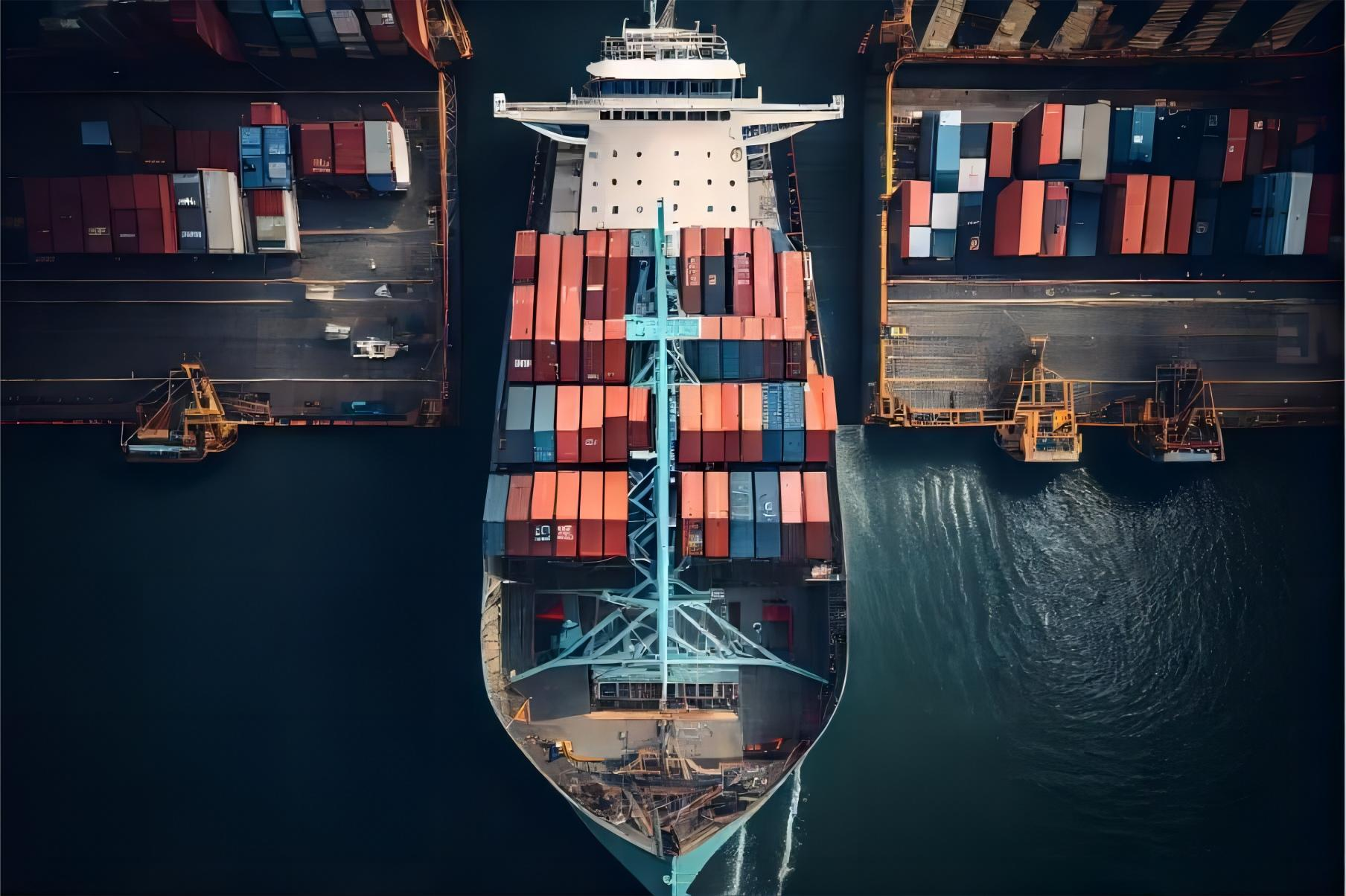
Determining the optimal mode mix requires a careful analysis of your inventory requirements, budget constraints, and the urgency of your supply chain needs. For high-volume, non-urgent goods, FCL (Full Container Load) ocean shipping remains the most cost-effective solution, providing predictability and economy of scale. Conversely, LCL (Less than Container Load) shipping offers a flexible option for smaller shipments that do not require a full container, though it comes with additional handling requirements and potentially longer transit times due to consolidation processes.
Air freight is the clear choice for time-sensitive, high-value, or low-volume commodities that must bypass potential ocean congestion. While the cost is significantly higher, the reduced transit time—often just a few days—mitigates the risk of stockouts during the Golden Week disruption. For businesses that operate on a just-in-time replenishment model, diversifying your mode mix between ocean and air ensures that your critical inventory remains moving, even when oceanic capacity is restricted or delayed.
Your decision should ultimately be guided by a total landed cost analysis that includes not only the freight rate but also the associated duties, handling fees, and inventory holding costs. For example, the cost of air freight may be offset by the reduced need for safety stock or the prevention of lost sales during the holiday. Explore our comprehensive freight services to see how we can tailor a multimodal approach that aligns with your specific operational and budgetary goals for the Indonesia corridor.
Field note: Balance cost and speed based on inventory turnover rates.
Common mistake: Ignoring the hidden costs of LCL handling and delays.
Risk alert: Air freight capacity is also limited during peak season.
What Transit Timeline Should You Expect?
Transit timelines for the China-to-Indonesia corridor are highly dependent on the chosen mode of transport and the prevailing port conditions. Standard ocean freight typically takes between 12 and 18 days from major Chinese ports to Jakarta, though this window can expand significantly if vessels are delayed by port congestion or equipment shortages. It is essential to build a buffer into your planning, especially when shipping around major holidays, to account for potential variances in carrier schedules and terminal operations.
For air freight, transit times are much more consistent, usually ranging from 3 to 7 days, including customs clearance and handling. However, during the peak Golden Week period, the volume of air cargo often spikes, which can lead to space limitations and potential delays in flight departures. Importers should confirm the latest flight schedules with their logistics partner and, if necessary, provide advanced notice to secure space on preferred airline routes to maintain their delivery deadlines.
Always monitor your shipment milestones closely to stay ahead of any exceptions. Modern tracking tools provide visibility into each stage of the journey, from origin pick-up to final delivery. If you notice a delay in your transit schedule, communicate immediately with your logistics provider to explore mitigation strategies, such as switching to a faster transit route or prioritizing your cargo for immediate clearance upon arrival in Indonesia.
| Leg / POD | Method | Avg Days | Peak Risk |
|---|---|---|---|
| Shanghai to Jakarta | Ocean FCL | 14 Days | High |
| Shenzhen to Jakarta | Ocean FCL | 12 Days | Medium |
| Guangzhou to Jakarta | Air | 4 Days | Medium |
| Ningbo to Surabaya | Ocean LCL | 18 Days | High |
Field note: Factor in a 3-5 day buffer for holiday-related congestion.
Common mistake: Assuming standard transit times apply during the Golden Week period.
Risk alert: Unexpected port closures can cause systemic delays.
How Are Landed Costs Typically Built?
Building an accurate landed cost profile is essential for maintaining margins when importing goods into Indonesia. The total cost includes the base freight rate, origin charges, international transport, destination handling, and Indonesian customs duties and taxes. During the pre-holiday season, you must be prepared for additional surcharges, including peak season surcharges (PSS) and potential storage fees if your goods are caught in terminal congestion at the destination port.
Importers should also account for the cost of cargo insurance and potential ancillary services like container cleaning or specialized packaging. For those importing via sea freight, terminal handling charges (THC) and drayage costs represent significant portions of the landed cost equation. By working with a transparent logistics partner, you can obtain a detailed, itemized quote that breaks down every cost component, helping you avoid “bill shock” when your final invoices arrive.
Evaluate your Incoterms carefully, as they define who is responsible for costs at different stages of the transportation process. Whether you are operating under FOB, CIF, or DDP, understanding your obligations is critical for controlling your landed cost and managing risk. We encourage you to visit our services portal to review how we structure our pricing to ensure full visibility and cost-efficiency for our clients across the Indonesia trade lane.
Field note: Include all hidden accessorials in your landed cost analysis.
Common mistake: Failing to account for destination-side tax and duty fluctuations.
Risk alert: Hidden fees can quickly erode product profitability.
Which Documents and Compliance Checks Apply?
Compliance with Indonesian customs regulations is non-negotiable for successful importation. The primary documents required for clearing goods through Indonesian customs include a valid Commercial Invoice, a detailed Packing List, and the transport document—either a Bill of Lading for sea freight or an Air Waybill for air shipments. Each of these documents must accurately reflect the cargo’s value, weight, and contents to avoid delays or penalties during the inspection process.
In addition to standard documentation, certain commodities may require specific import permits or certificates of origin to qualify for preferential duty rates under existing trade agreements. It is critical to confirm the HS code for your products, as this determines the classification for duty and tax purposes. Improper classification is one of the most common causes of customs holds, which can be particularly damaging during the busy peak season when terminal space is at a premium and daily storage fees are high.
Proactive preparation of these documents ensures a smooth transition through customs upon arrival. We recommend finalizing all paperwork well before the shipment departs from China. If you are uncertain about the specific requirements for your goods, our team can provide expert guidance on compliance and documentation, ensuring that your import process adheres to all local regulations and avoids unnecessary friction at the Indonesian border.
| Document / Filing | Submission Window | Responsible Party | Clearance Impact |
|---|---|---|---|
| Customs Import Declaration | Prior to cargo discharge | Licensed Broker / Consignee | Terminal demurrage |
| Commercial Invoice & Packing List | Before vessel departure | Shipper / Exporter | Documentation hold |
| Master / House Bill of Lading | Post-departure confirmation | Freight Forwarder | Release freeze |
| Certificate of Origin (if req) | Prior to import duty assessment | Chamber of Commerce | Loss of tariff relief |
Field note: Double-check HS codes to prevent customs classification errors.
Common mistake: Submitting incomplete or inaccurate shipping documentation.
Risk alert: Customs holds can lead to significant daily port storage fees.
How Do Peak Seasons Affect Capacity and Pricing?
Peak seasons, such as the period leading up to China Golden Week, fundamentally alter the dynamics of the global freight market. As demand for export space surges, carrier capacity tightens, often leading to a “first-come, first-served” booking environment where rates fluctuate daily. This volatility makes it difficult to secure consistent pricing without a structured, long-term approach to space allocation and carrier partnerships.
During these times, carriers prioritize high-yield cargo and established volume partners, which can leave smaller importers struggling to find available space. To combat this, proactive importers often engage in block-space agreements or secure early bookings months in advance. Understanding these market trends is essential for managing your logistics budget and ensuring that your cargo maintains its place in the carrier’s priority queue, even when the market is under extreme pressure.
The impact of peak demand extends beyond just the freight rate; it also affects the quality of service and the speed of communication. When service providers are overwhelmed, response times may increase, and the availability of support staff can become limited. By maintaining a strong partnership with China Translink, you gain access to our extensive carrier relationships, which provides you with a competitive advantage in securing space and stabilizing costs even during the most challenging market conditions.
Field note: Secure space early to avoid peak season spot-market volatility.
Common mistake: Relying on spot-market quotes during peak demand weeks.
Risk alert: Capacity shortages often lead to last-minute booking cancellations.
What Is the Step-by-Step Process from Quote to Delivery?
The logistics lifecycle for the China-to-Indonesia corridor is a multi-stage process that requires precision at every handoff. It begins with the Shipment Profile Capture, where we define the cargo-ready date, CBM, weight, and HS codes. This foundation allows us to select the most appropriate mode mix and service scope, ensuring your shipment is tailored to your specific timing and budget requirements. Once the plan is set, we move to the Documentation and Compliance Gate, where we verify that all paperwork meets Indonesian regulatory standards.
Following documentation, we execute the Space Booking and Cut-off Lock, reserving your space with the carrier and confirming the export cut-off window. This is a critical step, as missing a cut-off during the Golden Week period can lead to significant delays. Once the cargo is on the move, our team manages the Mainhaul and Milestone Tracking, providing you with real-time visibility and proactive exception handling should any issues arise during the transit.
Finally, we handle the destination release and delivery, managing customs formalities and coordinating the final-mile transport to your warehouse. This end-to-end management approach minimizes your operational burden and ensures the reliability of your supply chain. We invite you to experience the efficiency of our professional logistics services by initiating a consultation for your next shipment and seeing how our structured process turns complex logistics into a seamless experience.
Field note: Maintain consistent communication with your forwarder at every milestone.
Common mistake: Neglecting to confirm the final delivery slot at the destination warehouse.
Risk alert: Lack of visibility during transit can lead to poor inventory planning.
Decision Framework
By volume: Capture CBM/kg first; under ~2 CBM often fits express/air, mid volumes need LCL/FCL comparison, and oversized lots require dedicated equipment quotes.
By speed: Urgent windows under ~7 days favor air/express; standard replenishment can use ocean or multimodal once cargo-ready timing is locked.
By cargo profile: Flag DG, temperature-control, or oversized handling before award—these change both documentation and carrier acceptance paths.
Real-World Corridor Case Studies
A industrial machinery shipper moved industrial machinery and precision equipment from Chengdu, China to Hamburg on a scoped rail corridor. The forwarder locked crating/lashing requirements, moisture control, and lift-gate delivery slots before block-train departure, aligned commercial invoice and packing list data with the rail consignment note, and tracked terminal discharge so free-time clocks stayed inside negotiated windows.
A building materials shipper moved commercial building materials and fixtures from Shenzhen, China to Antwerp on a scoped ocean lane. The forwarder locked weight-dense stow plans, moisture barriers, and construction-site delivery windows before CY gate-in, aligned commercial invoice and packing list data with the carrier booking, and tracked destination release so demurrage clocks stayed inside negotiated free time.
Execution Checklist for China Golden Week to Indonesia
Successfully navigating China Golden Week shipping to Indonesia depends on your ability to treat the holiday as a planned disruption rather than an unexpected hurdle. By capturing your shipment data early, selecting the right mode mix, and securing your carrier allocation well ahead of the October cut-offs, you can effectively maintain your supply chain continuity.
Use this guide as your operational checklist: confirm your cargo-ready dates, verify all documentation, and maintain constant communication with your freight partner. When you align these elements, you transform a period of potential volatility into a predictable, manageable part of your annual logistics strategy.
Process and Checkpoints
Shipment Profile Capture
Confirm cargo-ready date, CBM/weight, commodity, HS code, and Incoterms.
Mode & Service Scope Selection
Compare air / LCL / FCL (or specialty) against transit and landed-cost targets.
Documentation & Compliance Gate
Align commercial invoice, packing list, and any specialty filings before booking.
Space Booking & Cut-off Lock
Reserve carrier/co-loader space and confirm export cut-off windows in writing.
Mainhaul & Milestone Tracking
Monitor departure, arrival, and exception alerts against the awarded transit plan.
Destination Release & Delivery
Clear destination formalities and complete final-mile delivery to the agreed door.
Confirm the right route for your shipment
Ready for a scoped proposal on China Golden Week to Indonesia? Share your origin and destination details, cargo-ready date, CBM/weight, commodity, and Incoterms for a comprehensive, itemized booking brief.
Request a route reviewFrequently Asked Questions
How do destination demurrage and detention charges accrue on 40HQ containers?
Demurrage begins when a container remains at the terminal beyond the allotted free time, while detention applies when the container is not returned to the carrier within the specified period after discharge.
What hidden accessorial fees often cause freight invoice shocks?
Common culprits include peak season surcharges, fuel adjustments, documentation processing fees, and emergency bunker surcharges that are not included in the initial base freight rate.
Which documents must be verified prior to requesting a Telex release?
You must verify the Final Commercial Invoice, Packing List, and confirm that the full payment has been settled, along with the surrender of the original Bill of Lading to the carrier.
How can multi-supplier shippers prevent CFS dead-space penalties?
By utilizing a consolidation warehouse that validates pallet dimensions and weights before loading, you ensure that containers are optimized to capacity, avoiding minimum-charge penalties for under-utilized space.
When is the mandatory cut-off time for submitting shipping documentation?
Documentation must typically be finalized and submitted at least 48 hours prior to the vessel’s estimated time of departure to allow for customs processing and carrier verification.
Where does the freight forwarder take legal custody of multi-supplier cargo?
The forwarder assumes legal custody at the point of receipt in the consolidation warehouse or upon the issuance of a House Bill of Lading, depending on the agreed-upon Incoterms.
Rates and surcharges fluctuate; request an itemized quote.
Informational only; not binding legal/tax/customs advice.
Benchmarks reflect standard 2026 practice for this corridor.