
China Supplier Freight Forwarding Bulk Order: 2026 Logistics Guide
Managing a china supplier freight forwarding bulk order requires a sophisticated approach to logistics to ensure profitability and timely delivery in the competitive 2026 market. Successful importers rely on professional partners like China Trans Link to navigate the complexities of international trade and supply chain management. This guide provides actionable insights into optimizing your large-scale shipments from Chinese manufacturing hubs to global destinations.

What are the Key Benefits of a China Supplier Freight Forwarding Bulk Order?
Bulk shipping significantly reduces the per-unit cost of transportation, allowing businesses to maintain higher profit margins. Consequently, companies that consolidate their inventory into larger shipments often outperform competitors who rely on frequent, smaller deliveries. Furthermore, modern logistics trends in 2026 emphasize the importance of container optimization to mitigate the impact of fluctuating fuel surcharges.

Importers gain better leverage during price negotiations with carriers when they can guarantee high volumes of cargo. Therefore, establishing a consistent china supplier freight forwarding bulk order schedule helps secure priority space on major vessels during peak seasons. Additionally, shipping in bulk reduces the carbon footprint per item, aligning your business with global sustainability goals that are increasingly important to modern consumers.
Logistics efficiency improves when you manage fewer, larger shipments rather than dozens of small parcels. Specifically, your internal team spends less time on administrative tasks like tracking multiple tracking numbers and reconciling various invoices. Moreover, consolidated shipments usually face fewer individual customs entries, which simplifies the entire import process and reduces the risk of clerical errors.
How Does Sea Freight Compare to Other Shipping Options?
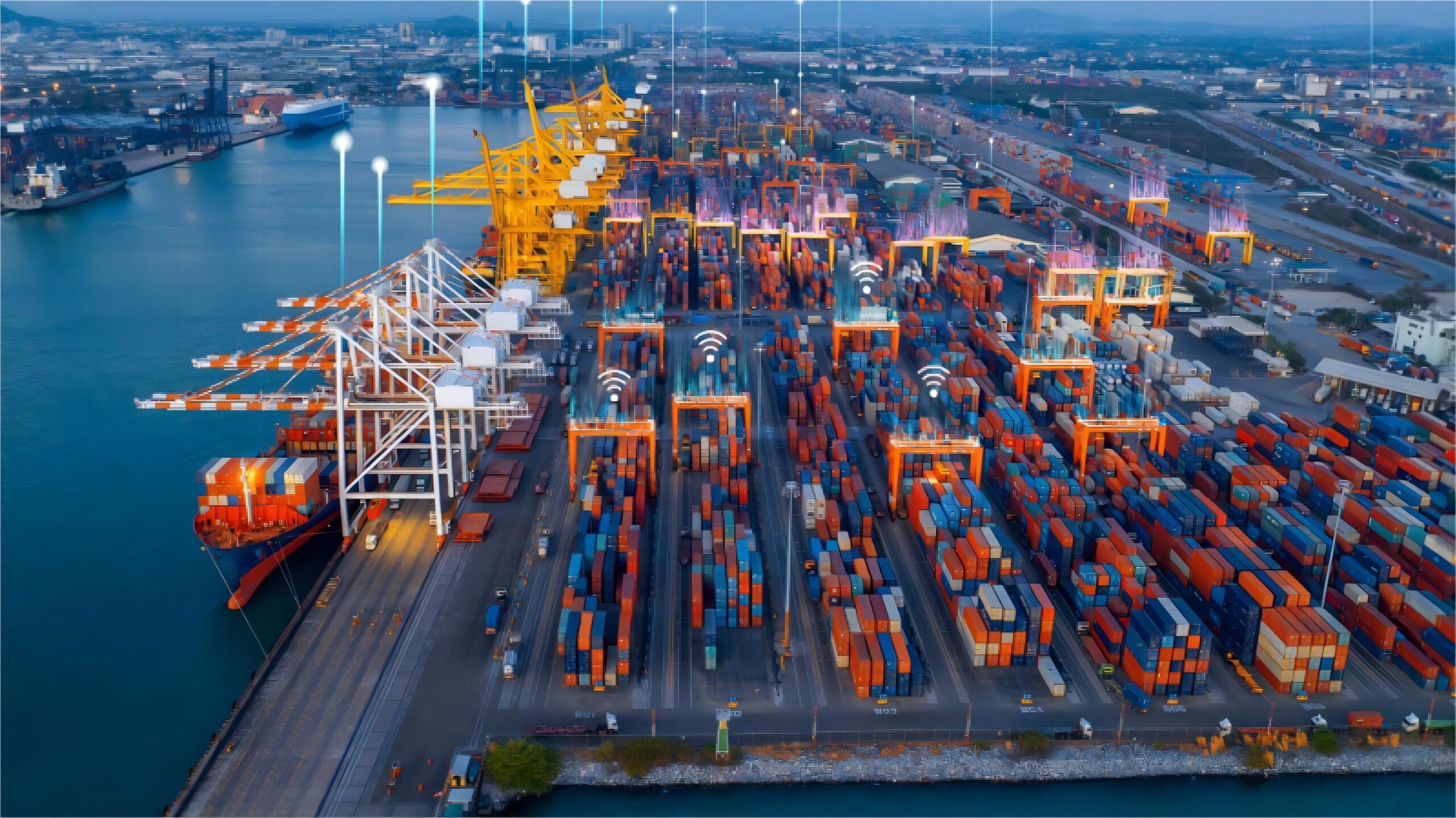
Choosing sea freight remains the most economical choice for massive bulk orders that do not require immediate delivery. While air freight offers speed, the cost difference for heavy cargo is often insurmountable for low-margin products. In contrast, ocean transport provides the capacity needed for oversized items and high-volume inventory that would be cost-prohibitive via other modes.
Market data from early 2026 suggests that sea freight rates have stabilized, making it a predictable option for long-term supply chain planning. However, shippers must account for longer transit times and potential port congestion at major hubs like Los Angeles or Rotterdam. Nevertheless, the ability to utilize Full Container Load (FCL) shipping provides a level of security and efficiency that is unmatched for bulk movements.
| Shipping Method | Cost Range (USD) | Transit Time | Best For |
|---|---|---|---|
| Sea Freight (FCL) | $1,800 – $4,500 | 14 – 38 Days | Maximum volume and lowest cost |
| Air Freight | $5,000 – $15,000 | 3 – 7 Days | Urgent or high-value bulk goods |
| Rail Freight | $2,500 – $4,800 | 18 – 25 Days | Mid-range budget for Europe routes |
| Express Service | $8,000 – $20,000 | 2 – 5 Days | Small bulk or urgent samples |
Why Should You Consider Air Freight for Urgent Bulk Shipments?
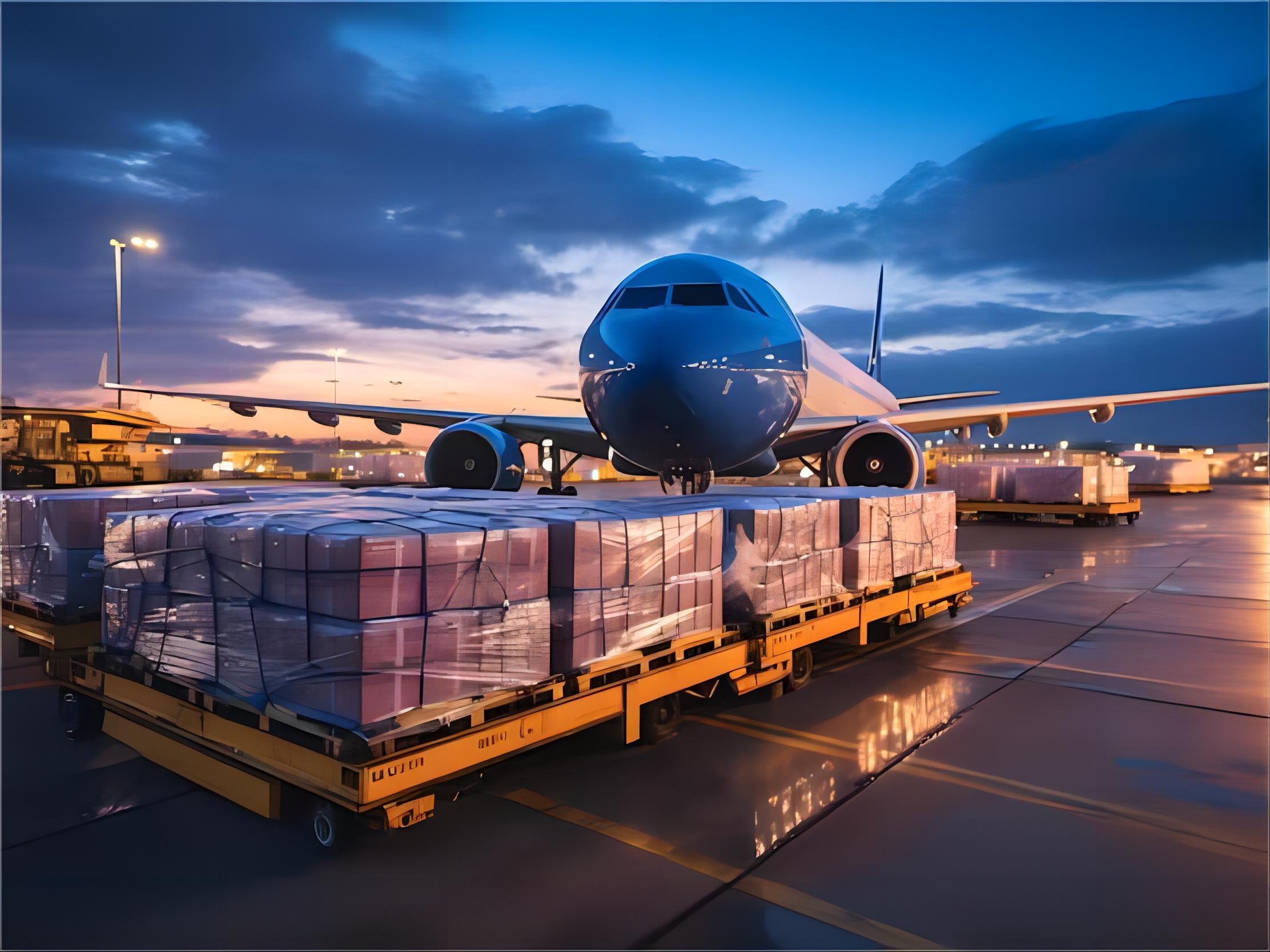
Urgent inventory requirements sometimes necessitate the use of air freight despite the higher initial investment. For instance, if a product launch is approaching or a stockout is imminent, the speed of air transport can save a business from losing significant revenue. Furthermore, air shipping reduces the time capital is tied up in transit, which can improve overall cash flow for fast-moving goods.
Security measures at airports are generally more stringent than at seaports, providing an extra layer of protection for valuable bulk orders. Consequently, high-tech electronics or luxury items are frequently moved via air to minimize the risk of theft or damage during long voyages. Although the cost is higher, the reduced need for extensive protective packaging can sometimes offset a portion of the freight expense.
Which Option Should You Choose for Your Bulk Cargo?
Decision making depends heavily on your specific budget priorities and the nature of the products you are importing. If your primary goal is cost minimization, sea freight is the undisputed winner for almost every china supplier freight forwarding bulk order. On the other hand, if you are shipping perishable goods or time-sensitive fashion items, the speed of air or express services becomes essential.
Volume thresholds also play a critical role in determining the most efficient shipping method for your business. For shipments exceeding 15 cubic meters, FCL sea freight usually offers the best value compared to Less than Container Load (LCL) or air options. Meanwhile, hybrid solutions like sea-air combinations are gaining popularity in 2026 as a way to balance cost and speed for mid-priority cargo.
How to Manage Customs Brokerage for Large Orders?
Navigating the complexities of customs brokerage is a vital component of any successful bulk order strategy. Because large shipments attract more scrutiny from customs officials, ensuring every piece of documentation is accurate is non-negotiable. Therefore, partnering with an experienced broker helps prevent costly delays and potential fines that can arise from misclassified goods.
Documentation requirements vary by country, but most jurisdictions require a standard set of forms for bulk imports. For example, you must provide a detailed commercial invoice, a comprehensive packing list, and a valid bill of lading to clear your goods. Indeed, missing even a single signature can result in your container being held at the port for weeks, incurring significant demurrage charges.
| Document Name | Purpose | Requirement | Importance |
|---|---|---|---|
| Bill of Lading | Contract of carriage | Mandatory | Critical |
| Commercial Invoice | Value declaration | Mandatory | Critical |
| Packing List | Content details | Mandatory | High |
| Certificate of Origin | Trade agreement proof | Conditional | Medium |
What are the Most Effective Alternative Shipping Strategies?
Strategic importers often look beyond traditional port-to-port shipping to find more efficient routes for their bulk orders. One popular alternative is the door to door service model, which handles everything from the factory floor to your final warehouse. This approach eliminates the need for the importer to manage multiple logistics providers, significantly reducing administrative overhead.
Implementing a multi-modal strategy can also provide flexibility when traditional routes face disruptions or congestion. For instance, shipping goods from China to a hub like Dubai via sea and then flying them to Europe can save 15 days compared to a full sea voyage. Moreover, utilizing rail freight for trans-Eurasian routes offers a middle ground that is faster than sea but much cheaper than air.
Consolidating orders from multiple suppliers into a single FCL container is another powerful cost-saving tactic. Instead of paying for several LCL shipments, you can have a freight forwarder gather goods at a central warehouse in China. Consequently, you benefit from the lower FCL rates and reduced handling risks associated with full container shipments.
Real-World Case Studies for Bulk Order Success
Case Study 1: Electronics Distribution to North America. Route: Shenzhen, China to Los Angeles, USA. Cargo: Consumer electronics, 65 CBM, 12,000 kg. Container: 2 x 40HQ. Shipping Details: Direct sea freight via major carrier. Cost Breakdown: Ocean freight $7,200, Origin charges $600, Destination charges $950, Total landed cost $8,750. Timeline: 22 days door-to-door. Key Insight: Booking 3 weeks in advance secured a 15% discount on 2026 peak season rates.
Case Study 2: Furniture Retailer in Europe. Route: Ningbo, China to Hamburg, Germany. Cargo: Flat-pack furniture, 28 CBM, 8,500 kg. Container: 1 x 40GP. Shipping Details: Sea freight via Suez Canal. Cost Breakdown: Ocean freight $3,400, Customs and duties $1,200, Inland trucking $550, Total landed cost $5,150. Timeline: 34 days. Key Insight: Using a customs broker prevented a 5-day delay regarding wood packaging certification.
Case Study 3: Solar Panel Project in Australia. Route: Shanghai, China to Sydney, Australia. Cargo: Photovoltaic modules, 55 CBM, 15,000 kg. Container: 2 x 20GP. Shipping Details: Direct sea transit. Cost Breakdown: Ocean freight $2,400, Port charges $800, Insurance $300, Total landed cost $3,500. Timeline: 16 days. Key Insight: Optimized loading patterns allowed for 10% more product per container, reducing the overall freight cost per watt.
How to Optimize Your Supply Chain for 2026?
Digital transformation is no longer optional for companies managing a china supplier freight forwarding bulk order in 2026. Utilizing real-time tracking platforms allows you to monitor your inventory as it moves across the globe, providing better data for inventory planning. Furthermore, automated documentation systems reduce the likelihood of human error, which is the leading cause of customs delays.
Building strong relationships with your Chinese suppliers and freight forwarders creates a more resilient supply chain. When disruptions occur, these partnerships often mean the difference between getting your cargo on the next available vessel or waiting for weeks. Additionally, diversifying your port of entry can help you bypass localized strikes or congestion that might otherwise paralyze your distribution network.
Final Thoughts on Bulk Shipping from China
Mastering the china supplier freight forwarding bulk order process is a continuous journey of optimization and strategic planning. By selecting the right shipping methods and maintaining accurate documentation, you can significantly enhance your business’s operational efficiency. Remember that the lowest price is not always the best value if it comes at the expense of reliability or transparency.
As we move through 2026, staying informed about market trends and regulatory changes will remain crucial for international traders. Partnering with a dedicated logistics provider ensures that you have the expertise needed to navigate any challenges that arise. Start optimizing your bulk shipments today to secure your competitive advantage in the global marketplace.
Freight rates are subject to change based on fuel costs, carrier capacity, and seasonal demand. Contact us for a current quote tailored to your specific shipment.

Start Your Shipment
Streamline your china supplier freight forwarding bulk order today by partnering with industry experts who understand the 2026 logistics landscape. Contact our team to receive a personalized quote and discover how we can reduce your shipping costs while improving delivery reliability. Visit our website to start your inquiry and take control of your international supply chain.
Request Quote