China to Canada Import Logistics Custom Clearance Guide 2026
“Shipping goods across the Pacific requires a strategic approach to manage costs and timelines effectively in the current trade environment. China Trans Link provides comprehensive support for businesses navigating the complex landscape of international trade and global supply chains. This guide explores the essential components of China to Canada import logistics custom clearance to streamline your operations and maximize efficiency for your 2026 shipments.”
How Does Sea Freight Compare to Other Shipping Options?
❖Choosing the right transport mode is the most critical decision for any importer focused on the China to Canada route. While many businesses default to traditional methods, the 2026 market offers a variety of specialized services tailored to different cargo types. Most large-volume importers prioritize sea freight because it offers the most competitive rates for bulky or heavy items. However, the trade-off involves longer transit times and potential port congestion at major Canadian gateways.
Moreover, sea freight allows for two primary configurations known as Full Container Load (FCL) and Less than Container Load (LCL). Specifically, FCL provides exclusive use of a container, which typically reduces handling risks and speeds up the unloading process upon arrival. In contrast, LCL involves sharing container space with other shippers, making it an ideal choice for smaller inventories that do not justify a full unit. Consequently, companies must weigh the cost savings of LCL against the slightly longer processing times required for consolidation and deconsolidation.
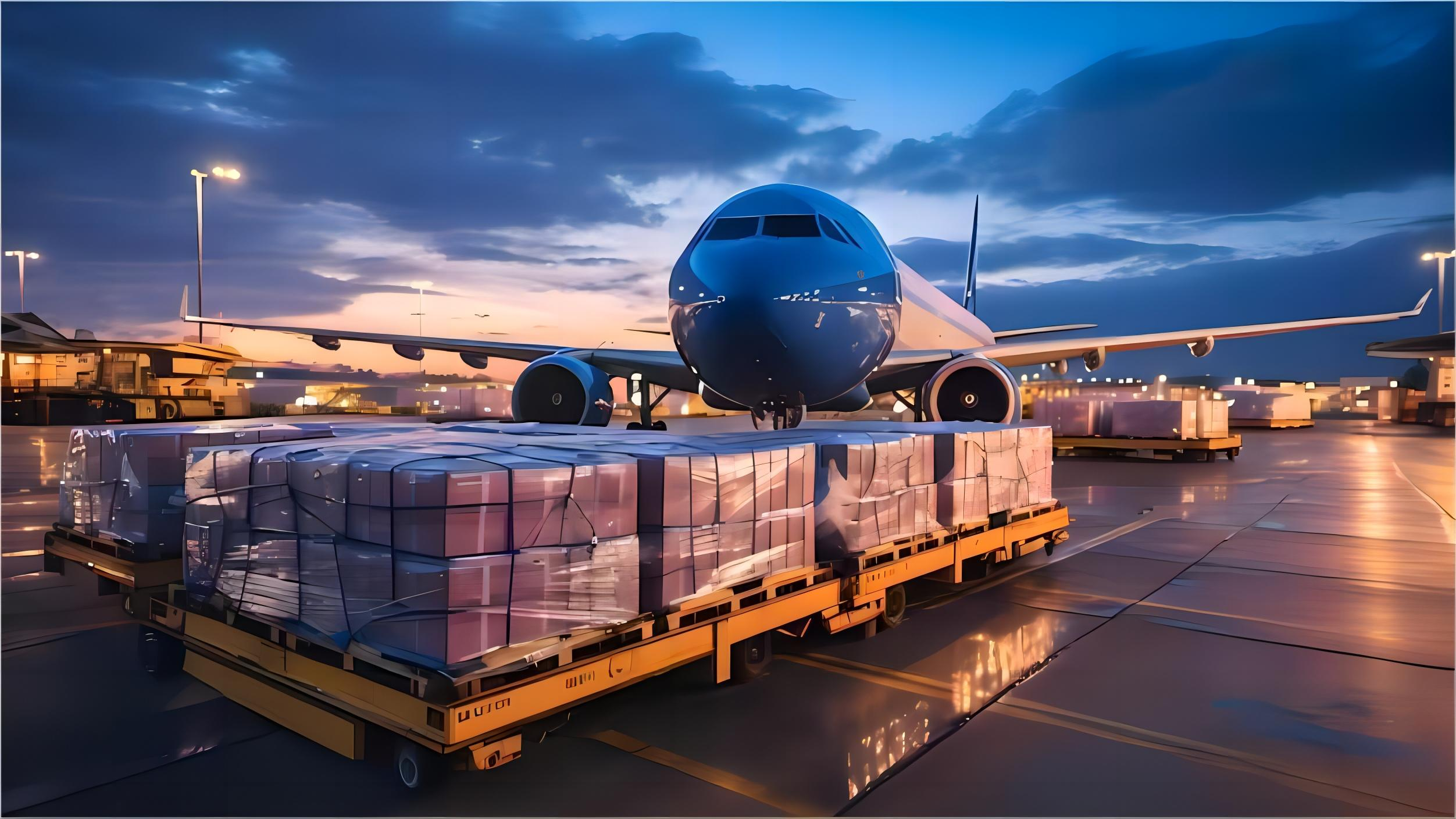
Alternative strategies like air freight or hybrid sea-air solutions have gained popularity as supply chain demands evolve. For instance, high-value electronics or urgent fashion inventory often move via air to avoid the three-week ocean journey. Although the cost per kilogram is significantly higher, the reduction in inventory carrying costs can justify the expense for specific business models. Additionally, some logistics providers now offer expedited sea services that utilize dedicated berths to bypass standard wait times at Vancouver or Prince Rupert ports.
| Shipping Method | Cost Range (USD) | Transit Time | Best For |
|---|---|---|---|
| Sea Freight (FCL) | USD 2,900 – 4,500 | 18-35 Days | Large volumes and heavy machinery |
| Sea Freight (LCL) | USD 80 – 150 per CBM | 25-40 Days | Small shipments and startups |
| Air Freight | USD 4.50 – 9.00 per kg | 3-7 Days | High-value or urgent cargo |
| Express Service | USD 9.00 – 15.00 per kg | 2-5 Days | Samples and critical documents |
Navigating China to Canada Import Logistics Custom Clearance
❖Customs clearance represents the most complex hurdle in the international shipping process due to strict Canadian Border Services Agency (CBSA) regulations. Successfully managing customs brokerage requirements ensures that your goods reach their destination without costly delays or penalties. Furthermore, the 2026 regulatory environment requires digital-first documentation and precise Harmonized System (HS) code classification for all incoming cargo. Importers must remain diligent in verifying that every piece of paperwork aligns with the actual physical contents of the shipment.
Transitioning through customs involves several mandatory steps, starting with the submission of the Cargo Control Document (CCD). Following this, the importer or their broker must provide a detailed Commercial Invoice and a Packing List that specifies the weight, dimensions, and value of the goods. Additionally, a Canada Customs Invoice (CCI) is often required for shipments valued over 2,500 Canadian dollars. If these documents contain even minor errors, CBSA officials may flag the shipment for a secondary inspection, which adds both time and expense to the logistics chain.
Indeed, understanding the various duties and taxes is essential for calculating the total landed cost of your products. Most imports from China are subject to the Goods and Services Tax (GST) at a rate of five percent, calculated based on the duty-paid value of the items. Meanwhile, specific product categories may attract additional anti-dumping duties or surcharges depending on current trade agreements. Therefore, consulting with a professional logistics partner is the best way to identify potential cost-saving exemptions or preferential tariff treatments available in 2026.

Shipping Methods and Service Selection for Canadian Markets
❖Selecting the appropriate service level depends heavily on your final destination within Canada and your required delivery speed. Many western Canadian businesses utilize the Port of Vancouver as their primary entry point because it offers the shortest ocean transit time from major Chinese hubs like Shanghai or Ningbo. On the other hand, companies located in Ontario or Quebec often choose between rail-intermodal services from the West Coast or direct sea routes to Montreal. Using a door to door service can simplify this entire process by consolidating all transport legs into a single contract.
Furthermore, the rise of e-commerce has led to a surge in demand for specialized fulfillment logistics. For instance, many sellers now rely on Amazon FBA shipping solutions to move inventory directly from Chinese factories to Canadian fulfillment centers. This approach requires strict adherence to Amazon packaging and labeling standards to avoid rejection at the warehouse dock. Consequently, partnering with a forwarder who understands both international freight and local last-mile delivery is a significant advantage in the competitive Canadian retail market.
Air freight remains the premier choice for time-sensitive deliveries despite the higher price point. If you are shipping from China to Canada and need to replenish stock within a week, air freight provides the necessary speed to maintain market share. In 2026, air cargo rates have seen increased stability, though peak season surcharges still apply during the late Q3 and Q4 periods. Without a doubt, a balanced logistics strategy often incorporates a mix of sea and air transport to manage both budget and inventory flow effectively.
Understanding Shipping Costs and Transit Times in 2026
❖Current market data suggests that freight rates from China to Canada have reached a new equilibrium following the infrastructure investments of 2025. Specifically, ocean freight for a 40HQ container from Shenzhen to Vancouver typically ranges between USD 2,900 and USD 3,800 depending on the carrier and season. Meanwhile, shipping to Toronto or Montreal via intermodal rail adds approximately USD 1,200 to USD 1,800 to the total cost. Importers should also budget for local terminal handling charges (THC) and documentation fees which generally total around USD 300 to USD 500 per shipment.
Transit times have also seen improvements due to enhanced port automation across the Canadian West Coast. A direct sea voyage from Shanghai to Vancouver now takes approximately 18 to 22 days, while transit to the East Coast via the Panama Canal can take 30 to 38 days. Furthermore, air freight transit times remain consistent at 3 to 5 days for standard service and 2 to 3 days for express options. Nevertheless, shippers must account for an additional 3 to 7 days for inland trucking and customs processing at the final destination.
Note: Freight rates are subject to change based on fuel costs, carrier capacity, and seasonal demand. Contact us for a current quote tailored to your specific shipment. Industry benchmarks indicate that booking at least 3 to 4 weeks in advance is the most effective way to secure lower rates during peak periods. Additionally, choosing off-peak sailing dates can sometimes result in savings of 10 to 15 percent on the ocean freight component.
| Route (China to Canada) | Sea Transit (Days) | Air Transit (Days) | Average FCL Cost |
|---|---|---|---|
| Shenzhen to Vancouver | 18-22 | 3-5 | USD 3,100 |
| Ningbo to Toronto | 28-35 | 4-6 | USD 4,800 |
| Shanghai to Montreal | 32-40 | 4-6 | USD 5,200 |
| Qingdao to Calgary | 25-30 | 5-7 | USD 4,200 |
Realistic Case Studies: China to Canada Logistics
❖Case Study 1: Electronics Distribution to Toronto. Route: Shenzhen, China to Toronto, Canada. Cargo: Consumer electronics, 18 CBM, 4,200 kg. Method: LCL Sea Freight with Intermodal Rail. Ocean Freight: USD 1,650. Origin/Destination Charges: USD 780. Customs and Duties: USD 1,200. Total Landed Cost: USD 3,630. Timeline: 32 days door-to-door. Key Insight: Utilizing LCL saved the client over USD 1,500 compared to a half-empty 20GP container.
Case Study 2: Furniture Retailer FCL Shipment. Route: Ningbo, China to Vancouver, Canada. Cargo: Home furniture, 1x40HQ container. Method: FCL Sea Freight. Ocean Freight: USD 3,400. Origin/Destination Charges: USD 650. Customs and Duties: USD 2,100. Total Landed Cost: USD 6,150. Timeline: 24 days door-to-door. Key Insight: Early booking during the Q1 2026 slack season allowed the importer to lock in a rate 20 percent below the annual average.
Case Study 3: Urgent Apparel Restock. Route: Shanghai, China to Montreal, Canada. Cargo: Seasonal clothing, 650 kg. Method: Air Freight. Air Freight Cost: USD 4,225. Customs and Handling: USD 450. Total Landed Cost: USD 4,675. Timeline: 5 days door-to-door. Key Insight: Although the cost was higher, the speed allowed the retailer to meet a peak sales window that would have been missed by sea freight.
Which Option Should You Choose?
❖Deciding on the best logistics strategy requires a clear understanding of your business priorities and cargo characteristics. If your primary goal is cost minimization and you have flexible timelines, sea freight remains the undisputed leader for China to Canada routes. Specifically, for any shipment larger than 15 cubic meters, a 20GP container usually provides the best value. Conversely, if you are moving perishable goods or high-tech components, the speed and security of air freight are worth the additional investment.
Importers should also consider the complexity of their internal logistics capabilities when choosing a service level. For instance, a small business might prefer a comprehensive DDP (Delivered Duty Paid) service to avoid dealing with the intricacies of customs clearance and local trucking. In contrast, larger corporations with established warehouse teams may opt for Port-to-Port shipping to maintain greater control over their final mile delivery. Ultimately, the best choice often involves a consultative approach with an experienced freight forwarder who can analyze your specific supply chain needs.
Mastering Your Canadian Import Strategy
To summarize, successful China to Canada import logistics custom clearance depends on thorough preparation and the selection of the right transport partners. By understanding the nuances of sea and air freight, and staying informed about 2026 customs regulations, you can significantly reduce your shipping risks. Remember that the cheapest option is not always the most efficient if it leads to stockouts or customs penalties.
As the global trade landscape continues to evolve, maintaining a flexible and data-driven logistics approach will be your greatest competitive advantage. Whether you are shipping large industrial equipment or small e-commerce parcels, the principles of clear documentation and strategic routing remain the same. Start planning your next shipment today to ensure your goods move smoothly across the Pacific.
Ready to streamline your logistics?
Streamline your China to Canada import logistics custom clearance today by partnering with the experts at China Trans Link. Our dedicated team is ready to provide you with a competitive quote and a customized shipping strategy for 2026. Visit our website to start your inquiry and experience hassle-free international trade.