
China to Germany Air Cargo Bulk Order: 2026 Logistics Guide
Managing a china to germany air cargo bulk order requires a sophisticated understanding of international logistics and supply chain dynamics. Businesses often face challenges with fluctuating freight rates and complex customs regulations when moving large volumes of goods across continents. To ensure your inventory arrives safely and on schedule, partnering with an expert like China Trans Link is essential for navigating the current market. This guide provides comprehensive insights into optimizing your bulk air shipments for the 2026 fiscal year.

How Does Air Freight for Bulk Orders Work?
Air freight remains the premier choice for companies needing to transport high-value or time-sensitive bulk orders from manufacturing hubs in China to European markets. Specifically, the process involves consolidating large quantities of goods into Unit Load Devices (ULDs) to maximize space within the aircraft hull. Consequently, shippers can benefit from lower per-kilogram costs when they commit to higher volume thresholds.
Choosing air freight allows businesses to maintain lean inventory levels by significantly reducing the lead time between production and retail availability. Furthermore, modern logistics platforms now offer real-time tracking for bulk shipments, providing transparency throughout the entire journey. This visibility is crucial for managing modern supply chains that rely on just-in-time delivery models.
The Consolidation Process for Bulk Cargo
Consolidation is a vital strategy for reducing the overall expense of a china to germany air cargo bulk order. By grouping multiple smaller shipments into a single large lot, freight forwarders can secure better rates from major airlines. Additionally, this method improves handling efficiency and reduces the risk of individual package loss during transit.
Why Choose Air Cargo for China to Germany Shipments?
Speed is undoubtedly the primary advantage when selecting air transport for your bulk logistics needs. While other methods might take weeks, air cargo typically reaches German hubs like Frankfurt or Munich within a matter of days. Moreover, the enhanced security protocols at airports minimize the risk of theft or damage compared to other modes of transport.
Reliability in scheduling represents another significant factor for European importers who must meet strict seasonal deadlines. Airlines operate on fixed schedules that are less susceptible to the long-term delays often seen in maritime shipping. Therefore, using air cargo ensures that your promotional launches and inventory restocks happen exactly when planned.
Understanding Air Freight Rates for Bulk Orders in 2026
Market data suggests that air freight rates from China to Germany have stabilized in early 2026 following the volatility of previous years. Currently, bulk shippers can expect to pay between 4.50 and 8.00 USD per kilogram, depending on the specific weight and volume of the cargo. However, these prices are subject to change based on fuel surcharges and seasonal demand spikes.
Weight-based pricing tiers often provide significant discounts for shipments exceeding 1,000 kilograms. Indeed, the more you ship at once, the lower your average cost per unit becomes. Logistics managers should carefully calculate the chargeable weight, which considers both the actual weight and the volumetric size of the boxes.
| Weight Tier | Estimated Rate (USD/kg) | Typical Transit Time | Service Level |
|---|---|---|---|
| 500kg – 1000kg | 7.20 – 8.50 | 5-7 Days | Standard Air |
| 1001kg – 3000kg | 6.00 – 7.10 | 4-6 Days | Bulk Priority |
| 3000kg+ | 4.50 – 5.80 | 3-5 Days | Charter/Deferred |
How Does Air Cargo Compare to Other Shipping Options?
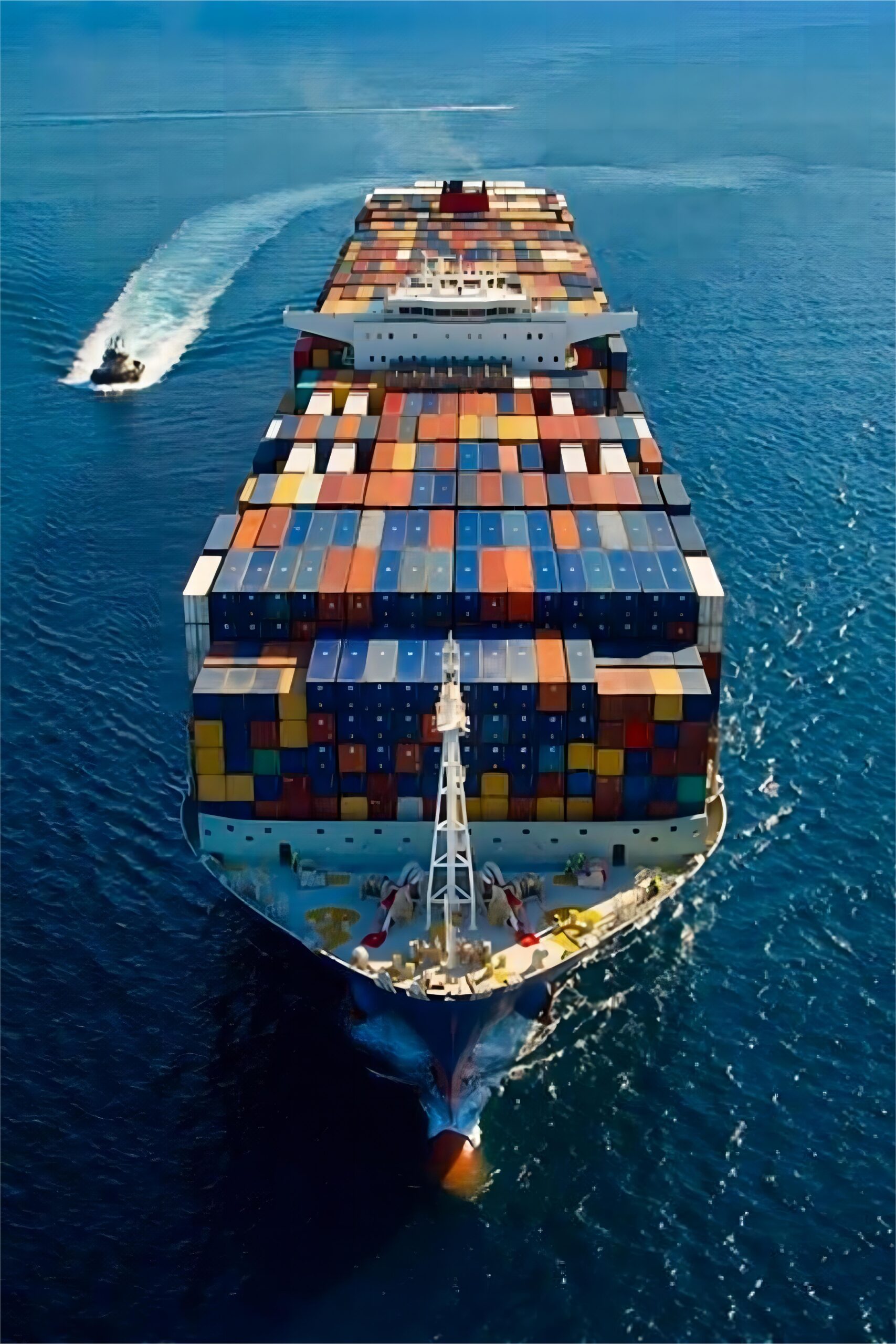
Analyzing the trade-offs between different transport modes is essential for effective budget allocation. While sea freight offers the lowest possible cost for massive volumes, it cannot compete with the speed of air travel. For instance, a container ship may take 35 days to reach Hamburg, whereas a plane arrives in less than a week.
Alternatively, rail freight serves as a middle ground, offering faster transit than the sea at a lower price than the air. Nevertheless, for high-density electronics or fashion items, the rapid turnover provided by air cargo often justifies the higher initial investment. Businesses must weigh the cost of capital tied up in transit against the direct shipping fees.
| Shipping Method | Cost Range (Bulk) | Transit Time | Best For |
|---|---|---|---|
| Air Freight | High ($5-8/kg) | 3-7 Days | High-value/Urgent |
| Sea Freight | Low ($0.5-1/kg) | 30-40 Days | Large/Heavy Goods |
| Rail Freight | Medium ($1.5-3/kg) | 15-22 Days | Steady Supply |
Which Option Should You Choose?
Decision-making should be guided by your specific business priorities and the nature of your products. If your priority is budget and you are shipping non-perishable goods, sea freight is the logical choice. On the other hand, if you are responding to a sudden market trend or replenishing stock for a peak season, air cargo is indispensable.
Cargo type also plays a major role in this selection process. Fragile components or temperature-sensitive pharmaceuticals often require the controlled environment and smooth handling found in air transport. Consequently, the choice often comes down to a balance between the urgency of the delivery and the total landed cost of the goods.
Essential Documentation for German Customs Clearance
Navigating the regulatory landscape in Germany requires meticulous attention to detail and accurate paperwork. Every china to germany air cargo bulk order must be accompanied by a commercial invoice, a detailed packing list, and an Air Waybill (AWB). Furthermore, importers must ensure they have a valid EORI number to facilitate the entry of goods into the European Union.
Utilizing professional customs brokerage services can prevent costly delays at the border. These experts understand the specific HS codes required for different product categories and can help calculate VAT and import duties accurately. Without a doubt, proper documentation is the foundation of a successful international shipping strategy.
Real Case Studies: Bulk Air Cargo Shipments to Germany
Case Study 1: High-Tech Components from Shenzhen to Frankfurt. A major electronics retailer needed 5,000kg of semiconductor parts delivered urgently to meet a production deadline. By using a direct air charter service, the shipment arrived in just 3 days. Total landed cost was approximately 35,000 USD, but the quick delivery prevented a factory shutdown worth millions.
Case Study 2: Automotive Parts from Shanghai to Munich. An auto manufacturer imported 2,500kg of specialized sensors. Using a deferred air service, they balanced cost and speed, achieving a 5-day transit time. The total shipping cost was 16,250 USD, including all origin and destination charges. This strategic move allowed them to maintain a lean supply chain without the risks of long sea transits.
Strategies for Reducing Bulk Air Freight Costs
Optimizing your packaging can lead to significant savings on your china to germany air cargo bulk order. Because air freight is often billed based on volumetric weight, reducing the size of your boxes without compromising safety is vital. Additionally, scheduling your shipments during off-peak periods can help you secure more competitive rates from carriers.
Implementing a door to door service model can also streamline costs by eliminating middleman fees. This integrated approach ensures that one provider handles everything from the factory floor in China to the warehouse in Germany. As a result, you gain better control over the logistics chain and reduce the likelihood of unexpected administrative expenses.
Finalizing Your Bulk Shipping Strategy
To summarize, successfully executing a china to germany air cargo bulk order involves balancing speed, cost, and regulatory compliance. By understanding the 2026 market trends and utilizing the right logistics tools, you can ensure your business remains competitive in the global marketplace. Whether you are shipping electronics, automotive parts, or consumer goods, air freight provides the reliability needed for modern commerce.
Freight rates are subject to change based on fuel costs, carrier capacity, and seasonal demand. Contact us for a current quote tailored to your specific shipment.
Ready to streamline your logistics?
Ready to streamline your china to germany air cargo bulk order for the 2026 season? Contact our team of logistics experts today for a customized quote and experience the efficiency of professional freight management.
Request Quote